 English




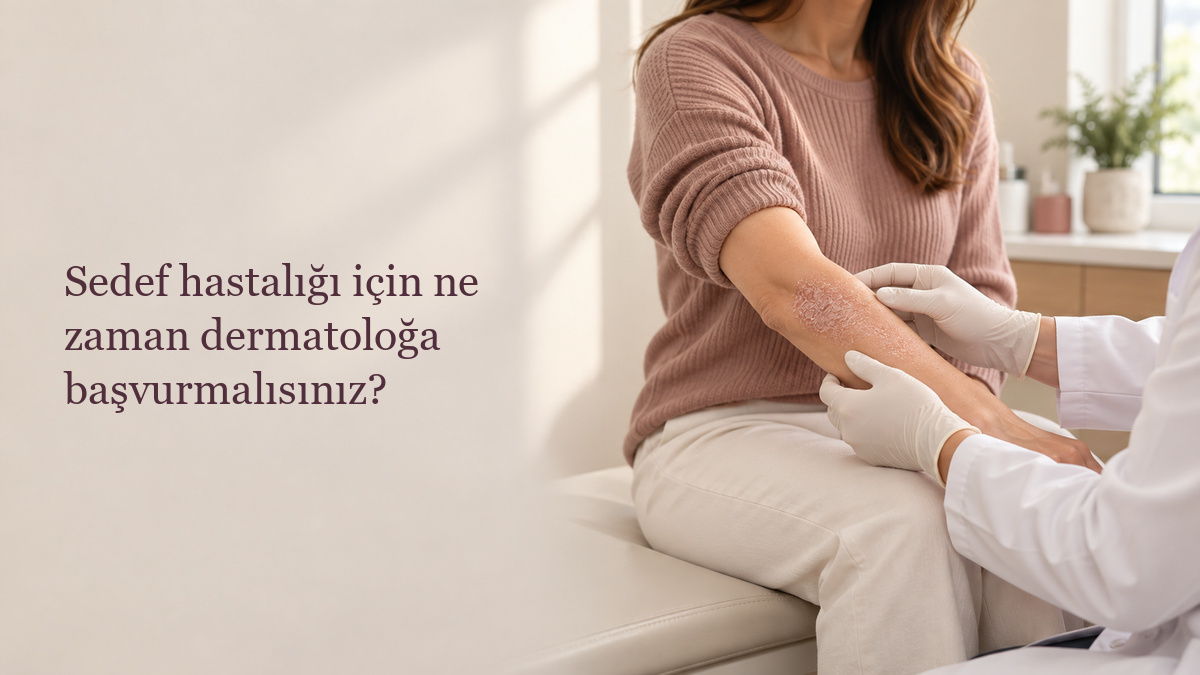
Table of Contents
- What Is Psoriasis?
- What Are the Symptoms of Psoriasis?
- What Causes Psoriasis?
- What Are the Types of Psoriasis?
- When Should You See a Dermatologist About Psoriasis?
- What Is Psoriatic Arthritis and Why Is It Important?
- How Is Psoriasis Diagnosed?
- What Are the Treatment Options for Psoriasis?
- What Are the Home Care and Lifestyle Recommendations for Psoriasis?
- How Does Psoriasis Affect People Socially and Psychologically?
- What Diseases Can Be Seen Together with Psoriasis?
- What Is the Difference Between Psoriasis and Nail Fungus?
- How Can Psoriasis Flare-Ups Be Prevented?
- How Do You Choose the Right Dermatologist for Psoriasis?
- What Are the Special Recommendations for the Scalp and Skin Fold Areas in Psoriasis?
- Why Are Check-Ups and Follow-Up Important in Psoriasis Treatment?
- Frequently Asked Questions
What Is Psoriasis?
Psoriasis is a chronic, non-contagious skin disease in which skin cells renew much faster than normal as a result of an overactive immune system. It appears on the skin as red, thickened plaques covered with silvery-white scales. The elbows, knees, scalp, lower back and nails are the most commonly affected areas.
The disease follows periods of flare-up and remission. There is currently no treatment that cures it completely; however, with the right treatment the symptoms can be largely controlled and quality of life improved.
What Are the Symptoms of Psoriasis?
The most typical sign is well-defined plaques with silvery scales on a red base. Itching, burning, dryness and cracking may accompany them. Psoriasis on the scalp can resemble dandruff, but is distinguished by thicker scales and redness.
Pitting of the nails, color change, thickening and separation of the nail from the nail bed may be seen. Because these findings can be confused with nail fungus, a dermatologist's evaluation is needed.
What Causes Psoriasis?
Genetic predisposition and immune system dysregulation are the basic causes. Stress, infections (especially throat infections), skin injuries, some medications, smoking, excessive alcohol and obesity can trigger or aggravate the disease.
Recognizing triggers and eliminating them as far as possible helps reduce flare-ups. However, psoriasis is not the patient's "fault"; it has nothing to do with hygiene and is not contagious.
What Are the Types of Psoriasis?
Plaque type is the most common. In guttate type, small drop-shaped lesions usually appear after an infection. In inverse type, bright red patches are seen in skin folds such as the underarms and groin. Pustular and erythrodermic types are rare and serious forms and may require urgent medical evaluation.
The type and extent directly affect the choice of treatment. A dermatologist's examination is therefore always needed when psoriasis is suspected.
When Should You See a Dermatologist About Psoriasis?
You should see a dermatologist if you have scaly, red plaques on the skin that have not gone away for a long time; if you notice pitting or damage in the nails; if you have dandruff-like but persistent scaling on your scalp; or if the symptoms are spreading or affecting daily life.
If joint pain, morning stiffness, swelling in the fingers ("sausage finger") or back pain accompanies it, an evaluation should be had without delay because it may be psoriatic arthritis. Widespread redness, fever and chills require urgent attention.
What Is Psoriatic Arthritis and Why Is It Important?
Psoriatic arthritis, which affects the joints, can develop in some people with psoriasis. Joint pain, swelling, morning stiffness and limited movement are its symptoms. If untreated it can lead to permanent joint damage.
For this reason, joint symptoms are asked about in people with psoriasis and, if needed, referral to a rheumatology specialist is made. Early diagnosis and treatment reduce joint damage.
How Is Psoriasis Diagnosed?
Diagnosis is mostly made by examining the skin and nails. In unclear cases a skin biopsy may be done. Microscopic examination or culture may be requested to distinguish it from similar diseases such as fungal infection, eczema and seborrheic dermatitis.
For the treatment plan, the extent of the disease, the affected areas, joint involvement and the effect on quality of life are evaluated.
What Are the Treatment Options for Psoriasis?
In mild cases topical treatments (corticosteroid creams, vitamin D derivatives, calcineurin inhibitors) are used. In moderate to severe cases, light therapy (phototherapy) and systemic drugs (for example methotrexate, cyclosporine, acitretin) come into play. Biologic and targeted drugs provide high effectiveness in selected cases.
The choice of treatment is individual; all of these drugs must be used under a doctor's supervision, with their side effects and follow-up requirements. Using medications or supplements on your own is risky.
What Are the Home Care and Lifestyle Recommendations for Psoriasis?
Moisturizing the skin, using lukewarm water and a gentle cleanser, not scratching when itchy, avoiding skin injuries, staying away from smoking and limiting alcohol are helpful. Weight control and balanced nutrition can also have a positive effect on the course of the disease.
Stress management, regular sleep and exercise may help reduce the frequency of flare-ups. Moderate and controlled sunlight is good for some patients, but excessive sun can cause burns and flare-ups.
How Does Psoriasis Affect People Socially and Psychologically?
Visible lesions can lead to embarrassment, anxiety and social withdrawal. Depression and anxiety are more common in people with psoriasis. Treatment should therefore target not only the skin but also the person's overall well-being.
It is important to get support, to explain to others that the disease is not contagious and to ask for psychological support when needed.
What Diseases Can Be Seen Together with Psoriasis?
An increased risk of metabolic syndrome, obesity, high blood pressure, diabetes, cardiovascular disease and inflammatory bowel disease has been reported in people with psoriasis. A general health evaluation is therefore also important in psoriasis follow-up.
Regular check-ups, monitoring of blood pressure and blood sugar, healthy nutrition and exercise support both the skin and general health.
What Is the Difference Between Psoriasis and Nail Fungus?
Psoriatic nail changes can resemble a fungal infection. Pitting of the nail, a yellow-brown oil-drop-like color change and separation of the nail from the bed are common in psoriasis. In nail fungus, thickening, brittleness and a bad smell are more prominent.
Microscopic examination or culture may be needed to tell them apart. Wrong diagnosis and wrong treatment can delay recovery.
How Can Psoriasis Flare-Ups Be Prevented?
Knowing your triggers, getting infections treated early, managing stress, keeping the skin moisturized, using medications regularly and not skipping doctor check-ups reduce the risk of flare-ups. Because some drugs (for example beta blockers, lithium) can aggravate psoriasis, the doctor should be told about a history of psoriasis when starting a new medication.
When a flare-up occurs, consulting a doctor instead of trying intense products on your own speeds up bringing the disease under control.
How Do You Choose the Right Dermatologist for Psoriasis?
Psoriasis is a chronic disease and requires long-term follow-up. It is therefore important to choose a dermatologist who gives you reliable information, clearly explains treatment options and risks and is consistent in follow-up. One should be cautious about approaches that promise a "definite and permanent cure".
In the examination by Dermatologist Specialist Dr. Melda Özekinci, the type and extent of psoriasis are evaluated; a personalized treatment plan is created. You can visit our contact page for information.
What Are the Special Recommendations for the Scalp and Skin Fold Areas in Psoriasis?
Psoriasis on the scalp can come with thick scaling and itching. Instead of forcibly scraping off the scales, keratolytic (scale-softening) shampoos or solutions recommended by the doctor should be used. Constant scratching in scalp treatment can trigger new lesions (Koebner phenomenon).
In skin fold areas such as the underarms, groin and under the breasts, inverse psoriasis can be seen because of sweat and friction. Strong creams can thin the skin in these areas, so they should be used carefully according to the doctor's advice.
Why Are Check-Ups and Follow-Up Important in Psoriasis Treatment?
Because psoriasis treatment is long-term, regular check-ups are necessary to monitor both the effectiveness of treatment and drug side effects. Blood tests are done periodically in patients using systemic drugs. Stopping medications on your own, even when symptoms improve, can lead to a flare-up.
In follow-up, the severity of the disease, quality of life and accompanying diseases are evaluated together. The treatment plan is updated if needed.
Frequently Asked Questions
Is psoriasis contagious?
No. Psoriasis is not contagious; it is not transmitted by touching, shared items or a pool.
Does psoriasis go away completely?
It is a chronic disease and there is no definite treatment that cures it completely; however, the symptoms can be largely controlled with suitable treatment.
Is psoriasis hereditary?
There is a genetic predisposition; however, having psoriasis in the family does not mean everyone will develop the disease.
Does stress affect psoriasis?
Yes. Stress can trigger flare-ups in many people. Stress management supports treatment.
Which foods should be avoided in psoriasis?
There is no definite "psoriasis diet". Balanced nutrition, weight control and limiting alcohol are recommended.





