 English




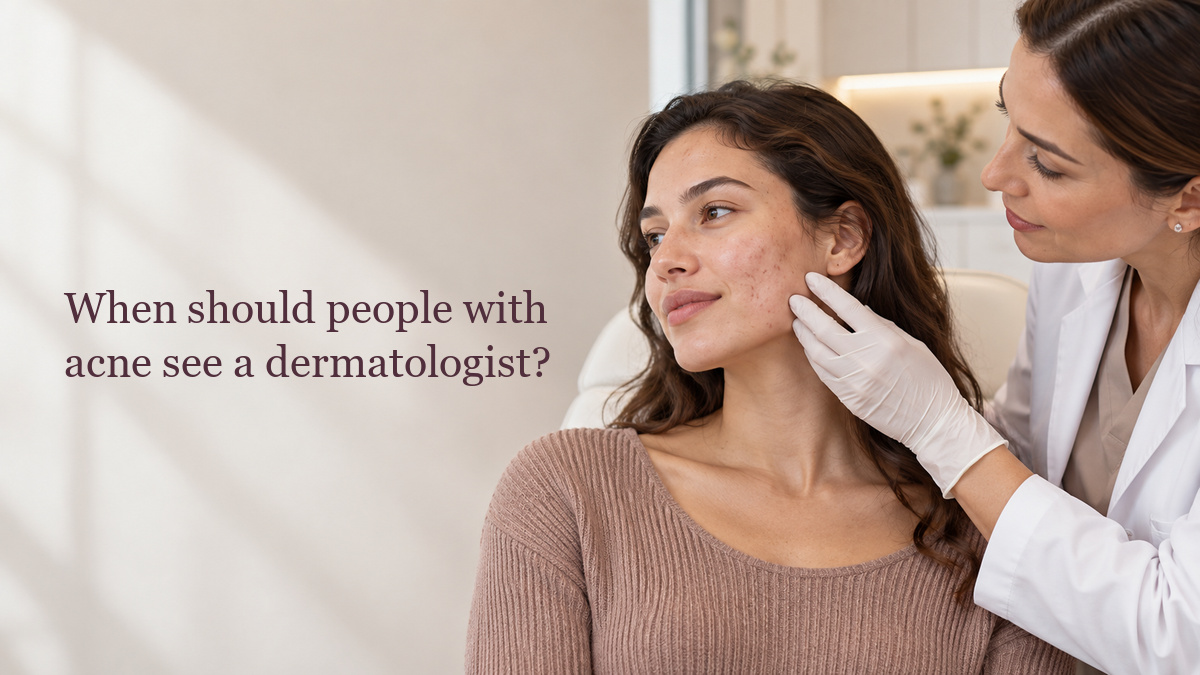
Table of Contents
- What Is Acne?
- What Causes Acne and What Triggers It?
- How Are Acne Types and Severity Classified?
- What Can Be Done at Home for Acne?
- When Should You See a Dermatologist About Acne?
- What Are the Prescription Treatment Options for Acne?
- Do Peels and Lasers Play a Role in Acne Treatment?
- How Are Acne Scars Treated?
- How Long Does Acne Treatment Take?
- What Is the Relationship Between Acne and Nutrition?
- Why Is Acne in Adults Important?
- Acne and Psychological Effects
- What Are Common Mistakes in Acne Treatment?
- How Do You Choose the Right Dermatologist for Acne?
- What Should Be Told to the Doctor Before Starting Acne Treatment?
- How Should Skin Care and Sun Protection Be During Acne Treatment?
- Acne and Makeup Use: What Should Be Considered?
- Frequently Asked Questions
What Is Acne?
Acne (pimples) is a common skin disease caused by blockage and inflammation of the oil glands and hair follicles. It can appear with different lesions such as comedones (blackheads and whiteheads), red bumps, pustules, nodules and cysts. It most often occurs on the face, back and chest.
Acne is not specific to adolescence; it is also common in adults, especially women. It is not caused by poor hygiene; hormones, genetics, oil production, bacteria and inflammation play a role together.
What Causes Acne and What Triggers It?
Hormonal changes (puberty, menstrual period, polycystic ovary syndrome), genetic predisposition, excess oil production, some medications, oily cosmetic products, stress, lack of sleep and, in some people, dairy products and high-glycemic-index foods can play a role in the onset or worsening of acne.
Squeezing pimples, scrubbing the face hard and over-washing increase the risk of inflammation and scarring. Recognizing triggers is useful for the care and treatment plan.
How Are Acne Types and Severity Classified?
Mild acne mostly has comedones and a few inflamed pimples. Moderate acne has more inflamed pimples and papules-pustules. Severe acne carries painful nodules and cysts, widespread inflammation and a risk of scarring.
The severity of acne determines the choice of treatment. While mild acne can be controlled with topical treatments, oral medications are often needed in moderate-severe acne.
What Can Be Done at Home for Acne?
Washing the face twice a day with a gentle, soap-free cleanser and using an oil-free (non-comedogenic) moisturizer and sunscreen is the basic care. Not squeezing pimples, not touching the face with hands and removing makeup at night are important.
Products sold in pharmacies such as benzoyl peroxide, salicylic acid or adapalene can be used in mild acne; however, irritation should be watched for. If there is no clear improvement within a few weeks, a doctor should be consulted.
When Should You See a Dermatologist About Acne?
You should see a dermatologist if pimples are widespread, painful, nodular or cystic; if they leave scars; if they do not improve despite a few weeks of regular care; if they are widespread on the back and chest as well as the face; or if they affect you psychologically. Early treatment markedly reduces the risk of permanent scarring.
If severe acne starts suddenly or comes with irregular periods, excessive hair growth or hair loss, a hormonal cause should also be investigated.
What Are the Prescription Treatment Options for Acne?
Topical retinoids, benzoyl peroxide, azelaic acid and topical antibiotics are used in mild to moderate acne. In moderate-severe acne, oral antibiotics, hormonal treatments in women (for example some birth control pills, spironolactone) and, in severe or resistant acne, isotretinoin are considered.
Isotretinoin is a strong and effective drug; however, it must never be used in pregnancy and requires monitoring with blood tests. No prescription drug should be used without a doctor's supervision.
Do Peels and Lasers Play a Role in Acne Treatment?
Chemical peels (such as salicylic and mandelic acid) can be supportive in comedonal and mildly inflamed acne. Light and laser applications are used in some cases to manage inflammation and scars.
These procedures do not replace the basic treatment of acne; they are planned in addition to medication. In active and widespread inflammatory acne, some methods may need to be paused.
How Are Acne Scars Treated?
Acne scars appear as pitted scars, raised scars and red-brown spots. Treatment options include fractional laser, microneedling, radiofrequency, chemical peels, fillers and subcision. The choice is made according to the type of scar and skin type.
It is recommended to start scar treatment after active acne is under control. Results are gradual and vary from person to person; complete disappearance of scars cannot be guaranteed.
How Long Does Acne Treatment Take?
Acne treatment requires patience. Most medications start to show effect in 6-8 weeks; months may be needed for full control. Temporary worsening (especially with retinoids) may be seen in the first weeks of treatment.
Stopping treatment on your own even when symptoms improve increases the risk of recurrence. Doctor check-ups should be attended regularly.
What Is the Relationship Between Acne and Nutrition?
In some people, high-glycemic-index foods (sugary drinks, white flour products) and dairy products have been linked to worsening of acne. However, there is no definite acne diet valid for everyone.
Balanced nutrition and reducing sugary and processed foods are also beneficial for general health. Avoiding unnecessary restrictive diets and keeping an observation diary is recommended.
Why Is Acne in Adults Important?
Adult acne is a picture associated with hormonal influences, seen especially on the jawline and lower face in women. Stress, the menstrual cycle, polycystic ovary syndrome and some cosmetic products can be triggers.
If hormonal symptoms accompany it (irregular periods, excessive hair growth), a gynecological/endocrine evaluation may be needed. The dermatologist provides guidance on this.
Acne and Psychological Effects
Acne can affect self-confidence, social life and mood. Depression and anxiety are more common in people with acne. Acne treatment should therefore not be seen as limited to the skin.
If you are experiencing emotional distress, share it with your doctor. If needed, psychological support can be part of the treatment process.
What Are Common Mistakes in Acne Treatment?
Squeezing pimples, washing the face too often and too hard, using many products at once, applying unsourced natural mixtures, using prescription drugs irregularly and neglecting sun protection are common mistakes.
The right approach is a simple and consistent care routine together with regularly applying the treatment the doctor recommends.
How Do You Choose the Right Dermatologist for Acne?
Because acne treatment is long-term, it is important to choose a dermatologist who clearly explains treatment options and risks, does follow-up and sets realistic goals. One should be cautious about approaches that promise definite and quick results.
In the examination by Dermatologist Specialist Dr. Melda Özekinci, your acne type and severity are evaluated; a personalized treatment plan is created. You can visit our contact page for information.
What Should Be Told to the Doctor Before Starting Acne Treatment?
Telling the doctor when the acne started, the medications and products you used before, your menstrual pattern, your pregnancy plans, family history of acne, and the cosmetics and supplements you use makes choosing the right treatment easier. Your allergies and other medications you use are also important.
Sharing your expectation of treatment and the point that bothers you most helps personalize the plan.
How Should Skin Care and Sun Protection Be During Acne Treatment?
Acne medications (especially retinoids and some antibiotics) can make the skin sensitive to the sun. It is therefore very important to use an oil-free, broad-spectrum sunscreen every day. Avoiding using skin-drying products together and using a moisturizer reduces irritation.
When starting a new product, it is recommended to test on a small area and not to start more than one active ingredient at the same time.
Acne and Makeup Use: What Should Be Considered?
If makeup is to be worn, oil-free, non-comedogenic products should be chosen and removed thoroughly at night. Makeup brushes and sponges should be washed regularly. Excessive use of concealer to cover pimples can clog pores.
Frequently Asked Questions
Is acne contagious?
No. Acne is not contagious.
Is squeezing a pimple harmful?
Yes. It deepens the inflammation and increases the risk of scarring.
When do acne medications start to work?
The effect usually starts within 6-8 weeks; months may be needed for a full response.
Is isotretinoin safe?
It is an effective treatment when used under a doctor's supervision; however, it is not used in pregnancy and requires monitoring.
Does acne go away in adulthood?
In many people it decreases with age; however, in some people it may continue into adulthood and require treatment.





