 English



Table of Contents
- Who Should Avoid Botox For Safety Reasons
- What Medical Conditions Prevent You From Getting Botox
- Can Pregnant Women Get Botox Treatments
- Is Botox Safe If You Have Skin Infections
- Who Should Not Get Botox With Certain Medications
- What Age Is Too Young For Botox Injections
- Can You Get Botox With Autoimmune Diseases
- Who Should Skip Botox With Neuromuscular Disorders
- What Allergies Make Botox Unsafe For You
- Is Botox Risky With Blood Thinners
- Who Should Avoid Botox With Previous Reactions
- Can You Get Botox With Active Acne
- What Skin Conditions Rule Out Botox Treatment
- Who Should Not Get Botox While Breastfeeding
- Is Botox Safe With Certain Medical Implants
Who Should Avoid Botox For Safety Reasons
Understanding who should avoid Botox treatments is crucial for patient safety and optimal outcomes in aesthetic medicine. Certain medical conditions and circumstances require careful consideration before proceeding with neuromodulator injections. At our Antalya-based clinic, we prioritize comprehensive patient screening to identify potential contraindications and ensure the highest standards of care in medical dermatology.
Patients with neuromuscular disorders such as myasthenia gravis or Lambert-Eaton syndrome should avoid Botox due to potential complications. Similarly, individuals with active skin infections at the injection site must postpone treatment until fully healed. Our dermatology specialist team conducts thorough medical history reviews to identify these red flags during personalized aesthetic planning consultations.
Pregnancy and breastfeeding represent absolute contraindications for Botox, as research on fetal safety remains limited. Patients taking certain medications, particularly blood thinners or aminoglycoside antibiotics, require special consideration and potential treatment modification. Our clinic's advanced dermatological treatments include alternative solutions for those who cannot receive Botox, ensuring everyone can achieve their aesthetic goals safely.
For patients with a history of allergic reactions to botulinum toxin or any component of the formulation, we recommend exploring alternative non-surgical aesthetics options. Our clinic offers innovative solutions like fractional laser therapy and PRP applications that can provide similar rejuvenating effects without the risks associated with neuromodulators.
Dr. Melda Özekinci's two decades of international experience in clinical dermatology inform our evidence-based approach to patient care. We invite you to schedule a comprehensive consultation to discuss your unique situation and explore safe, effective treatment options tailored to your needs and medical history.
What Medical Conditions Prevent You From Getting Botox
Several medical conditions can make Botox applications potentially unsafe, requiring careful evaluation by a qualified dermatology specialist. Neuromuscular disorders such as myasthenia gravis, multiple sclerosis, or ALS can significantly increase the risk of serious complications from botulinum toxin injections. These conditions affect nerve-muscle communication, potentially amplifying Botox's effects beyond the intended treatment area.
Patients with bleeding disorders or those taking blood-thinning medications face increased bruising and bleeding risks during medical aesthetic procedures. Our Antalya clinic prioritizes patient safety through comprehensive pre-treatment screening and personalized aesthetic planning to identify these concerns. We offer alternative non-surgical aesthetics solutions when Botox isn't appropriate.
Active skin infections, including herpes outbreaks or bacterial infections at the injection site, require complete resolution before considering Botox treatment. Patients with a history of allergic reactions to any botulinum toxin product components should avoid these injections entirely. Our clinic's advanced dermatological treatments include comprehensive allergy testing when necessary.
Dr. Melda Özekinci's extensive experience in clinical dermatology ensures that patients with complex medical histories receive appropriate care alternatives. For those who cannot receive Botox, we offer innovative solutions like fractional laser therapy and PRP applications that provide similar rejuvenating benefits without the contraindications of neuromodulators.
Our commitment to patient safety extends beyond treatment to comprehensive aftercare and monitoring. We invite you to schedule a consultation to discuss your medical history and explore the safest, most effective skin rejuvenation treatments for your unique needs and goals.
Can Pregnant Women Get Botox Treatments
Pregnant women should avoid Botox applications due to insufficient safety data regarding fetal development. The medical community universally recommends postponing all elective cosmetic procedures during pregnancy, including neuromodulator injections. Our Antalya clinic prioritizes maternal and fetal safety through evidence-based medical dermatology practices.
While Botox hasn't been definitively proven harmful during pregnancy, ethical constraints prevent the clinical trials needed to establish its safety profile. The potential risk to the developing fetus outweighs any cosmetic benefits of wrinkle treatments during this sensitive period. Our dermatology specialist team provides alternative solutions for pregnancy-related skin concerns.
For expectant mothers seeking skin rejuvenation treatments, we offer pregnancy-safe alternatives that address common concerns without compromising safety. These include gentle medical skin care regimens and superficial chemical peels that don't penetrate beyond the epidermis. Our clinic's approach focuses on maintaining skin health during pregnancy while planning for post-partum treatments.
Dr. Melda Özekinci's expertise in clinical dermatology ensures that pregnant patients receive appropriate guidance for their changing skin needs. We recommend scheduling a consultation to discuss safe alternatives and create a personalized post-pregnancy treatment plan. Our clinic offers comprehensive aesthetic expectation analysis to help patients understand their options.
For new mothers who have completed breastfeeding, we provide a range of non-surgical aesthetics solutions to address post-pregnancy concerns. These include advanced fractional laser treatments and PRP applications that can effectively target stretch marks and skin laxity. Contact our clinic to schedule a post-pregnancy consultation and explore safe, effective treatment options.
Is Botox Safe If You Have Skin Infections
Botox injections are contraindicated in the presence of active skin infections at the intended treatment site due to increased risk of complications. Bacterial, viral, or fungal infections can compromise treatment outcomes and potentially spread through the injection process. Our Antalya clinic's medical dermatology protocols prioritize patient safety by screening for skin conditions before any aesthetic procedures.
Patients with active cold sores, impetigo, or folliculitis in the treatment area must complete appropriate therapy and achieve full resolution before considering Botox. The presence of infection increases the risk of localized spread and may interfere with the proper distribution of the neuromodulator. Our dermatology specialist team provides targeted treatment for underlying infections before proceeding with cosmetic injections.
For patients with recurrent skin disease treatment needs, we develop comprehensive management plans that address both medical and aesthetic concerns. This may include prescription medications to control chronic conditions like acne or rosacea before scheduling Botox applications. Our clinic's integrated approach ensures optimal results while minimizing risks.
Dr. Melda Özekinci's expertise in clinical dermatology guides our evidence-based protocols for patients with complex skin conditions. We offer alternative non-surgical aesthetics options for those who must delay Botox, including laser treatments that can improve skin health while addressing infection concerns.
Our clinic provides comprehensive personalized skin care guidance to help prevent future infections and maintain treatment results. Once the skin has fully healed, we can safely proceed with wrinkle treatments to achieve your aesthetic goals. Schedule a consultation to develop a customized treatment plan that addresses both your skin health and cosmetic objectives.
Who Should Not Get Botox With Certain Medications
Certain medications can significantly impact the safety and efficacy of Botox applications, requiring careful evaluation before treatment. Blood thinners, including warfarin, aspirin, and NSAIDs, increase the risk of bruising and bleeding at injection sites. Our Antalya clinic's medical dermatology team conducts thorough medication reviews to ensure patient safety during aesthetic procedures.
Patients taking aminoglycoside antibiotics or other drugs that affect neuromuscular transmission should avoid Botox due to potential interactions that could amplify its effects. Similarly, certain medications for Alzheimer's disease or myasthenia gravis may increase sensitivity to botulinum toxin. Our dermatology specialist team provides personalized guidance on medication management before proceeding with treatment.
For patients requiring ongoing medication that contraindicates Botox, we offer alternative non-surgical aesthetics solutions. These may include fractional laser treatments or PRP applications that provide similar rejuvenating benefits without the medication interactions. Our clinic's approach focuses on achieving natural-looking results while prioritizing patient safety.
Dr. Melda Özekinci's expertise in clinical dermatology ensures that patients with complex medication regimens receive appropriate care alternatives. We work closely with prescribing physicians to coordinate care when temporary medication adjustments might be possible. Our personalized aesthetic planning considers all aspects of a patient's health history.
For those who must continue essential medications, we develop customized treatment plans that may include adjusted techniques or alternative skin rejuvenation treatments. Schedule a consultation to discuss your medication history and explore safe, effective options for achieving your aesthetic goals while maintaining your overall health and well-being.
What Age Is Too Young For Botox Injections
The appropriate age for Botox injections depends on individual needs rather than a specific number, though most dermatology specialists agree that patients under 18 should avoid cosmetic neuromodulator treatments. Teenage skin typically maintains excellent elasticity and collagen production, making preventive treatments unnecessary. Our Antalya clinic focuses on age-appropriate skin rejuvenation treatments that align with each patient's developmental stage.
For patients in their early 20s, we prioritize medical skin care and sun protection over injectables. This preventive approach helps maintain skin health and delay the onset of fine lines without unnecessary interventions. Our clinic offers comprehensive personalized skin care routines tailored to younger skin's unique needs.
When patients in their late 20s or early 30s begin showing early signs of dynamic wrinkles, we may consider conservative Botox applications as part of a broader anti-aging strategy. Dr. Melda Özekinci's expertise in clinical dermatology ensures that treatment plans balance aesthetic goals with long-term skin health. We emphasize natural-looking results that enhance rather than alter facial expressions.
For younger patients concerned about premature aging, we recommend non-invasive alternatives such as fractional laser treatments and PRP applications that stimulate collagen production without affecting muscle movement. These non-surgical aesthetics options provide excellent results for maintaining youthful skin without the need for early neuromodulator use.
Our clinic's approach to aesthetic expectation analysis helps determine the most appropriate age to begin treatments based on individual factors. Schedule a consultation to discuss your concerns and develop a personalized plan that prioritizes your skin's long-term health while achieving your aesthetic goals through evidence-based medical dermatology practices.
Can You Get Botox With Autoimmune Diseases
Patients with autoimmune diseases require careful evaluation before considering Botox applications, as their conditions may affect treatment safety and efficacy. Conditions like lupus, rheumatoid arthritis, or multiple sclerosis can influence how the body responds to neuromodulators. Our Antalya clinic's medical dermatology team specializes in managing complex cases with personalized treatment approaches.
For patients with well-controlled autoimmune conditions, Botox may be an option after thorough assessment of their current medications and disease activity. However, those taking immunosuppressants or experiencing active flare-ups should postpone treatment until their condition stabilizes. Our dermatology specialist team coordinates with rheumatologists to ensure comprehensive care for patients with autoimmune disorders.
Alternative non-surgical aesthetics options may be more appropriate for patients with autoimmune conditions. These include gentle laser treatments and PRP applications that can improve skin quality without triggering immune responses. Our clinic's approach focuses on minimizing inflammation while achieving desired aesthetic outcomes.
Dr. Melda Özekinci's expertise in clinical dermatology ensures that patients with autoimmune conditions receive evidence-based care tailored to their specific needs. We prioritize treatments that support skin rejuvenation while maintaining overall health and wellness. Our comprehensive approach includes monitoring for potential adverse reactions and adjusting treatment plans as needed.
For patients seeking alternatives to Botox, we offer innovative solutions like fractional laser therapy and specialized medical skin care regimens designed for sensitive skin. Schedule a consultation to discuss your autoimmune condition and explore safe, effective treatment options that align with your health needs and aesthetic goals.
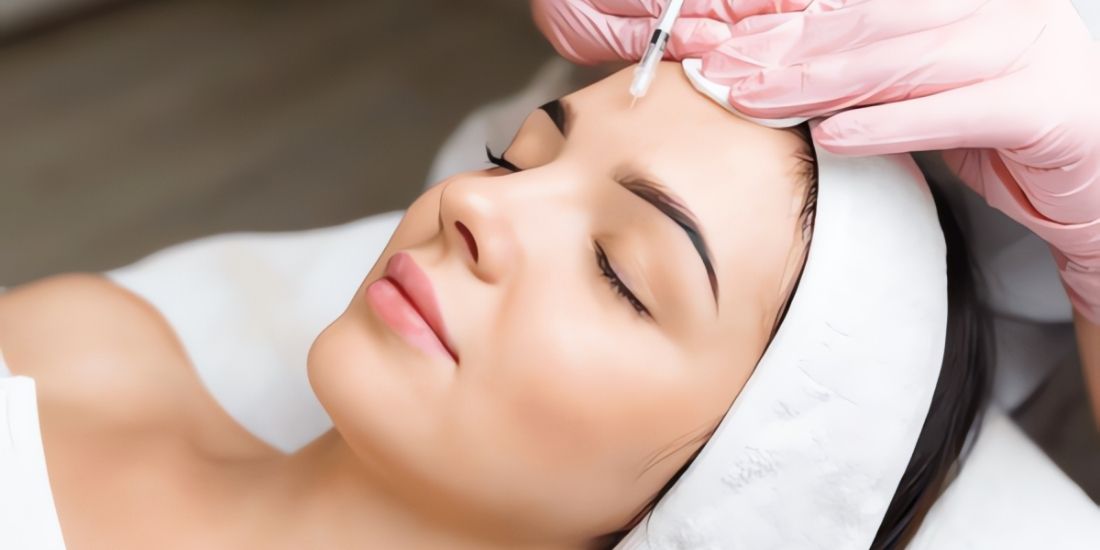
Who Should Skip Botox With Neuromuscular Disorders
Patients with neuromuscular disorders should avoid Botox applications due to potentially serious complications. Conditions such as myasthenia gravis, Lambert-Eaton syndrome, or amyotrophic lateral sclerosis (ALS) can be exacerbated by botulinum toxin's effects on nerve-muscle communication. Our Antalya clinic's medical dermatology team conducts thorough neurological assessments before considering any cosmetic procedures.
The mechanism of Botox, which temporarily blocks nerve signals to muscles, can dangerously amplify existing neuromuscular transmission issues. Patients with these conditions may experience unexpected muscle weakness, breathing difficulties, or swallowing problems if exposed to neuromodulators. Our dermatology specialist team maintains strict protocols to identify these contraindications during initial consultations.
For patients with neuromuscular disorders seeking facial rejuvenation, we offer alternative non-surgical aesthetics solutions. These include fractional laser treatments and PRP applications that provide skin-tightening benefits without affecting neuromuscular function. Our clinic prioritizes safety while helping patients achieve their aesthetic goals.
Dr. Melda Özekinci's expertise in clinical dermatology ensures that patients with complex medical histories receive appropriate care alternatives. We develop customized treatment plans that address both skin rejuvenation needs and underlying health conditions. Our approach combines evidence-based medicine with innovative techniques to deliver natural-looking results.
For those seeking alternatives to Botox, we provide comprehensive personalized aesthetic planning that considers all aspects of your health. Schedule a consultation to explore safe, effective treatment options that align with your medical needs while helping you achieve your desired aesthetic outcomes through advanced medical dermatology solutions.
What Allergies Make Botox Unsafe For You
Specific allergies can make Botox applications potentially dangerous, requiring careful screening before treatment. Patients with known hypersensitivity to botulinum toxin type A or any component of the formulation should avoid these injections entirely. Our Antalya clinic's medical dermatology team conducts comprehensive allergy assessments to ensure patient safety during aesthetic procedures.
Allergic reactions to Botox may present as severe swelling, difficulty breathing, or widespread hives, though such cases are rare. Patients with a history of allergic reactions to other neurotoxin products should exercise caution and undergo thorough testing before treatment. Our dermatology specialist team maintains emergency protocols to manage any adverse reactions promptly and effectively.
For patients with known allergies to Botox components, we offer alternative non-surgical aesthetics solutions that provide similar rejuvenating benefits. These include fractional laser treatments and PRP applications that can address fine lines and skin texture without the risk of allergic reactions. Our clinic's approach prioritizes safety while delivering natural-looking results.
Dr. Melda Özekinci's expertise in clinical dermatology ensures that patients with allergy concerns receive appropriate care alternatives. We perform patch testing when necessary to confirm sensitivities before proceeding with any treatment. Our comprehensive personalized aesthetic planning considers all potential allergens to create safe, effective treatment protocols.
For those seeking alternatives to Botox, we provide innovative solutions that align with your skin's needs and sensitivities. Schedule a consultation to discuss your allergy history and explore safe, effective options for achieving your aesthetic goals through advanced skin rejuvenation treatments that prioritize both safety and results.
Is Botox Risky With Blood Thinners
Combining Botox applications with blood thinners requires careful consideration due to increased bruising and bleeding risks. Patients taking anticoagulants like warfarin, aspirin, or novel oral anticoagulants (NOACs) need specialized protocols for safe treatment. Our Antalya clinic's medical dermatology team develops personalized approaches for patients on these essential medications.
While not an absolute contraindication, blood thinners can lead to more pronounced bruising and longer recovery times after aesthetic procedures. Our dermatology specialist team employs advanced injection techniques using ultra-fine needles to minimize tissue trauma. We also apply specialized cooling methods immediately after treatment to reduce bruising and swelling.
For patients requiring ongoing anticoagulation therapy, we coordinate with their prescribing physicians to determine if temporary dose adjustments are possible. When medication changes aren't feasible, we may recommend alternative non-surgical aesthetics such as fractional laser treatments or PRP applications that carry lower bleeding risks. These options can provide excellent skin rejuvenation benefits without compromising medical needs.
Dr. Melda Özekinci's expertise in clinical dermatology ensures that patients on blood thinners receive appropriate care while maintaining their cardiovascular health. Our clinic provides comprehensive pre-treatment counseling about realistic expectations and post-procedure care to optimize results. We emphasize that minor bruising, when it occurs, typically resolves within days with proper management.
For those seeking alternatives to Botox, we offer innovative solutions that accommodate medical needs while delivering natural-looking results. Schedule a consultation to discuss your medication regimen and explore safe, effective options for achieving your aesthetic goals through our advanced medical dermatology protocols designed for patients on blood thinners.
Who Should Avoid Botox With Previous Reactions
Patients who have experienced previous reactions to Botox applications require careful evaluation before considering additional treatments. Adverse reactions may include allergic responses, excessive muscle weakness, or unexpected spread of effects beyond the injection site. Our Antalya clinic's medical dermatology team conducts thorough assessments to determine the cause of prior reactions and develop safe treatment alternatives.
Documenting the nature and severity of previous reactions is crucial for determining future treatment eligibility. Patients who experienced systemic symptoms such as difficulty breathing, swallowing problems, or muscle weakness should avoid further Botox treatments. Our dermatology specialist team maintains detailed medical records to track patient responses and adjust protocols accordingly.
For patients with a history of localized reactions, we may consider alternative formulations or adjusted dosing under close medical supervision. However, those with confirmed hypersensitivity to botulinum toxin should explore alternative non-surgical aesthetics options. Our clinic offers advanced fractional laser treatments and PRP applications that can achieve similar rejuvenating effects without the risks associated with neuromodulators.
Dr. Melda Özekinci's expertise in clinical dermatology ensures that patients with complex reaction histories receive appropriate care alternatives. We prioritize patient safety while developing personalized aesthetic planning that addresses both aesthetic goals and medical concerns. Our approach combines evidence-based medicine with innovative techniques to deliver natural-looking results.
For those seeking alternatives to Botox, we provide comprehensive solutions that prioritize safety and effectiveness. Schedule a consultation to discuss your reaction history and explore customized treatment options that align with your needs through our advanced skin rejuvenation treatments designed for sensitive patients.
Can You Get Botox With Active Acne
Patients with active acne require careful consideration before receiving Botox applications to avoid potential complications. Injecting through inflamed or infected acne lesions can spread bacteria and worsen breakouts. Our Antalya clinic's medical dermatology team prioritizes treating the underlying acne before proceeding with cosmetic procedures to ensure optimal results and patient safety.
For patients with mild, non-inflamed acne, Botox may be administered with caution, avoiding active lesions. However, those with severe inflammatory acne should complete appropriate acne treatment first. Our dermatology specialist team develops comprehensive treatment plans that address both acne management and aesthetic goals simultaneously.
We often recommend alternative non-surgical aesthetics for patients with active acne, such as chemical peels or laser treatments that can improve both acne and fine lines. These treatments offer dual benefits by reducing inflammation while promoting skin rejuvenation without the risks associated with injecting through compromised skin.
Dr. Melda Özekinci's expertise in clinical dermatology ensures that patients with acne receive appropriate care that addresses both their medical and aesthetic concerns. We develop personalized skin care regimens to control breakouts before considering neuromodulator treatments. Our approach combines evidence-based acne management with advanced aesthetic solutions.
For those seeking to address both acne and aging concerns, we offer comprehensive treatment plans that prioritize skin health first. Schedule a consultation to discuss your acne condition and explore safe, effective options for achieving clear, youthful-looking skin through our integrated medical dermatology approach.
What Skin Conditions Rule Out Botox Treatment
Several skin conditions can make Botox treatment unsafe or ineffective, requiring careful evaluation before proceeding. Active infections such as herpes simplex outbreaks, impetigo, or cellulitis in the treatment area represent absolute contraindications. Our Antalya clinic's medical dermatology team conducts thorough skin assessments to identify these concerns before any aesthetic procedures.
Inflammatory conditions like severe rosacea, eczema, or psoriasis in the injection area can increase the risk of adverse reactions and poor treatment outcomes. Patients with these conditions should achieve skin stabilization before considering neuromodulator injections. Our dermatology specialist team develops comprehensive treatment plans that address both the underlying condition and aesthetic goals.
For patients with chronic skin conditions, we offer alternative non-surgical aesthetics solutions that can improve skin health while minimizing risks. These include fractional laser treatments and PRP applications that can address both medical and cosmetic concerns simultaneously. Our clinic's approach prioritizes skin barrier function and overall health.
Dr. Melda Özekinci's expertise in clinical dermatology ensures that patients with complex skin conditions receive appropriate care alternatives. We emphasize the importance of personalized skin care routines to maintain skin health before and after any aesthetic procedure. Our evidence-based approach combines medical management with aesthetic enhancements.
For those seeking alternatives to Botox, we provide innovative solutions that accommodate various skin conditions while delivering natural-looking results. Schedule a consultation to discuss your specific skin concerns and explore safe, effective options for achieving your aesthetic goals through our advanced skin rejuvenation treatments.
Who Should Not Get Botox While Breastfeeding
Breastfeeding mothers should avoid Botox applications due to insufficient safety data regarding potential transfer to breast milk. The medical community universally recommends postponing all elective cosmetic procedures during lactation, including neuromodulator injections. Our Antalya clinic's medical dermatology team prioritizes infant safety through evidence-based practices and conservative treatment approaches.
While the molecular size of botulinum toxin makes significant transfer to breast milk unlikely, ethical considerations prevent the clinical trials needed to establish definitive safety guidelines. The potential risk to the nursing infant outweighs any cosmetic benefits of wrinkle treatments during this period. Our dermatology specialist team provides alternative solutions for addressing postpartum skin concerns without compromising infant health.
For breastfeeding mothers seeking skin rejuvenation treatments, we offer pregnancy-safe alternatives that provide visible improvements without systemic risks. These include gentle medical skin care regimens and superficial treatments that don't penetrate beyond the epidermis. Our clinic's approach focuses on maintaining skin health during lactation while planning for post-weaning procedures.
Dr. Melda Özekinci's expertise in clinical dermatology ensures that breastfeeding patients receive appropriate guidance for their changing skin needs. We recommend scheduling a consultation to discuss safe alternatives and create a personalized treatment plan for after weaning. Our clinic offers comprehensive aesthetic expectation analysis to help patients understand their options.
For new mothers who have completed breastfeeding, we provide a range of non-surgical aesthetics solutions to address post-pregnancy concerns. These include advanced fractional laser treatments and PRP applications that can effectively target stretch marks and skin laxity. Contact our clinic to schedule a post-breastfeeding consultation and explore safe, effective treatment options.
Is Botox Safe With Certain Medical Implants
Patients with medical implants require careful evaluation before receiving Botox applications to ensure safety and treatment efficacy. While most implants don't directly interact with neuromodulators, their location and the patient's overall health status must be considered. Our Antalya clinic's medical dermatology team conducts thorough assessments to determine appropriate treatment protocols for patients with various implant types.
For patients with facial implants, careful injection technique is essential to avoid affecting the implant's position or causing inflammation. Those with electronic implants like pacemakers or neurostimulators should inform their practitioner, as certain procedures might require precautions. Our dermatology specialist team maintains detailed medical records and coordinates with other healthcare providers when necessary to ensure comprehensive care.
Patients with breast implants or other body implants can safely receive Botox in facial areas, as the treatment's effects are localized. However, we always consider the patient's complete medical history and any medications they may be taking. Our clinic offers alternative non-surgical aesthetics such as fractional laser or PRP applications for those who prefer to avoid injections near their implants.
Dr. Melda Özekinci's expertise in clinical dermatology ensures that patients with medical implants receive appropriate care that addresses both their aesthetic goals and medical needs. We develop personalized aesthetic planning that considers all aspects of a patient's health history. Our approach combines evidence-based medicine with innovative techniques to deliver natural-looking results.
For those seeking to enhance their appearance while managing medical implants, we provide comprehensive solutions that prioritize safety and effectiveness. Schedule a consultation to discuss your specific situation and explore customized treatment options through our advanced skin rejuvenation treatments designed for patients with medical implants.