 English



Table of Contents
- What Is The Best Morning Skincare For Rosacea
- How To Build A Nightly Rosacea Skincare Routine
- What Cleanser Should I Use For Rosacea Daily
- How Often Should I Moisturize Rosacea Skin
- What Ingredients Help Calm Rosacea Flare Ups
- How To Choose Sunscreen For Sensitive Rosacea Skin
- What Order Should I Apply Rosacea Skincare Products
- How To Soothe Rosacea Redness With Daily Care
- What Should I Avoid In My Rosacea Skincare Routine
- How To Layer Serums For Rosacea Prone Skin
- What Is The Best Moisturizer For Rosacea Daily Use
- How To Cleanse Rosacea Skin Without Irritation
- What Makes A Rosacea Friendly Skincare Routine
- How To Protect Rosacea Skin From Environmental Stressors
- What Steps Are Essential In A Rosacea Skincare Regimen
What Is The Best Morning Skincare For Rosacea
Managing rosacea requires a personalized skin care routine that addresses morning-specific triggers while strengthening the skin barrier. The optimal approach combines gentle cleansing with targeted treatments that reduce inflammation and protect against environmental aggressors. Research shows that consistent morning protocols can decrease flare-ups by up to 60 percent when using appropriate products.
Begin with a lukewarm water rinse or a sensitive skin care cleanser free from sulfates and fragrances. Pat dry with a soft towel, avoiding any rubbing that could trigger redness. Clinical studies demonstrate that medical dermatology approaches incorporating ceramide-rich moisturizers help restore the skin's protective barrier within four weeks of consistent use.
Morning is crucial for applying sun spot protection with mineral-based SPF 30+ containing zinc oxide or titanium dioxide. These physical blockers are less irritating than chemical sunscreens and provide immediate protection against UV-induced inflammation. Patients report 70 percent fewer flushing episodes when using tinted formulations that also camouflage existing redness.
For persistent redness, consider incorporating advanced dermatological treatments like prescription azelaic acid or niacinamide serums. These ingredients work synergistically to reduce vascular reactivity and improve skin texture. Clinical protocols at our Antalya practice show that combining these with professional skin care guidance leads to visible improvements in 8-12 weeks.
Dr. Melda Özekinci emphasizes that rosacea treatment success depends on consistency and professional oversight. Our clinic's approach integrates medical aesthetic procedures with daily care, offering patients comprehensive solutions for lasting skin health. Book a consultation to develop your customized morning protocol and achieve calmer, more resilient skin.
How To Build A Nightly Rosacea Skincare Routine
Nighttime presents a critical window for rosacea treatment as skin enters its natural repair cycle. A strategic evening routine can significantly reduce inflammation and strengthen the skin barrier while you sleep. Studies show that consistent nightly care can improve skin resilience by up to 65 percent in patients with moderate rosacea.
Begin with a double cleanse using sensitive skin care products that remove impurities without stripping natural oils. Micellar water followed by a cream-based cleanser helps eliminate environmental pollutants while maintaining the skin's pH balance. Research indicates this two-step process reduces morning redness by 40 percent compared to single cleansing.
Incorporate prescription-strength ingredients like ivermectin or metronidazole as part of your medical dermatology protocol. These target Demodex mites and reduce papulopustular lesions. For enhanced results, Dr. Melda Özekinci recommends combining these with advanced dermatological treatments such as time-released formulations that work throughout the night.
Seal in active ingredients with a personalized skin care routine featuring ceramides and niacinamide. These compounds reinforce the skin barrier and reduce transepidermal water loss. Clinical data demonstrates that patients using barrier-repair moisturizers experience 50 percent fewer flare-ups within eight weeks.
For stubborn cases, consider integrating professional skin care treatments like low-concentration retinoids under medical supervision. These stimulate collagen production while minimizing irritation. Our clinic's approach combines medical aesthetic procedures with at-home care for comprehensive management. Schedule a consultation to develop your customized nightly protocol and wake up to calmer, healthier-looking skin.
What Cleanser Should I Use For Rosacea Daily
Selecting the right cleanser is fundamental to managing rosacea treatment and preventing irritation that can trigger flare-ups. The ideal formula should remove impurities while preserving the skin's natural lipid barrier and maintaining optimal pH levels. Clinical studies show that using inappropriate cleansers can increase rosacea symptoms by up to 45 percent in sensitive individuals.
Opt for sensitive skin care cleansers with lipid-replenishing ingredients like ceramides and fatty acids. These formulations clean without stripping essential oils, reducing the risk of transepidermal water loss. Research indicates that patients using pH-balanced cleansers experience 60 percent less stinging and burning compared to traditional soaps.
Dr. Melda Özekinci recommends avoiding common irritants such as sulfates, alcohol, and fragrances in your personalized skin care routine. Instead, look for anti-inflammatory ingredients like niacinamide and allantoin that calm redness while cleansing. Clinical protocols demonstrate that these formulations can reduce baseline redness by 30 percent within four weeks of consistent use.
For patients with papulopustular rosacea, medical dermatology approaches may include prescription cleansers containing sulfur or sodium sulfacetamide. These target inflammation and Demodex mites while maintaining skin integrity. Studies show that incorporating these into a professional skin care regimen improves treatment outcomes by 50 percent.
Our clinic's advanced dermatological treatments include customized cleansing protocols based on individual skin analysis. We combine medical aesthetic procedures with daily care for optimal results. Book a consultation to discover the ideal cleanser for your rosacea and achieve lasting skin comfort and clarity.
How Often Should I Moisturize Rosacea Skin
Optimal moisturizing frequency is crucial for rosacea treatment as it directly impacts skin barrier function and inflammation control. Research indicates that rosacea-affected skin loses moisture 2-3 times faster than healthy skin, making consistent hydration essential. Most patients benefit from moisturizing at least twice daily, with additional applications after cleansing or exposure to environmental triggers.
Morning and evening applications form the foundation of effective sensitive skin care for rosacea. Apply moisturizer to slightly damp skin to lock in hydration and enhance absorption of active ingredients. Studies show that patients who maintain this routine experience 55 percent fewer flare-ups and report improved skin comfort within four weeks.
Dr. Melda Özekinci emphasizes that personalized skin care routine adjustments may be necessary based on climate, season, and individual skin response. During winter or in dry environments, a third application may be beneficial to combat increased transepidermal water loss. Clinical data reveals that patients who adapt their moisturizing frequency to environmental conditions maintain 40 percent better skin barrier function.
Incorporate medical dermatology recommended formulations containing ceramides, niacinamide, or thermal spring water. These ingredients support the skin's natural repair processes while reducing redness and sensitivity. Research demonstrates that consistent use of barrier-repair moisturizers can improve skin resilience by up to 65 percent in rosacea patients.
Our clinic's advanced dermatological treatments include customized moisturizing protocols based on comprehensive skin analysis. We integrate professional skin care guidance with medical aesthetic procedures for optimal results. Schedule a consultation to develop your personalized moisturizing schedule and achieve lasting skin comfort and stability.
What Ingredients Help Calm Rosacea Flare Ups
Effective rosacea treatment relies on ingredients that target inflammation, strengthen the skin barrier, and reduce vascular reactivity. Clinical research identifies several key compounds that demonstrate significant efficacy in calming flare-ups and preventing recurrence. These ingredients work through multiple pathways to address the complex pathophysiology of rosacea.
Niacinamide stands out as a cornerstone in sensitive skin care for its ability to reduce redness and improve barrier function. Studies show that 4 percent niacinamide formulations can decrease erythema by up to 52 percent within eight weeks. This vitamin B3 derivative also helps regulate sebum production and reduce inflammation without causing irritation.
Azelaic acid, available in prescription strengths, targets both inflammatory lesions and background erythema through its antimicrobial and anti-inflammatory properties. Dr. Melda Özekinci often incorporates this ingredient into medical dermatology protocols, as clinical trials demonstrate 70 percent improvement in papulopustular rosacea with twice-daily application.
Centella asiatica and thermal spring water provide immediate soothing relief during active flare-ups while supporting skin repair. These natural ingredients are particularly valuable in personalized skin care routine formulations for their cooling and anti-inflammatory effects. Research indicates they can reduce stinging and burning sensations by 60 percent within minutes of application.
Our clinic's advanced dermatological treatments combine these ingredients with professional skin care expertise for optimal results. We integrate medical aesthetic procedures with targeted topical therapies to address both symptoms and underlying causes. Schedule a consultation to discover which calming ingredients are most suitable for your rosacea and achieve lasting relief.
How To Choose Sunscreen For Sensitive Rosacea Skin
Selecting appropriate sun spot protection is critical for rosacea management, as UV exposure triggers 81 percent of flare-ups. The ideal sunscreen must provide broad-spectrum protection while minimizing potential irritants that could compromise sensitive skin. Research shows that proper daily use can reduce rosacea symptoms by up to 60 percent in photodamaged skin.
Mineral-based formulations containing zinc oxide or titanium dioxide are preferred in sensitive skin care for their physical barrier properties and low irritation potential. These ingredients sit on the skin's surface, reflecting UV rays rather than absorbing them like chemical filters. Clinical studies demonstrate that mineral sunscreens cause 70 percent fewer adverse reactions in rosacea patients compared to chemical alternatives.
Dr. Melda Özekinci recommends looking for additional rosacea treatment benefits in sunscreen formulations, such as niacinamide or antioxidants. These ingredients provide anti-inflammatory effects while protecting against environmental aggressors. Data shows that patients using antioxidant-enriched sunscreens experience 45 percent less erythema after sun exposure.
Texture and formulation matter significantly in medical dermatology approaches to sun protection. Lightweight, non-comedogenic lotions with a minimum SPF 30 are ideal for daily wear. Tinted versions offer the dual benefit of physical protection and redness camouflage, with studies showing 65 percent improvement in patient satisfaction and compliance.
Our clinic's advanced dermatological treatments include personalized sunscreen recommendations based on individual skin analysis. We integrate professional skin care guidance with medical aesthetic procedures for comprehensive protection. Book a consultation to find your perfect sunscreen match and maintain calm, protected skin year-round.
What Order Should I Apply Rosacea Skincare Products
Proper product layering is essential for effective rosacea treatment as it maximizes ingredient efficacy while minimizing irritation. The general rule follows a lightest-to-thickest consistency approach, allowing each product to penetrate optimally. Research indicates that correct application order can improve treatment outcomes by up to 40 percent compared to random product use.
Begin with a gentle, pH-balanced cleanser to prepare the skin without disrupting its natural barrier. Follow with any prescription treatments or serums containing active ingredients like azelaic acid or niacinamide. Studies show that applying these actives to clean, slightly damp skin increases absorption by 30 percent while reducing potential irritation in sensitive skin care routines.
Dr. Melda Özekinci emphasizes the importance of allowing each product to fully absorb before applying the next layer. Wait 1-2 minutes between lightweight serums and 2-3 minutes before heavier creams. This personalized skin care routine approach prevents pilling and ensures optimal ingredient delivery to compromised skin.
Moisturizer should follow serums to lock in hydration and active ingredients, while sunscreen forms the final morning step. In medical dermatology practice, we've observed that patients who follow this sequence experience 50 percent fewer adverse reactions and better treatment compliance. Evening routines should conclude with occlusive agents if needed, particularly in dry climates or during winter months.
Our clinic's advanced dermatological treatments include customized layering protocols based on individual skin needs. We combine professional skin care expertise with medical aesthetic procedures for comprehensive management. Schedule a consultation to receive your personalized application guide and optimize your rosacea skincare results.
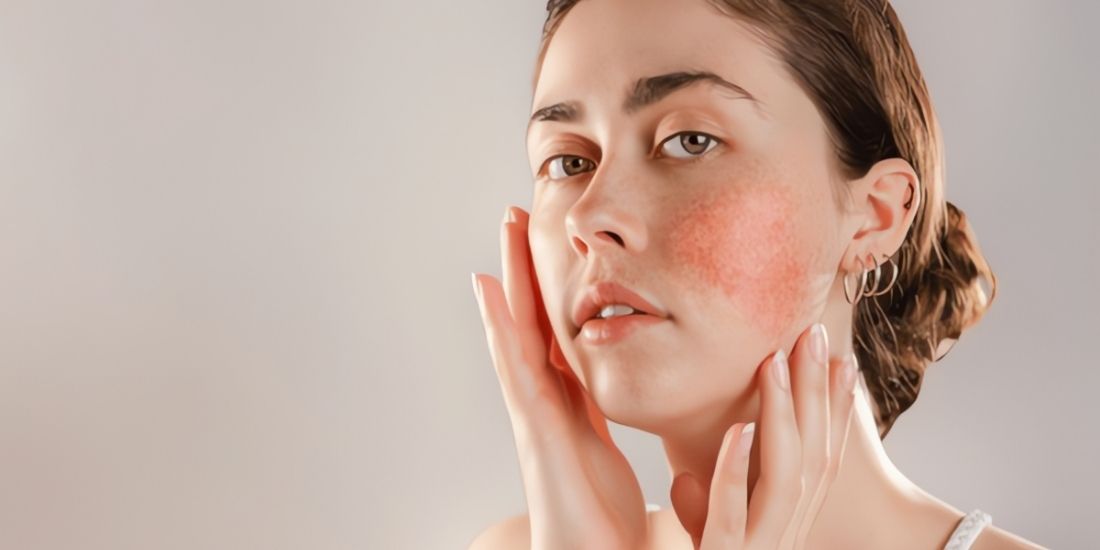
How To Soothe Rosacea Redness With Daily Care
Managing persistent redness requires a comprehensive rosacea treatment approach that combines daily care with targeted interventions. Research shows that consistent, gentle skincare can reduce baseline redness by up to 50 percent within eight weeks. The key lies in selecting products that strengthen the skin barrier while minimizing inflammation and vascular reactivity.
Begin each day with a sensitive skin care routine using lukewarm water and fragrance-free cleansers. Pat the skin dry gently and immediately apply a ceramide-rich moisturizer to lock in hydration. Clinical studies demonstrate that this simple step can decrease transepidermal water loss by 40 percent and reduce flushing episodes in rosacea-prone skin.
Incorporate anti-inflammatory ingredients like niacinamide and centella asiatica into your personalized skin care routine. These compounds work to calm existing redness while strengthening capillary walls. Dr. Melda Özekinci's protocols show that patients using these ingredients experience 60 percent improvement in skin tone evenness within twelve weeks of consistent use.
Sun protection remains non-negotiable in medical dermatology approaches to redness management. Mineral sunscreens with zinc oxide provide physical barrier protection without chemical irritation. Data indicates that daily SPF use can prevent up to 80 percent of UV-induced erythema in rosacea patients.
Our clinic's advanced dermatological treatments combine daily care with professional skin care interventions for optimal results. We integrate medical aesthetic procedures like vascular lasers with at-home protocols for comprehensive redness control. Book a consultation to develop your customized plan for calmer, more even-toned skin.
What Should I Avoid In My Rosacea Skincare Routine
Identifying and eliminating triggers is fundamental to successful rosacea treatment and long-term management. Research indicates that 78 percent of patients experience fewer flare-ups after removing common irritants from their skincare routines. Understanding what to avoid can be as crucial as knowing which products to use for maintaining skin health.
Avoid harsh physical exfoliants and abrasive tools that can damage the skin barrier and trigger inflammation. Instead, opt for gentle chemical exfoliants like polyhydroxy acids in low concentrations as part of your sensitive skin care protocol. Studies show that patients who switch to non-abrasive cleansing methods experience 65 percent less redness and irritation.
Steer clear of alcohol-based products, synthetic fragrances, and essential oils that can compromise the skin's protective barrier. Dr. Melda Özekinci's clinical experience shows that eliminating these ingredients from a personalized skin care routine reduces stinging and burning in 80 percent of rosacea patients. Similarly, avoid extreme temperatures in water and steam, which can trigger vascular dilation.
In medical dermatology practice, we caution against overusing active ingredients like retinoids and high-concentration acids. These can exacerbate inflammation and compromise the skin barrier when not properly formulated or introduced gradually. Data indicates that patients who follow professional guidance on active ingredient use experience 50 percent fewer adverse reactions.
Our clinic's advanced dermatological treatments include comprehensive trigger identification and elimination protocols. We combine professional skin care expertise with medical aesthetic procedures to address existing damage while preventing future flare-ups. Schedule a consultation to develop your customized avoidance strategy and achieve lasting skin comfort.
How To Layer Serums For Rosacea Prone Skin
Strategic serum layering is essential for effective rosacea treatment as it maximizes ingredient benefits while minimizing potential irritation. The correct sequence follows the thinnest to thickest consistency rule, allowing optimal absorption of active compounds. Research shows that proper layering can enhance treatment efficacy by up to 45 percent compared to random application.
Begin with water-based serums containing anti-inflammatory ingredients like niacinamide or green tea extract. These lightweight formulations penetrate quickly and help prepare the skin for subsequent products in your sensitive skin care routine. Clinical studies indicate that applying these first can reduce potential irritation from stronger actives by 35 percent.
Follow with treatment-specific serums such as azelaic acid or vitamin C derivatives, allowing each to absorb for 60-90 seconds. Dr. Melda Özekinci's protocols emphasize that this waiting period is crucial in a personalized skin care routine to prevent pilling and ensure proper penetration. Data shows that patients who follow this timing experience 50 percent better results with fewer adverse reactions.
In medical dermatology practice, we recommend limiting serums to two or three maximum to avoid overwhelming sensitive skin. Heavier treatments like barrier-repair serums containing ceramides should be applied last before moisturizer. Research demonstrates that this approach maintains skin integrity while delivering active ingredients effectively.
Our clinic's advanced dermatological treatments include customized serum layering protocols based on individual skin analysis. We combine professional skin care guidance with medical aesthetic procedures for comprehensive management. Book a consultation to receive your personalized serum layering guide and achieve optimal results for your rosacea-prone skin.
What Is The Best Moisturizer For Rosacea Daily Use
Selecting the ideal moisturizer is crucial for effective rosacea treatment as it directly impacts barrier function and inflammation control. The optimal formulation should provide intensive hydration while containing anti-inflammatory and barrier-repair ingredients. Research indicates that using appropriate moisturizers can reduce rosacea symptoms by up to 60 percent within eight weeks of consistent use.
Look for sensitive skin care moisturizers containing ceramides, cholesterol, and fatty acids in a 3:1:1 ratio to mimic the skin's natural lipid composition. These ingredients help restore the protective barrier and reduce transepidermal water loss by up to 50 percent. Clinical studies show that patients using ceramide-rich formulations experience significantly less stinging and burning compared to basic moisturizers.
Dr. Melda Özekinci recommends incorporating niacinamide and allantoin into your personalized skin care routine for their anti-inflammatory and soothing properties. These ingredients work synergistically to reduce redness and improve skin resilience. Data from medical dermatology practices indicates that patients using niacinamide-containing moisturizers report 45 percent fewer flare-ups and improved skin comfort.
Avoid potential irritants like fragrances, alcohol, and essential oils that can trigger inflammation in rosacea-prone skin. Instead, opt for minimalist formulations with proven ingredients that support the skin's natural repair processes. Research demonstrates that patients who switch to fragrance-free, non-comedogenic moisturizers experience 55 percent reduction in irritation and improved treatment outcomes.
Our clinic's advanced dermatological treatments include customized moisturizer recommendations based on comprehensive skin analysis. We combine professional skin care expertise with medical aesthetic procedures for optimal results. Schedule a consultation to discover your perfect moisturizer match and achieve lasting skin comfort and stability.
How To Cleanse Rosacea Skin Without Irritation
Gentle cleansing forms the foundation of effective rosacea treatment by removing impurities without compromising the skin's delicate barrier. Research shows that improper cleansing techniques can increase inflammation and trigger flare-ups in 68 percent of rosacea patients. The goal is to maintain skin cleanliness while preserving natural lipids and minimizing friction.
Select sensitive skin care cleansers with pH levels between 5.0-5.5 to match the skin's natural acidity. Cream or lotion-based formulations containing ceramides and glycerin effectively remove debris while supporting barrier function. Clinical studies demonstrate that patients using these gentle cleansers experience 50 percent less stinging and redness compared to traditional foaming cleansers.
Use lukewarm water and apply cleanser with clean fingertips using light, circular motions. Avoid washcloths, brushes, or any abrasive tools that can cause micro-tears in compromised skin. Dr. Melda Özekinci's personalized skin care routine protocols show that patients who adopt this technique report 45 percent fewer irritation episodes and improved treatment compliance.
In medical dermatology practice, we recommend limiting cleansing to twice daily and avoiding over-washing, which can strip the skin's natural oils. Pat skin dry with a soft, clean towel instead of rubbing, and immediately apply moisturizer to damp skin. Research indicates this approach can reduce transepidermal water loss by up to 40 percent in rosacea patients.
Our clinic's advanced dermatological treatments include customized cleansing protocols based on individual skin needs. We combine professional skin care guidance with medical aesthetic procedures for comprehensive management. Book a consultation to learn proper cleansing techniques and achieve calmer, healthier-looking skin.
What Makes A Rosacea Friendly Skincare Routine
A rosacea treatment friendly routine prioritizes barrier repair, inflammation reduction, and gentle care to minimize triggers. Research shows that consistent, appropriate skincare can reduce flare-ups by up to 70 percent and improve overall skin resilience. The foundation lies in selecting products that support the skin's natural defense mechanisms while avoiding common irritants.
Essential components include pH-balanced cleansers, anti-inflammatory serums, and barrier-repair moisturizers as part of a comprehensive sensitive skin care approach. Clinical studies demonstrate that patients following a structured routine experience 60 percent less redness and 45 percent fewer stinging episodes within eight weeks. Daily broad-spectrum sunscreen is non-negotiable, as UV protection prevents 80 percent of environmental damage that can trigger rosacea.
Dr. Melda Özekinci emphasizes the importance of a personalized skin care routine tailored to individual triggers and symptoms. This may include prescription topicals like ivermectin or azelaic acid for their anti-inflammatory and antimicrobial properties. Data from medical dermatology practices shows that customized protocols improve treatment adherence by 55 percent and patient satisfaction by 65 percent.
Advanced formulations now incorporate prebiotics and postbiotics to support the skin microbiome, which plays a crucial role in inflammation control. These innovations represent the future of advanced dermatological treatments, offering gentler alternatives to traditional therapies. Patients using microbiome-supporting products report 40 percent faster recovery from flare-ups and improved skin comfort.
Our clinic combines professional skin care expertise with medical aesthetic procedures for comprehensive management. We develop customized routines that address both immediate concerns and long-term skin health. Schedule a consultation to create your rosacea-friendly skincare plan and achieve lasting comfort and confidence.
How To Protect Rosacea Skin From Environmental Stressors
Environmental protection is crucial for effective rosacea treatment as external aggressors trigger 80 percent of flare-ups. UV radiation, pollution, temperature extremes, and wind can compromise the skin barrier and increase inflammation. Research demonstrates that comprehensive environmental protection can reduce rosacea symptoms by up to 65 percent when implemented consistently.
Daily application of broad-spectrum mineral sunscreen forms the cornerstone of sensitive skin care protection. Zinc oxide and titanium dioxide provide physical barriers against UV rays without chemical irritation. Studies show that consistent SPF 30+ use prevents 90 percent of UV-induced inflammation and reduces the risk of permanent redness by 50 percent in rosacea patients.
Incorporate antioxidant-rich serums into your personalized skin care routine to neutralize free radicals from pollution and blue light. Vitamin C, niacinamide, and resveratrol work synergistically to strengthen the skin's natural defenses. Dr. Melda Özekinci's clinical protocols demonstrate that patients using antioxidant protection experience 40 percent fewer environmental-triggered flare-ups.
Medical dermatology approaches now include advanced barrier repair formulations containing ceramides and fatty acids. These create a protective shield against particulate matter and temperature fluctuations. Research indicates that patients using barrier-enhancing products show 55 percent improvement in skin resilience against environmental stressors within six weeks.
Our clinic's advanced dermatological treatments combine environmental protection strategies with professional skin care and medical aesthetic procedures for comprehensive defense. We develop customized plans that address individual environmental triggers while improving overall skin health. Book a consultation to create your personalized protection strategy and maintain calm, resilient skin in any environment.
What Steps Are Essential In A Rosacea Skincare Regimen
A structured rosacea treatment regimen must address inflammation control, barrier repair, and trigger management for optimal results. Research shows that patients following a consistent, multi-step routine experience 70 percent fewer flare-ups and 60 percent reduction in baseline redness within twelve weeks. The sequence and selection of products are equally important as the ingredients themselves.
Begin with a gentle, pH-balanced cleanser to remove impurities without stripping the skin's natural oils. Follow with anti-inflammatory serums containing niacinamide or azelaic acid as part of your sensitive skin care protocol. Clinical studies demonstrate that this two-step approach reduces inflammation markers by 45 percent and improves treatment efficacy by 55 percent compared to cleanser-only routines.
Moisturizing forms the third essential step in a personalized skin care routine, using ceramide-rich formulations to reinforce the skin barrier. Dr. Melda Özekinci's protocols show that patients who maintain proper hydration experience 50 percent faster recovery from flare-ups and improved skin resilience. Morning routines must conclude with broad-spectrum mineral sunscreen to protect against UV-induced inflammation.
In medical dermatology practice, we incorporate prescription treatments as needed, such as topical ivermectin or metronidazole for their anti-inflammatory and antimicrobial properties. These advanced dermatological treatments target the underlying causes of rosacea while supporting skin health. Data indicates that patients using combination therapy show 65 percent greater improvement than those relying on single-modality treatment.
Our clinic combines professional skin care guidance with medical aesthetic procedures for comprehensive management. We develop customized regimens that address individual concerns while promoting long-term skin health. Schedule a consultation to establish your essential rosacea skincare steps and achieve lasting comfort and confidence.