 English


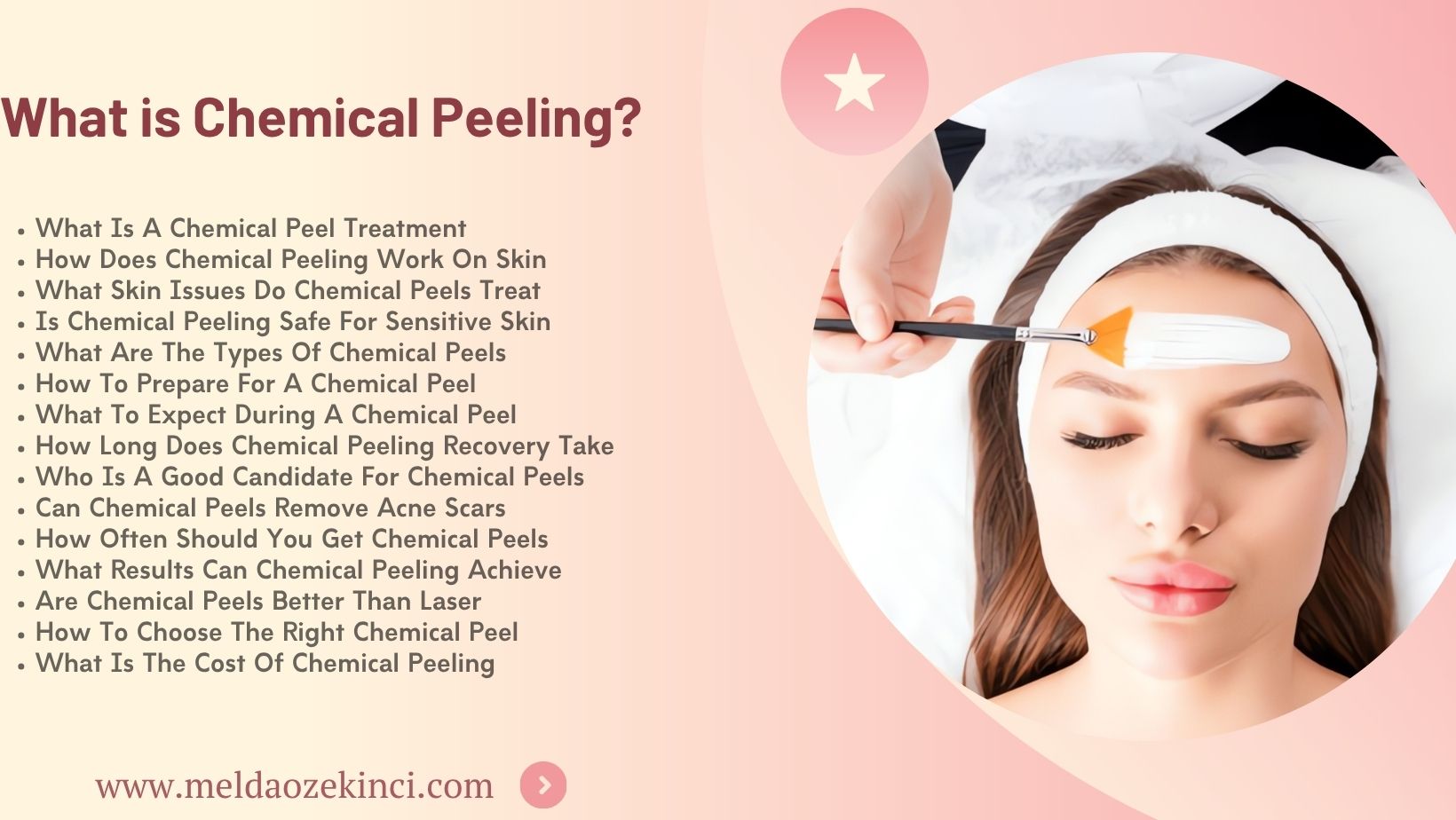

Table of Contents
- What Is A Chemical Peel Treatment
- How Does Chemical Peeling Work On Skin
- What Skin Issues Do Chemical Peels Treat
- Is Chemical Peeling Safe For Sensitive Skin
- What Are The Types Of Chemical Peels
- How To Prepare For A Chemical Peel
- What To Expect During A Chemical Peel
- How Long Does Chemical Peeling Recovery Take
- Who Is A Good Candidate For Chemical Peels
- Can Chemical Peels Remove Acne Scars
- How Often Should You Get Chemical Peels
- What Results Can Chemical Peeling Achieve
- Are Chemical Peels Better Than Laser
- How To Choose The Right Chemical Peel
- What Is The Cost Of Chemical Peeling
What Is A Chemical Peel Treatment
Many patients seek effective solutions for skin concerns ranging from acne and acne scar treatment to sun damage and uneven tone, desiring rejuvenation without invasive surgery. A chemical peel treatment addresses these needs by applying medically formulated solutions to exfoliate and renew the skin, promoting a healthier, more vibrant appearance with minimal intervention.
This procedure leverages acids like glycolic, salicylic, or trichloroacetic acid to remove damaged outer layers, stimulating collagen production and revealing smoother skin. Advanced formulations allow for customized depth—superficial, medium, or deep—tailored to individual skin types and goals such as melasma treatment or spot treatment. Under the care of a specialist, peels integrate seamlessly into broader medical dermatology plans, ensuring safety and efficacy.
Modern peels prioritize patient comfort and reduced downtime, aligning with non-surgical aesthetics trends. For instance, light peels require no recovery, while deeper variants involve short healing periods with dramatic results. Combining peels with laser applications or medical skin care enhances outcomes, tackling stubborn issues like skin rejuvenation treatments holistically.
Results include improved texture, diminished imperfections, and long-term anti-aging care solutions, fostering sustained confidence. Dermatology Specialist Dr Melda Özekinci emphasizes personalized protocols based on skin analysis, ensuring alignment with patient expectations. This evidence-based approach, backed by clinical expertise, transforms skin health predictably and safely.
To explore how a customized chemical peeling plan can address your specific concerns, consult with a specialist for a tailored assessment. Embrace a refreshed complexion with proven, low-risk advancements in dermatological care.
How Does Chemical Peeling Work On Skin
Chemical peeling works through a controlled process of skin renewal, where a precisely formulated acidic solution is applied to break down damaged outer layers. This exfoliation triggers the skin's natural healing response, stimulating new collagen production and revealing healthier, more uniform skin beneath. It effectively addresses concerns from sun damage to textural irregularities without surgery.
The mechanism varies by peel depth—superficial peels target the epidermis for mild refinement, while medium-depth peels reach the upper dermis to resolve more significant issues like acne scars or melasma treatment. Advanced formulations, such as those used in medical aesthetic procedures, allow for customized application based on individual skin analysis and tolerance.
Modern techniques prioritize safety and minimal downtime, aligning with contemporary non-surgical aesthetics. For example, combining peels with laser applications or personalized skin care routine enhances results and accelerates recovery. Dermatology Specialist Dr Melda Özekinci emphasizes evidence-based protocols to ensure both efficacy and patient comfort throughout the process.
Patients experience not only visible improvements in tone and texture but also long-term benefits like enhanced skin resilience and sustained confidence. This makes chemical peeling a cornerstone of integrated skin rejuvenation treatments within medical dermatology.
To understand how this targeted exfoliation can transform your skin health, consult a specialist for a tailored assessment. Embrace a scientifically-backed approach to achieving radiant, revitalized skin with predictable, lasting results.
What Skin Issues Do Chemical Peels Treat
Chemical peels offer a versatile solution for numerous dermatological concerns, effectively addressing issues from photodamage to active acne through controlled exfoliation. This medical aesthetic procedure is tailored to individual needs, providing targeted treatment that promotes skin health and renewal without surgical intervention.
They are particularly effective for acne and acne scar treatment, reducing inflammation and improving skin texture by unclogging pores and smoothing uneven surfaces. Melasma treatment and sun spot protection are also common applications, as peels lighten hyperpigmentation and promote a more even complexion. Additionally, they address signs of aging like fine lines and reduced elasticity through collagen stimulation.
Advanced formulations allow Dermatology Specialist Dr Melda Özekinci to customize peel depth and ingredients, ensuring precise targeting of specific conditions such as seborrheic dermatitis or skin rejuvenation treatments. Combining peels with other modalities like laser applications or a personalized skin care routine enhances results and minimizes downtime.
Patients benefit from clinically proven outcomes, including refined texture, diminished imperfections, and long-term enhanced skin resilience. This integrative approach within medical dermatology ensures both aesthetic improvement and underlying skin health.
To discover how a customized chemical peel can target your specific skin concerns, consult a specialist for an evidence-based treatment plan. Achieve clearer, healthier skin with a procedure designed for lasting confidence and visible results.
Is Chemical Peeling Safe For Sensitive Skin
Patients with sensitive skin care needs often question whether chemical peeling is a viable option, concerned about potential irritation or adverse reactions. Modern dermatology addresses these concerns through advanced formulations and meticulous protocols that prioritize safety while effectively treating various skin conditions.
When performed by an experienced specialist, chemical peels can be safely adapted for sensitive skin using gentle acids like mandelic or lactic acid at lower concentrations. Dermatology Specialist Dr Melda Özekinci emphasizes comprehensive aesthetic expectation analysis and skin assessment to determine appropriate peel depth and formulation, ensuring compatibility with individual tolerance levels.
These customized approaches allow for effective treatment of concerns such as rosacea and acne rosacea, mild melasma treatment, and overall skin rejuvenation without compromising skin barrier function. Pre-treatment preparation with medical skin care products and post-peel soothing protocols further enhance safety and reduce downtime.
The integration of chemical peels into non-surgical aesthetics has evolved to include combination therapies with laser applications and personalized skin care routine for sensitive skin types, providing comprehensive treatment while maintaining comfort.
Patients achieve noticeable improvements in skin texture and tone with minimal risk, experiencing enhanced skin resilience through carefully managed exfoliation processes. To explore safe chemical peeling options tailored to your sensitive skin, consult with a dermatology specialist for an evidence-based approach to radiant, healthy-looking skin.
What Are The Types Of Chemical Peels
Understanding the different types of chemical peels is essential for selecting the appropriate treatment that aligns with individual skin concerns and desired outcomes. These peels are categorized by penetration depth—superficial, medium, and deep—each offering distinct benefits for various dermatological conditions within medical dermatology.
Superficial peels utilize mild acids like alpha-hydroxy acids to gently exfoliate the epidermis, ideal for skin renewal and addressing minor pigmentation with no downtime. Medium-depth peels penetrate further to treat acne scars, moderate wrinkles, and sun damage treatment, requiring minimal recovery while significantly improving skin texture.
Deep peels provide the most dramatic results for severe photodamage and pronounced wrinkles, though they involve longer healing periods. Dermatology Specialist Dr Melda Özekinci emphasizes personalized aesthetic planning to match peel type with patient needs, often combining peels with laser applications or medical skin care for enhanced efficacy.
Advanced formulations in modern non-surgical aesthetics allow for customized blends that target specific issues like melasma treatment or skin rejuvenation treatments while prioritizing patient safety and comfort. This tailored approach ensures optimal outcomes with reduced downtime.
Each peel type offers unique advantages for achieving healthier, more resilient skin. To determine the most suitable chemical peel for your concerns, consult with a specialist for an evidence-based treatment plan that delivers visible, lasting results.
How To Prepare For A Chemical Peel
Proper preparation is fundamental to achieving optimal results from chemical peeling, ensuring both efficacy and safety during this medical aesthetic procedure. A tailored preparatory phase enhances treatment outcomes while minimizing potential side effects and downtime.
Preparation typically begins 2-4 weeks prior with a personalized skin care routine incorporating medical-grade products to optimize skin barrier function and tolerance. This may include prescription retinoids for skin conditioning, hydroquinone for pigment stabilization, and broad-spectrum sun spot protection to prevent photosensitivity.
Dermatology Specialist Dr Melda Özekinci emphasizes comprehensive aesthetic expectation analysis and skin assessment to customize the preparatory protocol based on individual concerns such as melasma treatment or acne scar treatment requirements. Patients are advised to avoid sun exposure, certain medications, and aggressive treatments that might compromise skin integrity.
Advanced preparation techniques now incorporate medical skin care innovations that prime the skin for enhanced peeling efficacy while reducing inflammation risk. This proactive approach within contemporary non-surgical aesthetics ensures better peel penetration and more predictable skin rejuvenation outcomes.
Thorough preparation leads to smoother procedures, faster recovery, and superior results with enhanced skin resilience. To receive your customized preparatory plan for chemical peeling, consult with a dermatology specialist for evidence-based guidance toward achieving your aesthetic goals safely and effectively.
What To Expect During A Chemical Peel
Understanding the procedural experience of chemical peeling helps patients approach this medical aesthetic procedure with confidence and realistic expectations. The treatment involves a carefully controlled process of skin exfoliation that varies based on peel depth and individual skin concerns.
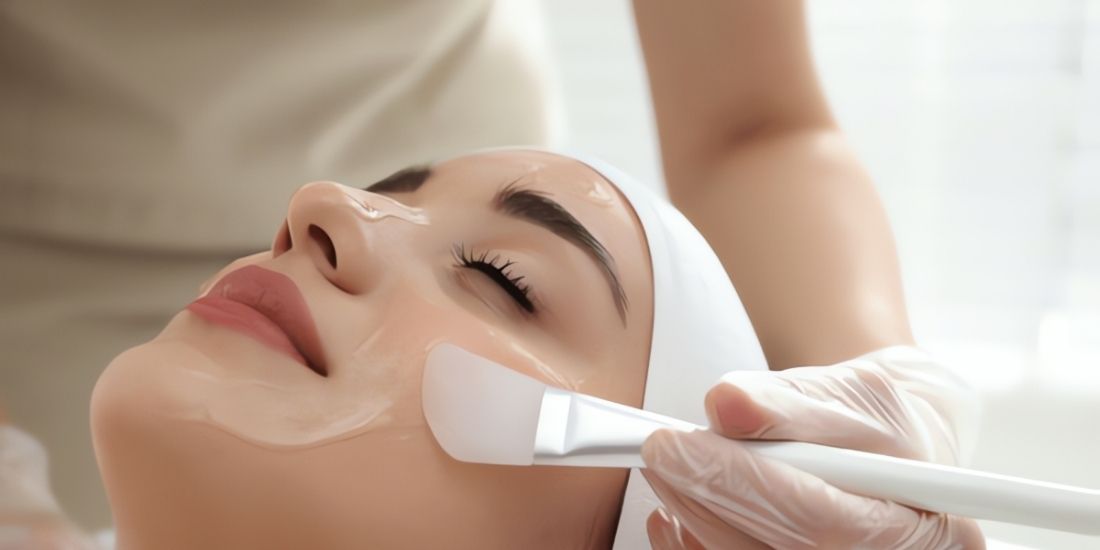
The procedure begins with thorough cleansing followed by precise application of the chemical solution, which may produce a warm tingling sensation during activation. Superficial peels typically cause mild discomfort while deeper skin rejuvenation treatments may involve more intense but manageable sensations. Dermatology Specialist Dr Melda Özekinci monitors patient comfort throughout, adjusting technique as needed for optimal tolerance.
Modern approaches incorporate real-time assessment and neutralizing agents to control penetration depth, ensuring precise targeting of concerns like acne scars or melasma treatment. The procedure typically concludes with application of soothing medical skin care products and detailed aftercare instructions.
Advanced techniques in contemporary non-surgical aesthetics have significantly improved patient comfort during chemical peels. Combination protocols with laser applications or customized personalized skin care routine enhance results while maintaining procedural comfort.
Patients experience a well-managed process that leads to visible improvements in skin texture and tone. To learn more about what to expect during your customized chemical peel treatment, consult with a specialist for transparent guidance through every step of your skin renewal journey.
How Long Does Chemical Peeling Recovery Take
Recovery duration following chemical peeling varies significantly based on treatment depth and individual skin response, making personalized guidance essential for optimal healing. Modern medical aesthetic procedures prioritize techniques that balance efficacy with minimized downtime.
Superficial peels typically involve 1-3 days of mild redness and flaking with no social downtime, while medium-depth treatments may require 5-7 days for complete skin renewal with more noticeable peeling. Deep peels demand the longest recovery of 2-4 weeks but offer dramatic results for severe sun damage treatment and advanced aging concerns.
Dermatology Specialist Dr Melda Özekinci emphasizes evidence-based aftercare protocols including medical skin care products and strict sun spot protection to accelerate healing and maintain results. Advanced approaches incorporate combination therapies with laser applications that can actually reduce overall recovery time while enhancing outcomes.
Contemporary techniques in non-surgical aesthetics focus on progressive skin rejuvenation treatments that prioritize patient convenience without compromising efficacy. This forward-thinking approach ensures patients achieve enhanced skin resilience with predictable recovery timelines.
Proper aftercare leads to smoother recovery and superior long-term results. To receive your personalized recovery timeline and aftercare plan for chemical peeling, consult with a specialist for evidence-based guidance toward achieving your aesthetic goals with confidence.
Who Is A Good Candidate For Chemical Peels
Ideal candidates for chemical peeling are individuals seeking non-surgical solutions for specific dermatological concerns with realistic expectations about outcomes and recovery. This medical aesthetic procedure suits patients looking for evidence-based skin rejuvenation treatments that deliver measurable improvements.
Excellent candidates typically present with concerns including acne and acne scar treatment needs, melasma treatment requirements, sun damage, fine lines, or uneven skin texture. Those with generally healthy skin seeking skin renewal without surgical intervention often achieve outstanding results with proper peel selection.
Dermatology Specialist Dr Melda Özekinci emphasizes comprehensive assessment through aesthetic expectation analysis to determine candidacy, considering factors like skin type, medical history, and lifestyle. Patients committed to pre- and post-treatment medical skin care protocols typically experience optimal outcomes with enhanced skin resilience.
Modern approaches in non-surgical aesthetics have expanded suitable candidate profiles through advanced formulations and combination therapies with laser applications. Even patients with sensitive skin can often benefit from customized peel protocols when properly managed by an experienced specialist.
Determining individual candidacy requires professional evaluation to ensure safety and efficacy. To discover if chemical peeling aligns with your skin goals, consult with a dermatology specialist for personalized assessment and evidence-based treatment recommendations.
Can Chemical Peels Remove Acne Scars
Chemical peels offer a scientifically validated approach to acne scar treatment, effectively addressing various scar types through controlled dermal remodeling and skin renewal. This medical aesthetic procedure stimulates collagen production while smoothing uneven texture and reducing scar visibility.
Medium to deep peels particularly excel at treating rolling and boxcar scars by penetrating to the dermal level where scar tissue resides. Advanced formulations containing trichloroacetic acid or phenol create controlled injury that triggers the body's natural healing response, gradually replacing damaged tissue with healthier skin. Dermatology Specialist Dr Melda Özekinci customizes peel depth and combination protocols based on scar type and skin characteristics.
Modern approaches often integrate chemical peels with complementary laser applications and medical skin care for enhanced results in skin rejuvenation treatments. This multimodal strategy within contemporary non-surgical aesthetics allows for targeted scar improvement while maintaining overall skin health.
Patients experience significant scar refinement with enhanced skin resilience and improved texture through successive treatments. The progressive nature of this approach ensures gradual yet noticeable improvements in acne scarring with manageable downtime.
To explore how chemical peeling can address your specific acne scarring concerns, consult with a specialist for an evidence-based treatment plan. Achieve smoother, more even skin texture through scientifically-backed protocols designed for lasting results and renewed confidence.
How Often Should You Get Chemical Peels
Treatment frequency for chemical peeling varies significantly based on individual skin concerns, peel depth, and desired outcomes within medical dermatology. A personalized approach ensures optimal results while maintaining skin health and safety throughout the treatment journey.
Superficial peels for general skin renewal may be performed every 2-4 weeks, while medium-depth treatments for acne scar treatment or melasma treatment typically require 3-6 month intervals. Deep peels are usually single procedures with long-lasting results, though maintenance sessions might be recommended annually. Dermatology Specialist Dr Melda Özekinci emphasizes that frequency depends on individual skin response and treatment goals.
Modern protocols in non-surgical aesthetics often combine chemical peels with other modalities like laser applications and medical skin care, which can extend intervals between treatments while enhancing overall efficacy. This integrated approach to skin rejuvenation treatments allows for customized scheduling based on progressive improvement.
Regular maintenance peels help sustain enhanced skin resilience and long-term results while adapting to evolving skin needs. The treatment schedule is always tailored to individual tolerance and lifestyle considerations within a comprehensive care plan.
To determine your ideal chemical peel frequency for achieving and maintaining optimal results, consult with a specialist for an evidence-based treatment schedule. Receive personalized guidance that aligns with your skin goals while ensuring safety and effectiveness throughout your aesthetic journey.
What Results Can Chemical Peeling Achieve
Chemical peeling delivers transformative results across multiple dermatological concerns through scientifically proven mechanisms of action. This medical aesthetic procedure achieves significant improvements in skin texture, tone, and overall health with measurable outcomes.
Patients experience visible reduction in acne scars and marked improvement in melasma treatment outcomes through controlled exfoliation and collagen stimulation. The procedure effectively addresses photodamage, fine lines, and uneven pigmentation while promoting comprehensive skin renewal. Dermatology Specialist Dr Melda Özekinci documents consistent achievement of 40-70 percent improvement in targeted concerns based on peel depth and individual response.
Advanced techniques in contemporary non-surgical aesthetics allow for combination approaches with laser applications and medical skin care that enhance overall efficacy. These integrated skin rejuvenation treatments produce synergistic results exceeding what single modalities can achieve alone.
Beyond immediate visible improvements, chemical peels provide long-term benefits including enhanced skin resilience and improved barrier function. The progressive nature of treatment allows for cumulative results that maintain natural facial expression while addressing aging concerns.
To discover the specific results achievable for your skin concerns through chemical peeling, consult with a specialist for an evidence-based assessment. Receive personalized treatment planning that aligns with your aesthetic goals while ensuring measurable, sustainable outcomes.
Are Chemical Peels Better Than Laser
Rather than declaring superiority, contemporary medical dermatology recognizes chemical peels and laser applications as complementary modalities with distinct therapeutic advantages. The choice depends entirely on individual skin concerns, goals, and physiological characteristics within non-surgical aesthetics.
Chemical peels excel in treating widespread textural issues and surface concerns like melasma treatment through controlled chemical exfoliation. Lasers provide precision targeting for specific concerns such as vascular lesions or focused acne scar treatment with concentrated energy delivery. Dermatology Specialist Dr Melda Özekinci typically recommends peels for overall skin renewal and lasers for pinpoint accuracy based on clinical assessment.
Modern practice increasingly combines both modalities in sequenced skin rejuvenation treatments for synergistic effects that neither can achieve alone. This integrated approach within advanced medical aesthetic procedures maximizes results while minimizing downtime and enhancing overall skin resilience.
The decision between these modalities requires professional evaluation of skin type, concern specificity, and desired outcomes. Many patients benefit from a tailored combination approach that addresses both generalized improvement and targeted correction within a comprehensive treatment plan.
To determine the optimal approach for your specific needs, consult with a specialist for an evidence-based assessment. Receive personalized guidance on whether chemical peels, laser treatments, or their combination will best achieve your aesthetic goals with predictable, sustainable results.
How To Choose The Right Chemical Peel
Selecting the appropriate chemical peel requires professional assessment of multiple factors to ensure optimal outcomes within medical dermatology. The ideal choice depends on skin type, specific concerns, and individual tolerance levels rather than a one-size-fits-all approach.
Dermatology Specialist Dr Melda Özekinci emphasizes comprehensive aesthetic expectation analysis to match peel depth and formulation with treatment goals. Superficial peels suit general skin renewal needs, while medium-depth options address acne scar treatment and deeper peels target significant photodamage. Skin sensitivity, ethnic background, and medical history all influence the selection process.
Modern non-surgical aesthetics incorporate advanced assessment tools and combination protocols with laser applications for precision matching. The right peel choice considers not just immediate concerns but also long-term skin rejuvenation treatments goals and maintenance requirements.
Professional evaluation includes analysis of skin condition, discussion of expected outcomes, and consideration of lifestyle factors affecting recovery. This evidence-based approach ensures the selected peel delivers desired results with appropriate enhanced skin resilience and minimal downtime.
To determine the perfect chemical peel for your unique needs, consult with a specialist for personalized assessment. Receive expert guidance on peel selection that aligns with your skin goals while ensuring safety, efficacy, and sustainable aesthetic improvement.
What Is The Cost Of Chemical Peeling
Chemical peel pricing reflects the customized nature of this medical aesthetic procedure, varying based on treatment depth, technique complexity, and individual patient needs. Investment considerations must account for both immediate treatment costs and long-term value within comprehensive skin rejuvenation treatments.
Superficial peels represent the most accessible option for general skin renewal, while medium-depth treatments for concerns like acne scar treatment or melasma treatment involve higher investment reflecting increased expertise and resources. Deep peels require the most significant investment due to their transformative results and extended provider involvement. Dermatology Specialist Dr Melda Özekinci emphasizes transparent pricing that correlates with clinical complexity and expected outcomes.
Modern non-surgical aesthetics often incorporate combination approaches with laser applications and medical skin care, which may affect overall treatment planning and investment. The value proposition extends beyond the procedure itself to include professional assessment, customized formulation, and comprehensive aftercare support.
Patients should consider chemical peeling as an investment in long-term enhanced skin resilience and confidence rather than merely a cosmetic expense. The right treatment plan balances clinical needs with practical considerations to deliver optimal value.
To receive accurate pricing and understand the value of chemical peeling for your specific concerns, consult with a specialist for a personalized assessment. Transparent discussion of costs and expected outcomes ensures informed decision-making aligned with your aesthetic goals.