 English



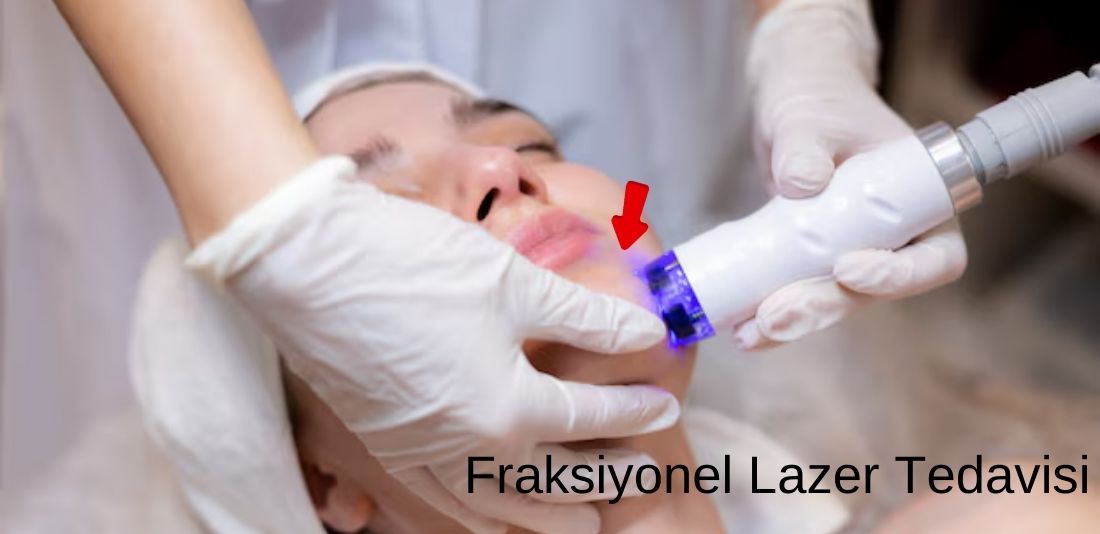
Table of Contents
- What Is Fractional Laser Treatment in Antalya?
- Which Skin Problems Is Fractional Laser Used For?
- How Is Fractional Laser Performed?
- How Many Sessions Does Fractional Laser Treatment Take?
- How Does the Recovery Process After Fractional Laser Go?
- What Are the Risks of Fractional Laser and What Should Be Considered?
- When Is the Best Time for Fractional Laser in Antalya?
- What Determines the Price of Fractional Laser Treatment?
- How Should You Prepare Before Fractional Laser?
- Who Is Fractional Laser Not Suitable For?
- Frequently Asked Questions
What Is Fractional Laser Treatment in Antalya?
Fractional laser is a skin rejuvenation method that works by delivering light not to the entire skin but to specific points in microscopic columns. The intact skin areas left between these points speed up healing, so recovery is shorter than with conventional (full-surface) lasers. The controlled micro-injuries created by the laser start the skin's repair response and stimulate new collagen production.
Fractional lasers fall into two main groups. Ablative lasers (which vaporize skin) are stronger; their effect may be more pronounced but recovery is longer and the risk is higher. Non-ablative lasers affect the skin surface less; recovery is shorter and the effect is generally milder. Which laser is suitable is determined by the dermatologist according to skin type, the type of problem and expectations.
Which Skin Problems Is Fractional Laser Used For?
It is most often preferred to reduce the appearance of acne and chickenpox scars, to improve fine lines and skin texture roughness, to soften the look of enlarged pores and to correct skin quality problems caused by sun damage. In some cases it can also be used to improve the appearance of scars and stretch marks (striae).
Not every skin problem is suitable for fractional laser. Other methods may be needed for deep wrinkles, marked sagging or volume loss; in spot treatment the type of lesion matters, and for some spots laser may worsen them. A diagnosis and evaluation of suitability are therefore needed before treatment.
How Is Fractional Laser Performed?
Before the procedure the dermatologist examines the skin; medication use, allergies, herpes (cold sore) history, previous laser or peel procedures and sun exposure are asked about. On the day of treatment the skin is cleansed, a numbing cream is usually applied to the area and left for a period. The laser is applied in controlled passes over the target area; the duration varies between about 15-45 minutes depending on the area and the device.
Warmth, stinging or burning may be felt during the procedure. This sensation varies with the power of the laser used and the person's pain threshold; saying "no pain is felt at all" is not correct. In more intense (ablative) treatments additional anesthesia methods may be needed, and the doctor makes that decision.
How Many Sessions Does Fractional Laser Treatment Take?
The number of sessions varies with the type of laser used and the goal of treatment. In non-ablative treatments several sessions at intervals of a few weeks are usually planned; in ablative treatments one or a few sessions may be enough but recovery is longer. The exact number and interval are determined individually after the examination.
After each session the skin continues to renew; the collagen response appears within weeks. Therefore sufficient time is allowed before the next session to assess results. Results differ from person to person and the treatment should not be presented as a promise of a permanent result; because sun damage and aging continue, maintenance and protection are needed.
How Does the Recovery Process After Fractional Laser Go?
Recovery time varies with the type of laser. After non-ablative treatments, redness, mild swelling and a dry, rough feeling of the skin usually last a few days. After ablative treatments, marked redness, swelling, oozing, crusting and peeling are seen; these signs can last for days and redness for weeks. The generalization that "you return to daily activities immediately" is therefore not true for every treatment.
During recovery, gentle cleansing, moisturizing and repairing products recommended by the doctor, cold compresses and strict sun protection are needed. Scabs should not be picked, and friction and heat on the area should be avoided. Following the doctor's instructions directly affects both the result and safety.
What Are the Risks of Fractional Laser and What Should Be Considered?
Possible unwanted effects include prolonged redness, infection, cold sore (herpes) flare-ups, scarring and pigment changes. In particular, the risk of post-inflammatory darkening (hyperpigmentation) is higher in darker skin types; laser selection and settings must therefore be made more carefully.
Matters such as procedures done without sun protection, recent intense tanning, isotretinoin (acne medication) use or a recent history of use, active infection, pregnancy and a tendency to keloids must always be reported to the doctor before the procedure. In these cases the procedure may be postponed or a different method chosen.
When Is the Best Time for Fractional Laser in Antalya?
In Antalya, sunlight is intense in summer, and because the skin is sensitive to sun after fractional laser, the risk of pigment change increases. Procedures are therefore usually planned in autumn and winter when the sun is less strong. During recovery, staying away from the beach, sea, pool and direct sun and using a broad-spectrum sunscreen are necessary.
People who want to plan a procedure before a holiday, wedding or important event should allow enough time, taking the recovery period into account. Making this plan together with the doctor prevents unexpected delays and disappointment.
What Determines the Price of Fractional Laser Treatment?
Fractional laser prices vary according to the type of device and laser used, the size of the treated area, the number of sessions, the consumables used and the experience of the clinic or doctor. It is therefore not correct to give a single price online.
When asking about price, it is necessary to ask what the offer includes (numbing cream, check-ups, care products), how many sessions the plan covers and which laser will be used. After the examination by Dermatologist Specialist Dr. Melda Özekinci, a personalized treatment plan and cost information are shared.
How Should You Prepare Before Fractional Laser?
In the period before the procedure it is important to protect against the sun, to avoid tanning beds and intense tanning, and to stop peels, retinoids and similar active products that wear down the skin barrier for the period the doctor recommends. Tell your doctor about the medications you use regularly, cold sore outbreaks you have had and any previous laser, peel or filler treatments. If considered necessary, preventive medication for herpes may be started.
On the day of the procedure the skin should be clean and makeup-free, and there should be no irritation, cuts or active infection in the area. To make recovery easier, it helps to obtain the moisturizer and sunscreen to be used after the procedure in advance and not to keep a heavy outdoor schedule in the first days. All of these preparations positively affect both the result and safety.
Who Is Fractional Laser Not Suitable For?
In the presence of active skin infection, open wounds, an active cold sore (herpes) outbreak, pregnancy and breastfeeding, intense tanning, isotretinoin use or a recent history of use, a tendency to keloid or hypertrophic scars, uncontrolled autoimmune diseases and lesions suspected to be skin cancer, fractional laser should either not be applied at all or be postponed. In addition, if a peel or laser has recently been done in the treatment area, sufficient healing time should be awaited.
The purpose of these limitations is not to expose the person to unnecessary risks. The decision on suitability is always made by the dermatologist after examination, and alternative methods are recommended if needed.
Frequently Asked Questions
Does fractional laser hurt?
Even if a numbing cream is used, warmth, stinging or burning may be felt. The discomfort varies with the power of the laser and the person's pain threshold.
When can I go back to work after fractional laser?
After non-ablative treatments most people can return to normal life within a few days. After ablative treatments recovery takes longer; the doctor determines this period.
Does fractional laser completely remove acne scars?
No. It helps reduce the appearance of scars but complete disappearance cannot be guaranteed. The result varies with the type and depth of the scar.
Can fractional laser be done on dark skin?
It can, but because the risk of pigment change is higher, laser selection and settings must be made carefully and the procedure planned by an experienced dermatologist.
Can I go out in the sun after fractional laser?
Direct sun should be avoided during recovery. When going out, a broad-spectrum sunscreen, a hat and protective clothing should be used.





