 English



Table of Contents
- What Causes A Rash On Your Face
- What Causes A Rash After Showering
- What Causes A Rash On Your Arms
- What Causes A Rash On Your Legs
- What Causes A Rash On Your Neck
- What Causes A Rash That Itches
- What Causes A Rash Without Itching
- What Causes A Rash From Stress
- What Causes A Rash From Allergies
- What Causes A Rash From The Sun
- What Causes A Rash After Waxing
- What Causes A Rash From Sweating
- What Causes A Rash On Your Chest
- What Causes A Rash On Your Back
- What Causes A Rash From Skincare
What Causes A Rash On Your Face
A facial rash often signals underlying inflammation or irritation, requiring precise diagnosis to address causes ranging from contact dermatitis to rosacea and acne rosacea. Identifying triggers through professional assessment is critical, as self-management can exacerbate sensitivity or lead to scarring.
Advanced medical dermatology approaches utilize tools like dermatoscopy to differentiate between benign irritations and conditions requiring intervention, such as actinic keratosis. For reactive skin, targeted treatments like laser spot treatment or chemical peeling reduce redness without compromising skin barrier integrity.
In cases where rashes stem from chronic conditions like eczema or seborrheic dermatitis, personalized protocols combine anti-inflammatory agents with medical skin care to restore balance. For patients with aesthetic concerns post-rash, such as residual redness or textural changes, fractional laser and PRP applications promote regeneration with minimal downtime.
Dermatology Specialist Dr Melda Özekinci emphasizes integrating sun spot protection and barrier repair into daily routines to prevent recurrence, especially after procedures. This proactive approach aligns with preventive dermatology, ensuring sustained skin health beyond immediate symptom resolution.
Addressing facial rashes effectively requires a blend of diagnostic accuracy and tailored intervention, transforming reactive care into long-term resilience. Begin your journey to calm, confident skin by consulting a specialist for a comprehensive evaluation and personalized skin care routine designed to address both medical and aesthetic needs seamlessly.
What Causes A Rash After Showering
Post-shower rashes often stem from sensitive skin reacting to hot water, harsh cleansers, or residual chemicals in hard water, stripping the skin's natural barrier and triggering inflammation. This requires a precise diagnostic approach to differentiate simple irritation from underlying conditions like aquagenic urticaria or eczema flare-ups.
Advanced medical dermatology protocols focus on barrier repair using medical skin care products formulated for reactivity, such as pH-balanced cleansers and ceramide-rich moisturizers applied immediately after bathing. For persistent redness or textural damage, low-irritant procedures like fractional laser can strengthen skin resilience without downtime.
In cases where rashes link to chlorine or mineral sensitivity, Dermatology Specialist Dr Melda Özekinci recommends pre-shower barrier creams and post-shower soothing serums to neutralize irritants. For patients with coexisting conditions like rosacea, targeted laser treatments reduce vascular reactivity long-term.
Integrating preventive dermatology into daily routines—such as lukewarm showers and prompt moisturizing—transforms reactive care into sustained skin health. This proactive stance minimizes recurrence and supports aesthetic goals like even tone and smooth texture.
Resolving shower-induced rashes hinges on personalized strategies that merge immediate relief with lasting barrier fortification. Consult a specialist for a tailored skin care plan that addresses both sensitivity triggers and your broader dermatological wellness, ensuring comfort and confidence after every shower.
What Causes A Rash On Your Arms
Arm rashes frequently arise from diverse triggers including contact dermatitis from irritants, eczema flares, or sun exposure, necessitating accurate diagnosis to prevent chronic issues like lichenification or post-inflammatory hyperpigmentation. A precise clinical assessment distinguishes between allergic reactions, infections, or underlying autoimmune conditions.
Modern medical dermatology employs patch testing to identify specific allergens, while topical immunomodulators and barrier-repair creams address inflammation without steroids. For rashes leaving textural irregularities or discoloration, fractional laser treatments promote even skin renewal with minimal social downtime.
Dermatology Specialist Dr Melda Özekinci emphasizes integrating sun protection and gentle cleansing into daily routines to prevent recurrence, especially for photosensitive or atopic skin. For stubborn pigmentation from healed rashes, targeted laser therapies restore uniform tone safely.
This proactive, evidence-based approach not only resolves active inflammation but also fortifies skin against future triggers, aligning therapeutic and aesthetic goals. Patients achieve resilient, clear skin that supports confidence in daily life.
Addressing arm rashes effectively requires a tailored strategy that combines diagnostic precision with advanced treatment modalities. Schedule a consultation to develop a personalized plan that eliminates irritation and enhances your skin's long-term health and appearance.
What Causes A Rash On Your Legs
Leg rashes present unique diagnostic challenges, often stemming from causes like stasis dermatitis related to circulatory issues, contact allergies from clothing or products, or folliculitis from irritation. Proper identification is crucial as untreated leg rashes can lead to complications including skin infections or permanent hyperpigmentation.
Advanced medical dermatology approaches utilize vascular assessment and patch testing to pinpoint triggers, while targeted treatments like compression therapy for circulatory issues or antibacterial cleansers for folliculitis address root causes. For residual discoloration or textural changes, laser treatments effectively restore skin uniformity.
Dermatology Specialist Dr Melda Özekinci emphasizes that successful leg rash management requires integrating moisture balance and protective skincare into daily routines to prevent recurrence. This comprehensive approach not only resolves inflammation but also improves overall skin barrier function.
Modern treatment protocols focus on minimizing downtime while maximizing results, using non-invasive modalities that combine medical efficacy with aesthetic improvement. Patients achieve both relief from discomfort and enhanced skin appearance.
Effective leg rash resolution demands personalized care that addresses both immediate symptoms and underlying causes. Consult with a specialist to develop a tailored treatment plan that promotes lasting skin health and confidence in your skin's appearance.
What Causes A Rash On Your Neck
Neck rashes often result from contact dermatitis triggered by jewelry, fragrances, or skincare products, or may indicate conditions like atopic eczema or psoriasis in this delicate area. The thin, sensitive skin of the neck requires careful diagnosis to differentiate between allergic reactions, irritant responses, or more complex inflammatory conditions.
Advanced medical dermatology approaches utilize patch testing to identify specific allergens, while employing gentle, targeted therapies that respect the neck's delicate anatomy. For persistent redness or textural changes, low-energy laser treatments and calming topical formulations effectively reduce inflammation without compromising skin integrity.
Dermatology Specialist Dr Melda Özekinci emphasizes that neck rash management requires a balance of barrier repair and trigger avoidance, integrating hypoallergenic skincare into daily routines. For patients concerned about residual discoloration, targeted pigment correction protocols restore uniform skin tone with minimal downtime.
This comprehensive approach addresses both the medical resolution of inflammation and the aesthetic concern of visible neck skin appearance. Modern treatment strategies focus on skin resilience building, preventing recurrence while maintaining the neck's natural aesthetic qualities.
Effective neck rash management requires personalized care that combines diagnostic precision with gentle, effective treatments. Consult with a specialist to develop a tailored approach that resolves irritation and enhances your skin's health and appearance, ensuring comfort and confidence.
What Causes A Rash That Itches
An itchy rash typically indicates histamine release or nerve fiber activation in the skin, commonly stemming from conditions like urticaria, eczema, or allergic contact dermatitis. The intense pruritus not only causes discomfort but can lead to lichenification and secondary infections from scratching, making accurate diagnosis essential.
Modern medical dermatology employs patch testing and blood markers to identify triggers, while advanced topical formulations with barrier-repair ceramides and non-steroidal anti-inflammatories provide relief without thinning skin. For stubborn cases, phototherapy modalities effectively reduce itching through immunomodulation.
Dermatology Specialist Dr Melda Özekinci emphasizes that managing itchy rashes requires addressing both the inflammatory cascade and the itch-scratch cycle through personalized treatment protocols. For patients with post-inflammatory hyperpigmentation from healed rashes, targeted laser therapies restore skin uniformity.
This comprehensive approach not only provides immediate symptomatic relief but also focuses on long-term skin resilience through barrier strengthening regimens. Patients achieve both comfort from itching and improved aesthetic outcomes with minimal treatment downtime.
Effective management of itchy rashes requires a tailored diagnostic and therapeutic strategy that addresses both immediate relief and underlying causes. Consult with a specialist to develop a personalized plan that eliminates discomfort and enhances your skin's health and appearance.
What Causes A Rash Without Itching
Non-pruritic rashes present unique diagnostic challenges as the absence of itching often points to specific conditions like pityriasis rosea, secondary syphilis, or certain drug eruptions rather than typical allergic responses. These rashes require thorough evaluation as they may indicate systemic involvement or underlying medical conditions needing immediate attention.
Advanced medical dermatology utilizes dermatoscopic examination and laboratory testing to differentiate between benign causes and more serious conditions. For cosmetic concerns arising from non-itchy rashes, such as persistent discoloration or textural changes, targeted laser therapies and medical-grade peels provide effective resolution with minimal downtime.
Dermatology Specialist Dr Melda Özekinci emphasizes that non-itchy rash management requires comprehensive diagnostic precision to rule out systemic associations. Once medically cleared, aesthetic corrections can address any residual skin changes using non-invasive modalities that preserve skin integrity.
This integrated approach ensures both medical safety and aesthetic satisfaction, focusing on complete skin health rather than symptomatic treatment alone. Patients benefit from personalized protocols that address the rash's cause while maintaining optimal skin appearance and long-term resilience.
Proper management of non-itchy rashes requires expert evaluation to ensure both medical appropriateness and aesthetic outcomes. Schedule a consultation to receive comprehensive care that addresses your skin's health while preserving its natural appearance and vitality.
What Causes A Rash From Stress
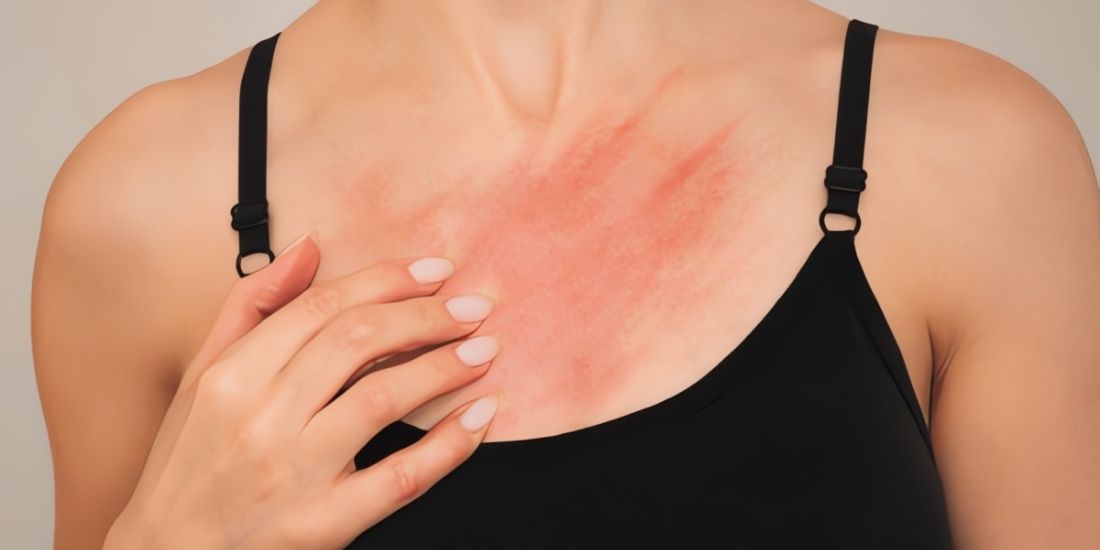
Stress-induced rashes manifest through complex neuroimmunological pathways where cortisol and neurotransmitter fluctuations trigger mast cell activation and inflammatory responses. These often present as urticaria or eczema flares, particularly in individuals with underlying atopic predisposition.
Modern medical dermatology addresses stress rashes through dual approaches: anti-inflammatory protocols to control immediate symptoms and stress modulation techniques to prevent recurrence. For persistent lesions, low-level laser therapy reduces inflammation while barrier repair formulations restore skin integrity.
Dermatology Specialist Dr Melda Özekinci emphasizes that effective management requires addressing both the psychodermatological connection and visible skin manifestations. Incorporating adaptogenic skincare and mindfulness practices alongside medical treatment enhances skin resilience against stress triggers.
For patients concerned about residual post-inflammatory changes, targeted pigment correction and texture refinement procedures restore skin uniformity with minimal intervention. This comprehensive approach transforms stress response from a skin liability to an opportunity for enhanced dermatological health.
Managing stress-related rashes effectively requires personalized strategies that bridge dermatological science and lifestyle adaptation. Consult with a specialist to develop an integrated approach that controls flare-ups while building your skin's long-term capacity to withstand stress, ensuring both comfort and confidence.
What Causes A Rash From Allergies
Allergic rashes result from immune hypersensitivity reactions where mast cells release histamine and other mediators upon exposure to triggers like contact allergens, foods, or environmental factors. These reactions typically manifest as urticaria or allergic contact dermatitis, characterized by redness, swelling, and intense pruritus that can significantly impact quality of life.
Advanced medical dermatology utilizes patch testing and allergen-specific IgE testing to identify precise triggers, enabling targeted avoidance strategies. For acute management, non-sedating antihistamines and topical calcineurin inhibitors provide relief without steroid-related side effects.
Dermatology Specialist Dr Melda Özekinci emphasizes that comprehensive care extends beyond immediate symptom control to include barrier function restoration and immune modulation. For patients with residual post-inflammatory hyperpigmentation or textural changes, fractional laser treatments and medical-grade peels restore skin uniformity.
This integrated approach not only addresses the allergic response but also focuses on long-term skin resilience through personalized skincare regimens that strengthen the epidermal barrier. Patients achieve both symptom freedom and improved aesthetic outcomes with minimal treatment downtime.
Effective management of allergic rashes requires precise identification of triggers and comprehensive treatment strategies. Schedule a consultation to develop a personalized plan that controls allergic responses while enhancing your skin's natural defense mechanisms and appearance.
What Causes A Rash From The Sun
Sun-induced rashes typically result from phototoxic reactions or photoallergic responses where UV radiation interacts with skin components or topical products, triggering inflammatory cascades. These reactions often manifest as polymorphous light eruption or solar urticaria, particularly in individuals with photosensitive skin conditions.
Advanced medical dermatology employs phototesting to identify specific UV reactivity patterns and patch testing to detect photoallergens. For acute management, anti-inflammatory protocols and barrier repair strategies calm reactivity while restoring skin integrity.
Dermatology Specialist Dr Melda Özekinci emphasizes that comprehensive sun rash management requires photoprotection education and UV avoidance strategies tailored to individual sensitivity levels. For patients with residual hyperpigmentation or textural damage, fractional laser treatments and targeted depigmenting agents restore skin uniformity.
This proactive approach not only addresses immediate photodamage but also focuses on building long-term photoresilience through antioxidant protection and DNA repair enzymes. Patients achieve both symptom control and improved aesthetic outcomes with minimal intervention.
Effective management of sun-related rashes requires personalized photoprotection and treatment strategies. Consult with a specialist to develop a comprehensive plan that controls photosensitivity while enhancing your skin's natural defense against UV damage and maintaining its healthy appearance.
What Causes A Rash After Waxing
Post-waxing rashes typically result from mechanical trauma to hair follicles and surrounding skin, often compounded by heat irritation and potential allergic reactions to wax components. These inflammatory responses can manifest as folliculitis, contact dermatitis, or pseudofolliculitis barbae in sensitive individuals.
Advanced medical dermatology approaches utilize anti-inflammatory protocols with barrier repair formulations to calm immediate reactivity and prevent secondary infections. For persistent cases, low-level laser therapy reduces inflammation while promoting skin recovery without additional trauma.
Dermatology Specialist Dr Melda Özekinci emphasizes that effective management requires addressing both the acute reaction and underlying skin sensitivity through personalized pre-wax preparation and post-wax care regimens. For patients experiencing post-inflammatory hyperpigmentation, targeted depigmenting agents and gentle exfoliation restore skin uniformity.
This comprehensive approach not only resolves immediate discomfort but also focuses on building long-term skin resilience through strengthened barrier function. Patients achieve both symptom relief and improved aesthetic outcomes, enabling continued hair removal with minimized reactions.
Proper management of post-waxing reactions requires expert guidance to balance effective hair removal with skin health preservation. Schedule a consultation to develop a personalized strategy that maintains smooth skin while preventing inflammatory responses and preserving your skin's natural appearance.
What Causes A Rash From Sweating
Sweat-induced rashes primarily result from occluded pores and irritant dermatitis caused by prolonged moisture exposure, often manifesting as miliaria rubra or heat rash. The combination of sweat, friction, and bacterial proliferation disrupts the skin barrier, triggering inflammatory responses that can range from mild redness to painful pustules.
Advanced medical dermatology approaches utilize barrier repair therapies and anti-inflammatory formulations to calm acute reactions while preventing secondary infections. For persistent cases, low-energy laser treatments reduce inflammation and promote skin recovery without additional irritation.
Dermatology Specialist Dr Melda Özekinci emphasizes that effective management requires addressing both sweat control and skin protection through personalized preventive strategies. For patients experiencing post-inflammatory hyperpigmentation, targeted depigmenting agents and gentle exfoliation restore skin uniformity.
This comprehensive approach not only resolves immediate discomfort but also focuses on building long-term sweat tolerance through strengthened epidermal defense. Patients achieve both symptom relief and improved aesthetic outcomes, enabling active lifestyles without reactive limitations.
Proper management of sweat-related rashes requires expert guidance to maintain skin health during physical activity. Schedule a consultation to develop a personalized strategy that controls sweat reactions while preserving your skin's natural resilience and appearance.
What Causes A Rash On Your Chest
Chest rashes often stem from contact dermatitis triggered by fabrics, detergents, or personal care products, or may indicate conditions like pityriasis rosea or fungal infections in this sebum-rich area. The chest's unique skin anatomy and frequent clothing contact require careful differential diagnosis to distinguish between allergic reactions, infections, or inflammatory conditions.
Advanced medical dermatology utilizes patch testing and KOH examination to identify specific triggers, while employing targeted anti-inflammatory protocols and antifungal agents when appropriate. For persistent discoloration or textural changes post-rash, fractional laser treatments promote even skin renewal.
Dermatology Specialist Dr Melda Özekinci emphasizes that chest rash management requires addressing both trigger avoidance and barrier reinforcement through personalized skincare regimens. For patients concerned about residual hyperpigmentation or scarring, medical-grade depigmenting agents and microneedling provide effective correction.
This comprehensive approach not only resolves active inflammation but also focuses on building long-term skin resilience against recurrent triggers. Patients achieve both clinical resolution and improved aesthetic outcomes with treatments tailored to the chest's delicate yet visible nature.
Effective management of chest rashes requires expert diagnosis and personalized treatment strategies. Schedule a consultation to develop a targeted approach that eliminates irritation while enhancing your skin's health and appearance for lasting comfort and confidence.
What Causes A Rash On Your Back
Back rashes frequently originate from occlusive factors like tight clothing, sweat accumulation, or bacterial proliferation in hard-to-reach areas, often presenting as folliculitis or acne mechanica. The back's thick skin and numerous sebaceous glands create an environment prone to inflammatory reactions that require precise differentiation from fungal infections or allergic responses.
Advanced medical dermatology employs culture tests and dermatoscopic examination to identify causative agents, while implementing targeted antimicrobial therapies and anti-inflammatory protocols. For persistent post-inflammatory changes, fractional laser treatments and medical peels effectively address textural irregularities and hyperpigmentation.
Dermatology Specialist Dr Melda Özekinci emphasizes that successful back rash management requires combining therapeutic interventions with preventive strategies including proper hygiene and breathable fabrics. For patients with residual scarring or discoloration, microneedling protocols and targeted light therapies restore skin uniformity.
This comprehensive approach not only resolves active inflammation but also focuses on building long-term skin resilience through barrier strengthening regimens. Patients achieve both clinical resolution and improved aesthetic outcomes with treatments adapted to the back's unique anatomical challenges.
Effective management of back rashes requires expert diagnosis and personalized treatment planning. Schedule a consultation to develop a targeted approach that addresses both the inflammatory process and aesthetic concerns for lasting skin health and confidence.
What Causes A Rash From Skincare
Skincare-induced rashes typically result from ingredient sensitivity or product incompatibility, manifesting as allergic contact dermatitis or irritant reactions that compromise the skin barrier. These reactions often occur due to fragrance compounds, preservatives, or active ingredients exceeding individual tolerance thresholds, requiring precise identification to prevent chronic inflammation.
Advanced medical dermatology utilizes patch testing to pinpoint specific allergens while implementing barrier repair protocols with ceramide-rich formulations and non-irritant actives. For persistent reactivity, low-level laser therapy calms inflammation while promoting cellular recovery without additional chemical exposure.
Dermatology Specialist Dr Melda Özekinci emphasizes that effective management requires transitioning to hypoallergenic formulations and implementing gradual product introduction strategies. For patients experiencing post-inflammatory hyperpigmentation or textural damage, gentle laser treatments and medical-grade reparative serums restore skin integrity.
This evidence-based approach not only resolves immediate reactions but focuses on building long-term product tolerance through skin resilience training. Patients achieve both reaction-free skincare use and improved aesthetic outcomes with personalized regimens that respect individual sensitivity profiles.
Proper management of skincare reactions requires expert guidance to balance efficacy with compatibility. Schedule a consultation to develop a personalized product strategy that maintains skincare benefits while preventing inflammatory responses and preserving your skin's health.