 English



Table of Contents
- What Are The First Signs Of Rosacea
- How To Treat Rosacea Redness Effectively
- What Triggers Rosacea Flare-Ups
- Can Rosacea Be Cured Permanently
- How To Soothe Rosacea Skin At Home
- What Is The Best Treatment For Rosacea
- How Long Does Rosacea Treatment Take
- Does Laser Help With Rosacea Symptoms
- How To Reduce Rosacea Bumps And Pustules
- What Skincare Is Safe For Rosacea
- How To Cover Rosacea With Makeup
- Is Rosacea Linked To Gut Health
- Can Diet Improve Rosacea Symptoms
- What Causes Rosacea To Worsen
- How To Prevent Rosacea Flare-Ups
What Are The First Signs Of Rosacea
Recognizing the first signs of rosacea early is crucial for effective management, as this chronic inflammatory condition often begins subtly with persistent facial redness or flushing that patients may initially dismiss as sensitivity or sunburn. This early intervention can prevent progression to more severe symptoms like visible blood vessels or bumps, making professional assessment by a dermatology specialist essential for accurate diagnosis and personalized care.
Beyond baseline redness, early indicators include a stinging or burning sensation, dry or swollen skin, and small vascular lesions that resemble acne but lack blackheads. Dermatology Specialist Dr. Melda Özekinci emphasizes that these signs require clinical dermatology expertise to differentiate from other conditions, ensuring treatments like topical therapies or low-intensity laser applications are tailored to soothe inflammation and strengthen skin barrier function without downtime.
Advanced non-surgical aesthetics integrate seamlessly here, with modalities such as fractional laser targeting redness while promoting collagen for enhanced resilience. Combining medical-grade skin care with in-clinic procedures addresses both symptoms and underlying sensitivity, offering patients a path to sustained comfort and confidence through evidence-based protocols.
Proactive management transforms outcomes, reducing flare-ups and preventing permanent changes like skin thickening. Begin your journey to calmer skin by consulting with an experienced specialist to develop a personalized treatment plan that aligns with your skin’s unique needs and lifestyle, ensuring long-term vitality and clarity.
How To Treat Rosacea Redness Effectively
Effectively managing persistent rosacea redness requires a dual approach that combines medical-grade anti-inflammatory strategies with advanced technologies designed to restore skin integrity. This condition stems from vascular hyperactivity and inflammation, demanding treatments that go beyond superficial cover-ups to deliver lasting skin rejuvenation and calm.
The foundation of effective care begins with a precise diagnosis from a dermatology specialist, who can prescribe targeted topical agents to reduce baseline redness and sensitivity. Dermatology Specialist Dr. Melda Özekinci often integrates these with in-clinic laser applications, such as vascular-specific wavelengths, to safely eliminate visible blood vessels with minimal downtime and maximal comfort for the patient.
For broader redness and inflammation, innovative non-surgical aesthetics like fractional laser and PRP applications work synergistically to strengthen the skin barrier and reduce reactivity. These procedures, combined with a personalized skin care routine, help patients achieve a more even complexion and enhanced resilience against environmental triggers.
Commitment to a structured treatment plan transforms skin health, reducing flare frequency and restoring confidence. To explore a tailored approach for your skin, schedule a consultation to develop a strategy that addresses your specific redness concerns with proven, effective solutions.
What Triggers Rosacea Flare-Ups
Understanding what triggers rosacea flare-ups is fundamental to controlling this chronic condition, as avoiding precipitants can significantly reduce inflammation and persistent facial redness. Common catalysts include thermal extremes, spicy foods, alcohol, stress, and certain skincare products that compromise the skin barrier.
A dermatology specialist helps patients identify their unique triggers through detailed history-taking and sometimes diary tracking. Dermatology Specialist Dr. Melda Özekinci emphasizes that this personalized approach is the first step in creating an effective management plan, which is crucial for preventing progression and maintaining skin rejuvenation.
Even with diligent avoidance, flare-ups may occur, necessitating advanced clinical dermatology interventions. Soothing laser applications can calm vascular reactivity, while medical skin care products fortified with barrier-repair ingredients help increase the skin's resilience against environmental assaults.
Combining trigger management with in-clinic non-surgical aesthetics and a tailored personalized treatment plan offers the best strategy for long-term control and sustained confidence. To identify your specific triggers and build a robust defense for your skin, consult with a specialist to begin your journey toward lasting calm and clarity.
Can Rosacea Be Cured Permanently
While rosacea is a chronic condition without a permanent cure, modern medical dermatology offers highly effective control strategies that can minimize symptoms indefinitely. The goal shifts from eradication to achieving long-term remission through personalized management plans that address both vascular and inflammatory components of the disease.
Under the care of a skilled dermatology specialist, patients can experience extended symptom-free periods. Dermatology Specialist Dr. Melda Özekinci combines evidence-based topical and oral medications with advanced laser applications that target visible blood vessels and reduce background inflammation, creating cumulative improvements in skin health.
Innovative non-surgical aesthetics play a crucial role in maintenance, with fractional laser treatments and medical skin care protocols working to strengthen the skin barrier against triggers. These approaches, combined with trigger avoidance and proper sun protection, enable patients to maintain clear skin with minimal flare-ups.
Consistent management transforms rosacea from a disruptive condition to a manageable aspect of skin health, providing sustained confidence and comfort. Begin your journey toward lasting control by consulting with a specialist to develop a comprehensive personalized treatment plan tailored to your skin's unique needs and lifestyle.
How To Soothe Rosacea Skin At Home
Effective at-home care for rosacea skin begins with gentle cleansing using lukewarm water and fragrance-free products that protect the compromised skin barrier. Immediate soothing can be achieved with cool compresses and avoiding known triggers like hot beverages, spicy foods, and extreme temperatures that provoke facial redness and flushing.
A consistent personalized skin care routine using medical-grade products with ingredients like azelaic acid, niacinamide, and ceramides helps reduce inflammation and rebuild skin resilience. Dermatology Specialist Dr. Melda Özekinci emphasizes that proper sun protection with mineral-based SPF is non-negotiable, as UV exposure is among the most common triggers for flare-ups and progressive damage.
While home care provides essential daily management, professional clinical dermatology interventions remain crucial for comprehensive control. In-clinic laser applications and medical aesthetic procedures address underlying vascular and inflammatory components that home care cannot reach, creating synergistic effects for lasting calm.
Combining disciplined home care with professional treatments offers the most effective path to managing rosacea symptoms and maintaining skin health. For a personalized treatment plan that integrates both approaches, consult with a dermatology specialist to develop strategies tailored to your skin's unique needs and sensitivity profile.
What Is The Best Treatment For Rosacea
The best treatment for rosacea is not a single solution but a comprehensive personalized treatment plan tailored to the individual's subtype, severity, and triggers. This approach combines medical therapies with advanced technologies to address both vascular inflammation and skin barrier dysfunction, providing lasting control rather than temporary relief.
Medical management typically begins with prescription topicals like ivermectin or azelaic acid to reduce papules and pustules, while oral medications may control severe inflammation. Dermatology Specialist Dr. Melda Özekinci integrates these with in-clinic laser applications that target persistent facial redness and visible blood vessels with precision and minimal downtime.
For optimal results, non-surgical aesthetics like fractional laser and intense pulsed light work synergistically with medical treatments to improve skin texture and resilience. These are complemented by a disciplined medical skin care routine that maintains results between professional sessions and protects against environmental triggers.
This multi-modal strategy delivers transformative outcomes, reducing flare frequency and restoring skin confidence through evidence-based protocols. To discover the most effective combination for your rosacea, consult with a dermatology specialist for a tailored approach that addresses your unique symptoms and lifestyle needs.
How Long Does Rosacea Treatment Take
The timeline for rosacea treatment varies significantly based on individual factors including subtype severity and treatment adherence, though most patients notice initial improvements within 4-8 weeks of consistent therapy. This chronic condition requires a long-term management perspective rather than expecting immediate permanent resolution, with optimal results typically emerging over 3-6 months of dedicated care.
Medical interventions like prescription topicals often show first effects in reducing facial redness and inflammation within the first month, while laser applications for vascular components may require 2-4 sessions spaced monthly for maximal effect. Dermatology Specialist Dr. Melda Özekinci emphasizes that combination approaches accelerate outcomes, integrating medical skin care with in-clinic procedures for cumulative benefits.
Advanced non-surgical aesthetics like fractional laser not only address active symptoms but also work progressively to enhance skin rejuvenation and barrier function over several months. Maintenance therapy remains essential for sustained results, with periodic touch-ups and consistent home care preventing regression and maintaining achieved improvements.
Patience and consistency with a personalized treatment plan yield the most rewarding outcomes, transforming skin health and confidence through structured professional guidance. Begin your journey toward lasting improvement by consulting with a dermatology specialist to establish realistic expectations and a timeline tailored to your specific rosacea presentation.
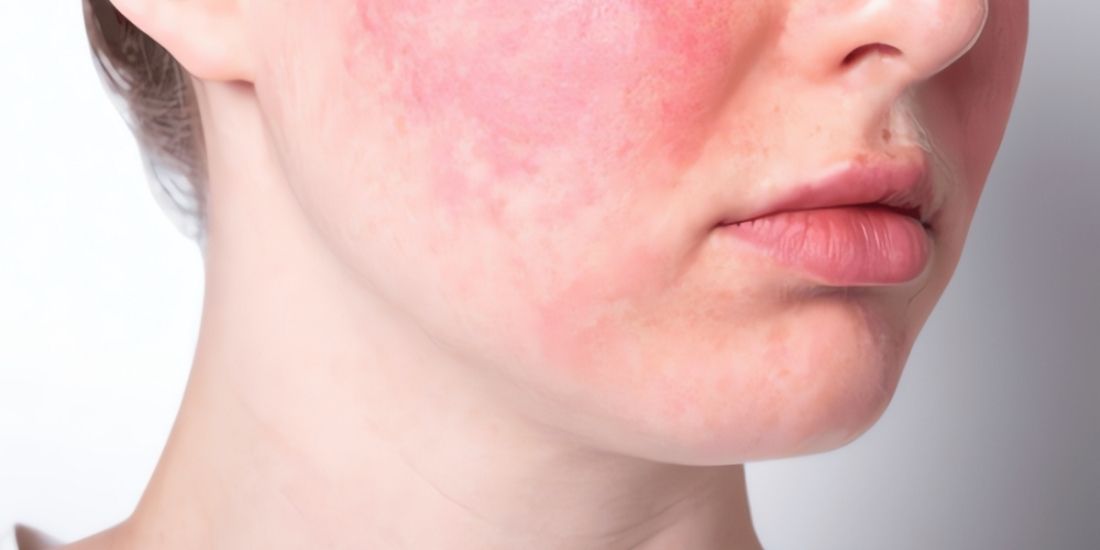
Does Laser Help With Rosacea Symptoms
Laser therapy represents one of the most effective interventions for managing rosacea symptoms, particularly for addressing persistent facial redness and visible blood vessels that topical treatments cannot fully resolve. Advanced laser applications specifically target hemoglobin in dilated vessels, selectively heating and collapsing them without damaging surrounding tissue, resulting in significant redness reduction.
Dermatology Specialist Dr. Melda Özekinci utilizes vascular-specific lasers like pulsed dye and Nd:YAG technologies that offer precise control over energy delivery, minimizing discomfort and downtime while maximizing efficacy. These treatments are often integrated with non-surgical aesthetics approaches such as fractional laser to simultaneously improve skin texture and barrier function, addressing both vascular and inflammatory components of rosacea.
Clinical studies demonstrate that combination therapy incorporating laser treatments with medical management provides superior outcomes compared to either approach alone. Patients typically require 2-4 sessions spaced 4-6 weeks apart for optimal results, with maintenance treatments helping to sustain achieved improvements in skin appearance and comfort.
The strategic use of laser technology within a comprehensive personalized treatment plan can transform rosacea management, offering long-lasting relief from troublesome symptoms. To determine if laser treatment is appropriate for your specific condition, consult with a dermatology specialist who can tailor the approach to your skin's needs and treatment goals.
How To Reduce Rosacea Bumps And Pustules
Effectively reducing rosacea bumps and pustules requires targeting the underlying inflammatory and microbial components that drive these papulopustular eruptions. Unlike acne, these lesions lack comedones and respond best to anti-inflammatory and demodectic management rather than traditional acne treatments, making accurate diagnosis by a dermatology specialist essential.
First-line medical therapy typically involves prescription topicals like ivermectin or azelaic acid that reduce Demodex mite populations and calm inflammation within weeks. For more persistent cases, Dermatology Specialist Dr. Melda Özekinci may incorporate oral antibiotics like doxycycline in anti-inflammatory doses or combine these with advanced laser applications that target both vascular redness and inflammatory lesions simultaneously.
Innovative non-surgical aesthetics like fractional laser and blue light therapy work synergistically with medical treatments to improve skin texture and reduce lesion recurrence. These are complemented by a medical skin care routine using non-comedogenic, barrier-repair formulations that maintain results between professional treatments.
This multi-modal approach delivers rapid improvement in bump and pustule clearance while preventing new lesion formation, restoring skin smoothness and confidence. To develop a targeted strategy for your papulopustular rosacea, consult with a specialist for a personalized treatment plan that addresses both active lesions and underlying triggers.
What Skincare Is Safe For Rosacea
Safe skincare for rosacea prioritizes gentle, non-irritating formulations that strengthen the compromised skin barrier while avoiding common triggers like alcohol, fragrance, and abrasive exfoliants. The foundation consists of pH-balanced cleansers, ceramide-rich moisturizers, and mineral-based sunscreens that protect against environmental aggressors without provoking facial redness or inflammation.
Medical-grade products containing niacinamide, azelaic acid, and thermal spring water provide therapeutic benefits while maintaining skin comfort. Dermatology Specialist Dr. Melda Özekinci emphasizes that a personalized skin care regimen should be developed under professional guidance, as individual tolerance varies significantly among rosacea patients based on subtype and sensitivity levels.
Beyond daily maintenance, clinical treatments enhance skincare efficacy through advanced non-surgical aesthetics like fractional laser that improve product penetration and skin resilience. Combining professional laser applications with appropriate home care creates synergistic effects, allowing active ingredients to work more effectively while minimizing irritation potential.
This integrated approach transforms reactive skin into resilient tissue, reducing flare frequency and maintaining treatment results between professional sessions. For a personalized treatment plan including product recommendations tailored to your specific needs, consult with a dermatology specialist to establish a safe and effective skincare protocol.
How To Cover Rosacea With Makeup
Effectively covering rosacea with makeup requires strategic product selection and application techniques that conceal facial redness without exacerbating sensitivity or compromising the skin barrier. Green-tinted color correctors neutralize redness when applied sparingly beneath foundation, while mineral-based formulations provide coverage without clogging pores or causing irritation.
Dermatology Specialist Dr. Melda Özekinci recommends non-comedogenic, fragrance-free products that align with a medical skin care approach, as harsh ingredients can trigger flare-ups. Proper makeup removal is equally crucial, requiring gentle cleansing methods that preserve the skin's protective barrier while ensuring complete product removal to prevent inflammation.
While cosmetic coverage provides immediate confidence, long-term management through clinical dermatology interventions reduces the need for heavy makeup. Advanced laser applications and non-surgical aesthetics treatments address underlying vascular components, gradually minimizing redness and creating a more even complexion that requires less coverage.
Combining temporary cosmetic solutions with professional treatments offers the most comprehensive approach to managing rosacea's appearance. For a personalized treatment plan that includes both immediate coverage strategies and long-term improvement, consult with a dermatology specialist to achieve natural-looking results without compromising skin health.
Is Rosacea Linked To Gut Health
Emerging research confirms a significant connection between rosacea and gut health, with studies demonstrating higher prevalence of gastrointestinal conditions like SIBO and IBD among patients. This gut-skin axis involves systemic inflammation, immune dysregulation, and microbial imbalances that can manifest as facial inflammation and vascular reactivity, making comprehensive assessment essential for effective management.
Dermatology Specialist Dr. Melda Özekinci incorporates gut health evaluation into clinical dermatology practice, recognizing that addressing digestive issues can enhance treatment response. This holistic approach may include dietary modifications, probiotic supplementation, or collaboration with gastroenterology specialists alongside conventional rosacea treatment protocols for more comprehensive results.
While gut health optimization supports internal balance, advanced non-surgical aesthetics like laser applications address external manifestations directly. This dual approach manages both systemic triggers and visible facial redness, creating synergistic effects that improve skin resilience and reduce flare frequency through evidence-based protocols.
Integrating gut health management with dermatological care offers a more complete solution for stubborn rosacea cases, potentially enhancing treatment efficacy and longevity. For a personalized treatment plan that considers both internal and external factors, consult with a dermatology specialist to develop a comprehensive strategy addressing your unique presentation and needs.
Can Diet Improve Rosacea Symptoms
Dietary modifications can significantly influence rosacea symptoms by reducing inflammatory triggers and supporting skin barrier function, though individual responses vary considerably. Common dietary triggers include spicy foods, alcohol, hot beverages, and histamine-rich foods that can provoke facial redness and flushing through neurovascular and inflammatory pathways.
Dermatology Specialist Dr. Melda Özekinci incorporates nutritional guidance into comprehensive rosacea treatment plans, emphasizing anti-inflammatory foods like omega-3 fatty acids and antioxidants while identifying personal triggers through elimination protocols. This dietary approach works synergistically with medical therapies, enhancing their effectiveness and potentially reducing medication requirements for some patients.
While diet management addresses internal triggers, advanced non-surgical aesthetics like laser applications target external manifestations directly. This combination approach allows for comprehensive management of both systemic and visible components, improving overall skin rejuvenation and resilience through coordinated internal and external strategies.
Integrating evidence-based dietary modifications with professional dermatological care offers a powerful approach to managing rosacea more effectively. For a personalized treatment plan that includes nutritional guidance tailored to your specific triggers, consult with a dermatology specialist to develop a comprehensive strategy for lasting symptom control.
What Causes Rosacea To Worsen
Multiple factors can cause rosacea to worsen, with common triggers including ultraviolet exposure, extreme temperatures, spicy foods, alcohol, stress, and harsh skincare products that compromise the skin barrier. These elements provoke vascular dilation and inflammatory responses that intensify facial redness and can lead to disease progression if not properly managed through avoidance strategies.
Dermatology Specialist Dr. Melda Özekinci identifies that inadequate treatment or inconsistent care often contributes to worsening symptoms, emphasizing the importance of sustained medical dermatology management. Underlying factors like hormonal fluctuations, gastrointestinal issues, or Demodex mite overpopulation may also exacerbate conditions, requiring comprehensive evaluation beyond surface-level symptom management.
Advanced non-surgical aesthetics like laser applications help counteract worsening symptoms by targeting dilated vessels and reducing background inflammation. When combined with trigger avoidance and proper medical skin care, these interventions can interrupt the cycle of flare-ups and prevent progressive skin changes.
Proactive management of exacerbating factors transforms rosacea from a progressively worsening condition to one that remains stable and controlled. To identify your specific triggers and develop preventive strategies, consult with a dermatology specialist for a personalized treatment plan that addresses both prevention and intervention.
How To Prevent Rosacea Flare-Ups
Preventing rosacea flare-ups requires a proactive approach combining trigger avoidance, consistent skincare, and professional interventions that strengthen skin resilience against environmental and internal provocations. Key preventive measures include rigorous sun protection, temperature regulation, and identifying personal dietary triggers that commonly provoke facial redness and inflammation.
Dermatology Specialist Dr. Melda Özekinci emphasizes that maintaining a robust skin barrier through appropriate medical skin care is fundamental to prevention, using non-irritating products that support rather than compromise barrier function. Regular clinical dermatology follow-ups allow for ongoing assessment and adjustment of prevention strategies, ensuring they remain effective as skin conditions and environmental factors change over time.
Advanced non-surgical aesthetics like maintenance laser applications provide proactive treatment that reduces vascular reactivity and inflammation before flare-ups occur. These preventive treatments, combined with stress management techniques and trigger diaries, create a comprehensive defense system that minimizes both the frequency and severity of rosacea episodes.
This preventive approach transforms rosacea management from reactive to proactive, significantly improving quality of life and skin appearance. To develop your personalized prevention strategy, consult with a dermatology specialist for a tailored personalized treatment plan that addresses your specific triggers and skin needs.