 English



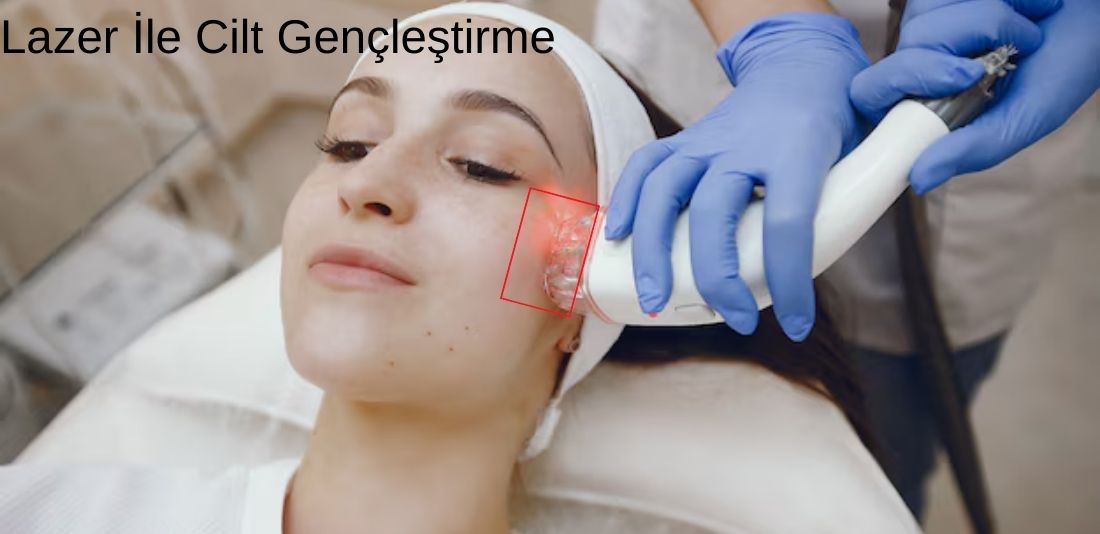
Table of Contents
- What Is Laser Skin Rejuvenation?
- Which Types of Laser Are Used in Skin Rejuvenation?
- Which Skin Problems Is Laser Used For?
- Who Is Laser Skin Rejuvenation Suitable For?
- How Is Laser Skin Rejuvenation Performed?
- When and How Much Are Results Seen?
- What Should the Recovery Process and Aftercare Look Like?
- What Are the Risks of Laser Skin Rejuvenation?
- When and With Whom Should You Book Laser Rejuvenation in Antalya?
- How Should You Prepare Before Laser Treatment?
- Frequently Asked Questions
What Is Laser Skin Rejuvenation?
Laser skin rejuvenation is the general name for a group of procedures in which laser light of specific wavelengths is applied to the skin in a controlled way to improve the surface, texture and color tone of the skin. The laser's energy creates heat in the skin tissue; this heat starts the skin's repair response and stimulates new collagen and elastic fiber production. As a result, fine lines, tissue irregularities from sun damage, the look of pores and some scars may become less noticeable.
The important point here is that the term "laser rejuvenation" does not describe a single procedure. The device, wavelength, energy level and technique used lead to very different results and recovery processes. The choice of procedure should therefore be made by the dermatologist according to skin type and goal.
Which Types of Laser Are Used in Skin Rejuvenation?
Ablative lasers (for example CO2 or Er:YAG) vaporize the upper layers of the skin in a controlled manner. Their effects can be more pronounced; in return, recovery is long and the risk is higher. Non-ablative lasers, on the other hand, affect the skin surface less and heat deeper layers; recovery is short and the effect is generally milder. The fractional technique is the application of these lasers in microscopic dots on the skin surface and speeds healing.
Picosecond or Q-switched lasers can be used for pigment spots, vascular lasers for redness from blood vessels, and light-based systems (IPL, which is not a laser) for skin tone and superficial sun damage. Which device is suitable for which problem is determined according to skin type and the patient's goal.
Which Skin Problems Is Laser Used For?
Laser rejuvenation is used to improve the appearance of problems such as fine lines, roughness of skin texture, acne and chickenpox scars, enlarged pores, dull and tired skin, sun spots and superficial vessel dilation. In some cases it can also be planned to reduce the appearance of scars and stretch marks.
Deep wrinkles, marked sagging, volume loss and expression lines cannot be fully removed by laser alone; different options such as botulinum toxin, fillers or surgical methods may be needed for these problems. An examination of the skin before treatment is necessary to choose the right method.
Who Is Laser Skin Rejuvenation Suitable For?
One of the most important factors determining suitability is skin type. The risk is lower in fair-skinned people; in dark and olive skin the risk of post-inflammatory darkening (hyperpigmentation) and lightening is higher. Therefore, instead of generalizations such as "fair and medium skin is suitable, dark skin is difficult", the device and settings must be chosen individually for each skin type.
Active infection or a cold sore outbreak, pregnancy and breastfeeding, recent intense tanning, isotretinoin use or a recent history of use, a tendency to keloids and uncontrolled autoimmune diseases may require postponing or changing the procedure. This information should be shared with the doctor before the procedure.
How Is Laser Skin Rejuvenation Performed?
Before the procedure the doctor examines your skin, takes your medical history and explains the purpose of the procedure, its possible risks and the expected recovery process. On the day of application the skin is cleansed, a numbing cream is applied if needed and eye protection is put on. The laser is applied to the target area with set passes; the duration varies between about 15-60 minutes depending on the area and the device.
Warmth, stinging or burning may be felt during the application; the intensity varies with the laser used and the person's pain threshold. After the procedure cooling is done, and instructions for care and sun protection are given. The procedure should be performed under a doctor's supervision and in suitable conditions.
When and How Much Are Results Seen?
Results vary with the type of laser. With non-ablative treatments, the change is usually soft and gradual; improvement in skin texture can be noticed over several sessions and with the collagen response that develops over weeks. With ablative treatments the effect can be more pronounced but the recovery period is harder. Statements such as "a permanent result from the first session" are not realistic.
Because the skin continues to age and be exposed to sun damage, laser results are not permanent. Sun protection, regular skin care and, when needed, maintenance treatments help preserve the result for a long time. Keeping expectations realistic increases satisfaction.
What Should the Recovery Process and Aftercare Look Like?
Recovery time depends on the type of laser. While redness and mild swelling may last a few days with light treatments, with ablative treatments crusting, oozing and marked redness can last for days and redness for weeks. During recovery, gentle cleansing, moisturizing and repairing products recommended by the doctor, cold compresses and strict sun protection are essential.
It is recommended not to pick scabs, to avoid friction and heat on the area, and to stay away from environments such as sauna, pool and sea. If fever, increasing pain, purulent discharge or spreading redness occurs, a doctor should be consulted.
What Are the Risks of Laser Skin Rejuvenation?
Possible risks include prolonged redness, infection, cold sore flare-ups, pigment changes (darkening or lightening), scarring and, rarely, burns. These risks increase in people who do not protect themselves from the sun or do not follow instructions. An unsuitable device or wrong settings can also cause serious skin damage.
It is therefore important that the procedure is performed by a competent dermatologist, that the device is licensed and regularly maintained, and that written information is given before the procedure. Centers that promise exaggerated results or do not explain the risks should be avoided.
When and With Whom Should You Book Laser Rejuvenation in Antalya?
Because sunlight is intense in Antalya in summer, laser rejuvenation procedures are usually planned in autumn and winter. Direct sun must be avoided throughout the recovery period. If you are planning a procedure before an important event, you should allow enough time, taking the recovery period into account.
In the examination by Dermatologist Specialist Dr. Melda Özekinci your skin type, goal and health status are evaluated; whether laser is suitable for you and which method and how many sessions will be planned are determined individually. Because the price varies with the device, area, number of sessions and consumables used, clear information is given after the examination.
How Should You Prepare Before Laser Treatment?
In the weeks before the procedure it is important to protect against the sun, to avoid tanning beds and intense tanning, and to stop peels, retinoids and similar active products that can irritate the skin for the period the doctor recommends. Tell the doctor about the medications you use regularly, your cold sore history and skin procedures you have had before. If considered necessary, preventive medication for cold sores or skin preparation may be recommended.
Coming on the day of the procedure with clean, makeup-free skin, preparing in advance the moisturizer and sunscreen needed for recovery and not planning a busy schedule in the first days make the process more comfortable.
Frequently Asked Questions
Does laser skin rejuvenation hurt?
The discomfort felt varies with the type and power of the laser. Even if a numbing cream is used, warmth, stinging or burning may be felt.
Is laser skin rejuvenation permanent?
No. Because the skin continues to age and be exposed to the sun, the effects fade over time. Protection and, when needed, maintenance treatments help preserve the result.
How many sessions does laser rejuvenation take?
The number of sessions varies with the type of laser, the skin's condition and the goal. Several sessions may be planned with non-ablative treatments, and fewer sessions with ablative ones.
Can laser rejuvenation be done on dark skin?
It can, but because the risk of pigment change is higher, the device and settings must be chosen carefully and the procedure performed by an experienced dermatologist.
Can I go out in the sun after laser rejuvenation?
Direct sun should be avoided during recovery. When going out, a broad-spectrum sunscreen, a hat and protective clothing should be used.





