 English


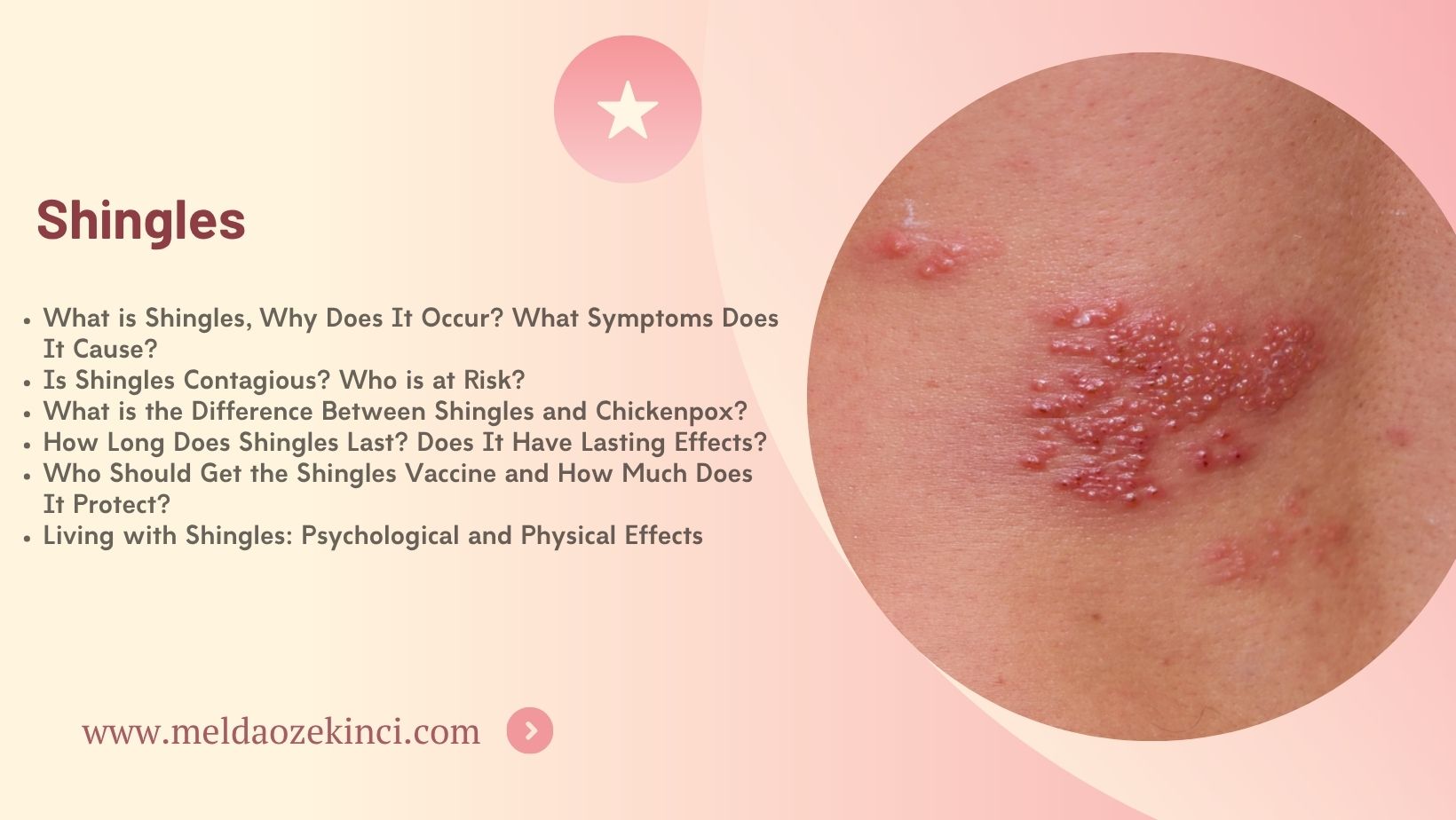

Table of Contents
- What is Shingles, Why Does It Occur? What Symptoms Does It Cause?
- Is Shingles Contagious? Who is at Risk?
- What is the Difference Between Shingles and Chickenpox?
- How Long Does Shingles Last? Does It Have Lasting Effects?
- Who Should Get the Shingles Vaccine and How Much Does It Protect?
- Living with Shingles: Psychological and Physical Effects
What is Shingles, Why Does It Occur? What Symptoms Does It Cause?
Shingles, medically known as "herpes zoster," is a viral infection caused by the reactivation of the chickenpox virus (Varicella Zoster). After the chickenpox illness usually contracted in childhood, the virus remains dormant in the body, but it can reactivate when the immune system weakens and settle in nerve endings, causing painful skin rashes.
The question why does shingles occur? is frequently asked. The main cause is the Varicella Zoster virus reactivating in the body. This usually relates to aging, stress, chronic illnesses, or immune system suppression. Especially elderly individuals and patients undergoing chemotherapy are at risk.
Symptoms of shingles are critical for understanding the disease progression. It usually starts with a burning, stinging, or tingling sensation along one side of the body, following a nerve path. Then red rashes and fluid-filled blisters appear. These rashes crust over and heal within 7 to 10 days. However, pain can sometimes last for months, known as “postherpetic neuralgia.”
The skin rashes typically appear on the chest, back, neck, or face. When located around the eyes, serious complications such as vision loss can occur. Therefore, it is important to see a dermatology specialist immediately after noticing symptoms.
Dermatologist Specialist Dr. Melda Özekinci is an expert in the diagnosis and treatment of viral skin infections like shingles. She offers personalized treatment methods based on patients' clinical findings and emphasizes the importance of early intervention. During treatment, antiviral medications, painkillers, and if necessary, corticosteroid creams may be prescribed.
Shingles is a disease that can be challenging both physically and psychologically. Early diagnosis and appropriate treatment can alleviate symptoms and minimize complications. It is especially recommended that individuals with weakened immune systems take symptoms seriously and seek professional help without delay.
Is Shingles Contagious? Who is at Risk?
Shingles is an infectious disease caused by the reactivation of the varicella-zoster virus, which also causes chickenpox. It usually appears with blistering rashes along a specific nerve on one side of the body. So, is shingles contagious and who is more at risk? These questions are among the most frequently asked about the disease.
Shingles can be transmitted through direct contact to someone who has never had chickenpox. However, an important distinction is that a person with shingles can transmit chickenpox, but shingles itself is not directly contagious. Thus, contagiousness depends on the immunity status and the type of contact. The risk of transmission increases especially when rashes are open.
Individuals with weakened immune systems, the elderly, cancer patients undergoing treatment, and organ transplant recipients are at risk. Stress, fatigue, and other chronic illnesses can also increase shingles risk. Anyone who has had chickenpox can potentially develop shingles; the virus remains dormant in nerve cells and can reactivate years later.
Dermatologist Specialist Dr. Melda Özekinci emphasizes the importance of caution, especially for immunocompromised individuals. Symptoms include burning or stinging sensations and redness before the rash appears, followed by blistering rashes. During this period, the person may feel like having the flu.
Being in the same environment as a person with shingles is generally not dangerous. However, contact, especially with open wounds or rashes, can pose a risk for those who have never had chickenpox. Therefore, personal hygiene and covering the rashes are important.
Shingles can be managed with fewer complications through early diagnosis and treatment. Thus, one should consult a specialist dermatologist immediately upon noticing symptoms. The advanced diagnostic and treatment methods applied at Dr. Melda Özekinci's clinic can positively affect the disease course.
What is the Difference Between Shingles and Chickenpox?
Shingles and chickenpox are different diseases caused by the same virus and are often confused. Both result from the Varicella-Zoster virus, but their symptoms and effects differ.
Chickenpox usually occurs in childhood and is highly contagious. It causes itchy rashes, small red spots, and blisters. The illness is mostly mild and self-resolving, though complications can rarely occur.
Shingles, on the other hand, occurs in individuals who have had chickenpox before, due to the virus reactivating in nerve cells. It is usually seen in adults and appears with severe painful rashes on one side of the body. Shingles itself is not contagious, but people with weakened immune systems can develop chickenpox from exposure.
Early intervention is crucial in shingles treatment. Dermatologist Specialist Dr. Melda Özekinci stresses that correct diagnosis and rapid treatment are key to reducing pain and complications.
Chickenpox is a common, contagious disease mostly affecting children, while shingles is a more localized, painful disease usually appearing in adults with weakened immune systems.
How Long Does Shingles Last? Does It Have Lasting Effects?
Shingles is a disease caused by the varicella-zoster virus and usually lasts between 2 to 4 weeks. However, this period can vary from person to person. Initial symptoms often include fever, fatigue, and nerve pain. Later, usually concentrated in one area of the body, redness and rashes appear. These rashes develop into small blisters that eventually dry and form crusts.
Shingles infections tend to be more severe in people with weakened immune systems. As Dermatologist Specialist Dr. Melda Özekinci points out, early diagnosis and proper treatment can reduce the duration and severity of the illness. She emphasizes the timely use of antiviral drugs, which prevent the spread of the virus and minimize nerve damage.
One of the most frequently asked questions about shingles is whether it leaves lasting effects. In some patients, especially elderly or immunocompromised individuals, long-lasting nerve pain called postherpetic neuralgia may develop. This pain can continue for weeks or even months and negatively affect quality of life. Therefore, shingles treatment should not be delayed and must be done under medical supervision.
Dr. Melda Özekinci reiterates the importance of seeing a dermatologist without delay when shingles symptoms appear. Early intervention shortens the disease duration and reduces the risk of permanent damage. Also, the shingles vaccine can reduce risk factors and prevent severe illness.
Shingles usually lasts 2-4 weeks but can leave lasting effects in some cases. Therefore, those suspecting the disease should consult dermatologists and get support from experienced specialists like Dr. Melda Özekinci.
Who Should Get the Shingles Vaccine and How Much Does It Protect?
The shingles vaccine is an important preventive health treatment especially recommended for adults over 50 years old. Dermatologist Specialist Dr. Melda Özekinci highlights that shingles can lead to serious complications in immunocompromised individuals, making vaccination critical for at-risk groups.
The shingles vaccine is suitable for everyone who has had chickenpox, because the shingles virus remains hidden in the body after chickenpox and can reactivate with age. Especially individuals over 50, those with chronic illnesses, and those with weakened immune systems should get vaccinated.
According to Dr. Melda Özekinci, the shingles vaccine reduces the severity of the disease and significantly lowers the risk of complications, especially postherpetic neuralgia. The vaccine’s protection duration generally ranges between 5 to 10 years, so booster doses may be recommended at regular intervals.
The shingles vaccine side effects are usually mild and short-lived; redness, swelling, and mild pain at the injection site may occur. Serious side effects are rare. Therefore, vaccination should be done under medical supervision and especially on the advice of specialists like Dermatologist Dr. Melda Özekinci.
Anyone wanting to reduce their risk of shingles should consider vaccination based on their health status. Early vaccination is crucial for both individual and public health.
Living with Shingles: Psychological and Physical Effects
Shingles, also known as herpes zoster, is a viral infection occurring in nerve roots. This condition often impairs quality of life with its physical effects and also brings serious psychological impacts. Dermatologist Specialist Dr. Melda Özekinci’s experience shows that patients struggle not only with the pain of the illness but also with the stress and anxiety caused by that pain.
Physically, shingles usually presents with severe burning and stinging sensations. When it causes long-term nerve damage, it may lead to chronic pain known as postherpetic neuralgia. In such cases, patients may be limited in daily activities and suffer from sleep problems. Dr. Melda Özekinci emphasizes the importance of early diagnosis and proper treatment, recommending regular check-ups to reduce physical complications.
Psychological effects are often overlooked but can seriously affect the mental health of those living with shingles. Persistent pain, social isolation, and changes in appearance can lead to anxiety and depression. Dr. Melda Özekinci states that providing not only physical but also psychological support is an integral part of the treatment process.
Shingles affects not only physical health but also mental well-being, making it a complex condition. Therefore, both physical symptoms and psychological symptoms must be addressed together with a comprehensive treatment plan. Following the recommendations of Dermatologist Specialist Dr. Melda Özekinci, early intervention and supportive approaches play a critical role in improving patients' quality of life.





