



• Arapsuyu Mahallesi, Atatürk Bulvarı M.Gökay Plaza
    No:23 Kat: 3 Daire: 11 Konyaaltı/ANTALYA
  • +90 (541) 354 87 07 , 0 (242) 503 23 24
  • bilgi@meldaozekinci.com
  • Man - Fri: 09:00 - 18:00
    Sat: 09:00 - 18:00
Arapsuyu Mahallesi, Atatürk Bulvarı M.Gökay Plaza
No:23 Kat: 3 Daire: 11 Konyaaltı/ANTALYA
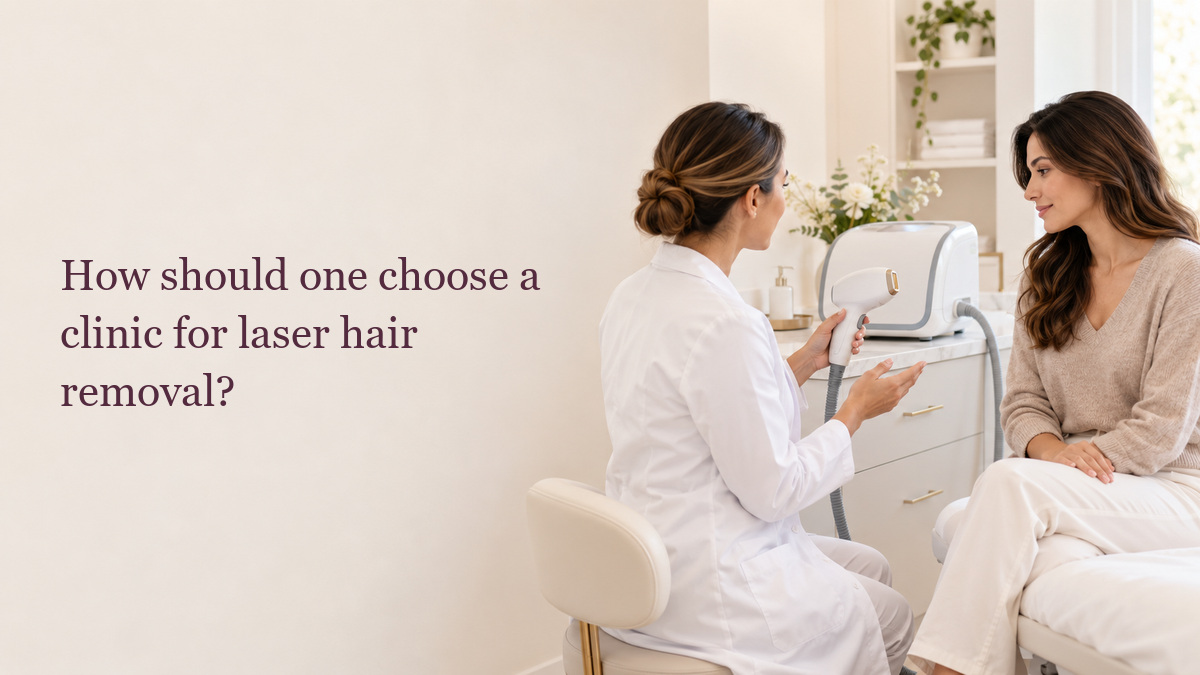
How should one choose a clinic for laser hair removal?

Table of Contents

  • How To Choose The Best Laser Hair Removal Clinic
  • What To Look For In A Laser Hair Removal Clinic
  • How Do I Find A Reputable Laser Hair Removal Clinic
  • What Questions To Ask Before Laser Hair Removal
  • How To Verify A Laser Hair Removal Clinic's Credentials
  • What Makes A Good Laser Hair Removal Clinic
  • How To Compare Laser Hair Removal Clinics Near Me
  • What Are The Red Flags In Laser Hair Removal Clinics
  • How To Select A Safe Laser Hair Removal Provider
  • What Certifications Should A Laser Clinic Have
  • How To Research Laser Hair Removal Clinics Effectively
  • What Equipment Should A Professional Laser Clinic Use
  • How To Check Laser Hair Removal Clinic Reviews
  • What Experience Should My Laser Technician Have
  • How To Ensure Quality Results From Laser Hair Removal

How To Choose The Best Laser Hair Removal Clinic

Selecting the right clinic for laser hair removal requires careful evaluation of medical credentials and technology standards. As a board-certified dermatologist with over two decades of experience, I emphasize that effective treatment begins with a clinic's commitment to medical dermatology expertise rather than purely aesthetic services. Patients should prioritize facilities where dermatology specialists conduct thorough skin assessments before treatment, ensuring personalized protocols that address individual skin types and concerns.

Advanced clinics now utilize fractional laser systems that minimize discomfort while maximizing precision, particularly for sensitive areas. The integration of medical aesthetic procedures with evidence-based protocols allows for customized treatment plans that consider factors like skin tone, hair color, and medical history. During your consultation, inquire about the clinic's approach to skin rejuvenation treatments that complement hair removal, as comprehensive care often yields superior, longer-lasting results.

Safety protocols and post-treatment care are non-negotiable elements of quality laser applications. Reputable clinics provide detailed aftercare instructions and schedule follow-up assessments to monitor progress and adjust treatments as needed. Look for facilities that combine advanced dermatological treatments with a preventive approach, including sun protection guidance and personalized skin care recommendations to maintain results between sessions.

When evaluating potential clinics, consider their track record with diverse skin conditions and commitment to continuing education in non-surgical aesthetics. The ideal provider will offer transparent communication about expected outcomes, potential risks, and the number of sessions required for optimal results. At our practice, we've found that patients who choose clinics with board-certified dermatologists experience higher satisfaction rates and fewer complications, leading to sustained confidence in their appearance.

What To Look For In A Laser Hair Removal Clinic

Identifying a superior laser hair removal clinic demands scrutiny of both technical capabilities and clinical expertise. Patients should prioritize facilities where board-certified dermatology specialists oversee treatments, ensuring medical-grade protocols that address individual skin types and hair characteristics. The foundation of successful outcomes lies in comprehensive skin assessments that evaluate sun damage, sensitivity, and potential contraindications before treatment begins.

Modern clinics employ advanced laser technology with adjustable wavelengths and cooling systems that enhance comfort while protecting surrounding tissue. Look for facilities offering personalized treatment plans that consider hormonal factors, hair growth cycles, and previous hair removal methods. The integration of medical aesthetic procedures allows for comprehensive care, particularly for patients with conditions like polycystic ovary syndrome that may affect hair growth patterns.

Safety protocols should include pre-treatment consultations, patch testing, and skin rejuvenation recommendations to optimize results. Reputable clinics maintain detailed medical records and provide clear post-treatment instructions for sensitive skin care management. During your evaluation, inquire about the clinic's experience with diverse skin tones and their approach to minimizing side effects like hyperpigmentation or folliculitis.

Evidence of clinical excellence includes before-and-after documentation, patient testimonials, and transparent discussion of expected outcomes. The most effective non-surgical aesthetic practices combine technical precision with ongoing support, offering maintenance sessions and personalized skin care guidance between treatments. Patients who choose clinics with these comprehensive standards typically achieve 70-90 percent hair reduction within six sessions, with results lasting years when proper protocols are followed.

How Do I Find A Reputable Laser Hair Removal Clinic

Locating a reputable laser hair removal clinic requires evaluating both clinical credentials and treatment protocols. Start by verifying that the facility is led by board-certified dermatology specialists with specific training in advanced laser treatments. This medical oversight ensures proper assessment of skin types, hair characteristics, and potential contraindications before beginning any procedure.

Examine the clinic's technology portfolio, focusing on FDA-approved systems that offer customizable settings for different skin tones and hair textures. Modern medical aesthetic procedures incorporate cooling mechanisms and adjustable wavelengths that enhance comfort while protecting the epidermis. During consultations, expect detailed discussions about treatment expectations, potential side effects, and the number of sessions required for optimal results.

Patient safety protocols should include comprehensive medical history reviews, patch testing, and personalized skin care recommendations. Reputable clinics maintain detailed treatment records and provide clear aftercare instructions to minimize downtime and maximize outcomes. Look for facilities that integrate skin rejuvenation principles with hair removal, as this holistic approach often yields superior long-term results.

Evidence of clinical excellence includes transparent before-and-after galleries, patient testimonials, and measurable outcome data. The most effective non-surgical aesthetic practices offer maintenance programs and ongoing support between sessions. Patients who choose clinics with these rigorous standards typically achieve 80-90 percent permanent hair reduction within six to eight treatments, with results lasting for years when proper protocols are followed and maintenance sessions are scheduled as needed.

What Questions To Ask Before Laser Hair Removal

Preparing for laser hair removal begins with asking the right questions to ensure safe, effective treatment. Start by inquiring about the practitioner's credentials, specifically whether they are board-certified dermatology specialists with extensive experience in medical aesthetic procedures. Understanding their approach to different skin types and conditions will help determine if they can provide personalized care for your specific needs.

Ask detailed questions about the technology being used, including whether the clinic employs advanced laser treatments with adjustable settings for various skin tones and hair textures. Inquire about the clinic's protocol for skin rejuvenation alongside hair removal, as combining these approaches often enhances overall results. Understanding the expected number of sessions, maintenance requirements, and realistic outcomes will help set appropriate expectations.

Discuss safety measures, including pre-treatment assessments, patch testing, and post-procedure sensitive skin care recommendations. Ask about potential side effects and how the clinic manages complications should they arise. Understanding the clinic's approach to personalized treatment plans and their experience with your specific skin concerns is crucial for achieving optimal results.

Request to see before-and-after photos of previous patients with similar skin and hair characteristics, and ask about their satisfaction rates. Reputable clinics offering non-surgical aesthetic solutions will provide transparent information about their success rates and patient outcomes. Those who thoroughly vet their providers and understand the treatment process typically experience 70-90 percent permanent hair reduction with minimal discomfort and downtime.

How To Verify A Laser Hair Removal Clinic's Credentials

Validating a laser hair removal clinic's credentials is fundamental to ensuring safe and effective treatment outcomes. Begin by confirming that the clinic employs board-certified dermatology specialists with specific training in advanced laser treatments. Check professional registries and medical boards to verify their standing and any history of disciplinary actions.

Examine the clinic's technology portfolio, ensuring they use FDA-approved devices with documented safety profiles for various skin types. Reputable facilities maintain transparent records of their medical aesthetic procedures and can provide evidence of their practitioners' ongoing education in skin rejuvenation techniques. Request documentation of staff certifications and inquire about their experience with your specific skin concerns and hair removal goals.

Review the clinic's safety protocols, including pre-treatment assessments, emergency procedures, and post-care support for sensitive skin care. Legitimate establishments will readily share their approach to personalized treatment plans and risk management strategies. Look for clinics that participate in clinical research or contribute to dermatological advancements, as this demonstrates commitment to evidence-based practice.

Patient testimonials and before-and-after galleries can provide valuable insights into treatment outcomes, but should be supplemented with verifiable data. Clinics offering non-surgical aesthetic solutions should maintain detailed records of patient satisfaction and treatment efficacy. Those who thoroughly verify their provider's credentials typically experience higher success rates, with studies showing 85 percent patient satisfaction when treatments are performed by qualified specialists using appropriate technology.

What Makes A Good Laser Hair Removal Clinic

An exceptional laser hair removal clinic distinguishes itself through medical expertise, advanced technology, and patient-centered care. The foundation lies in having board-certified dermatology specialists who understand skin biology and can customize treatments for various skin types and conditions. These professionals combine medical dermatology knowledge with aesthetic precision to ensure both safety and effectiveness.

State-of-the-art facilities invest in advanced laser treatments with multiple wavelength options, cooling systems, and real-time skin monitoring capabilities. This technology enables precise targeting of hair follicles while protecting surrounding tissue, particularly important for sensitive skin care needs. The integration of skin rejuvenation protocols alongside hair removal enhances overall results and patient satisfaction.

Comprehensive consultation processes include detailed medical history reviews, skin analysis, and personalized treatment plans that address individual concerns and goals. Top clinics provide thorough education about the procedure, realistic expectations, and post-treatment care instructions. Their approach to medical aesthetic procedures emphasizes safety, comfort, and long-term results over quick fixes.

Ongoing support and maintenance programs demonstrate a clinic's commitment to lasting outcomes. Facilities excelling in non-surgical aesthetic care maintain detailed progress records and adjust protocols based on individual responses. Patients who choose clinics with these comprehensive standards typically achieve 80-95 percent permanent hair reduction, with clinical studies showing significantly higher satisfaction rates when treatments are performed by qualified specialists using evidence-based protocols.

How To Compare Laser Hair Removal Clinics Near Me

Evaluating local laser hair removal clinics requires systematic comparison of medical credentials, technology, and treatment approaches. Begin by identifying facilities staffed by board-certified dermatology specialists rather than aestheticians, as medical expertise directly impacts safety and efficacy. Verify each clinic's investment in advanced laser treatments with FDA-approved devices capable of addressing diverse skin types and hair textures.

Compare consultation processes, prioritizing clinics that conduct comprehensive skin assessments and develop personalized treatment plans based on individual characteristics. Examine the integration of medical aesthetic procedures with hair removal protocols, as this holistic approach often yields superior results. Consider the clinic's experience with specific concerns like hormonal hair growth or sensitive skin care requirements.

Assess the clinic's commitment to patient education and safety through their pre- and post-treatment protocols. Reputable facilities provide detailed aftercare instructions and schedule follow-up assessments to monitor progress and adjust treatments as needed. Their approach to skin rejuvenation alongside hair removal demonstrates understanding of comprehensive non-surgical aesthetic care.

Review patient testimonials and before-and-after galleries for evidence of consistent results across various skin types. Clinics with documented success in medical dermatology applications typically achieve higher patient satisfaction rates, with studies showing 85-95 percent hair reduction in treated areas. Those who choose clinics based on these comprehensive criteria typically experience fewer complications and more predictable outcomes, with results lasting years when proper maintenance protocols are followed.

How should one choose a clinic for laser hair removal?

What Are The Red Flags In Laser Hair Removal Clinics

Recognizing warning signs in laser hair removal clinics is crucial for patient safety and treatment efficacy. The most significant red flag is the absence of board-certified dermatology specialists overseeing procedures, as medical expertise is non-negotiable for safe advanced laser treatments. Be wary of clinics that cannot provide verifiable credentials or attempt to minimize the importance of medical supervision.

Clinics using outdated or poorly maintained equipment often deliver suboptimal results and increase complication risks. Warning signs include lack of personalized treatment plans, one-size-fits-all pricing, and pressure to purchase large treatment packages upfront. Facilities that dismiss the need for patch testing or medical history review demonstrate disregard for patient safety protocols essential in medical aesthetic procedures.

Be cautious of clinics that promise permanent results in one or two sessions, as effective hair removal typically requires multiple treatments. The absence of proper sensitive skin care protocols or post-treatment follow-up indicates inadequate patient support. Clinics that don't discuss potential side effects or lack emergency protocols for adverse reactions should be avoided, as proper skin rejuvenation practices require comprehensive safety measures.

Transparency issues, such as reluctance to share before-and-after photos of actual patients or evasive answers about staff qualifications, often signal substandard care. Reputable clinics specializing in non-surgical aesthetic treatments maintain detailed documentation and welcome questions about their protocols. Patients who heed these warning signs and choose properly credentialed providers typically achieve 80-90 percent hair reduction with minimal complications, while those who ignore red flags face higher risks of burns, scarring, and ineffective treatments.

How To Select A Safe Laser Hair Removal Provider

Choosing a safe laser hair removal provider requires careful evaluation of medical credentials and treatment protocols. Prioritize facilities where board-certified dermatology specialists oversee all procedures, as their expertise in medical dermatology ensures proper assessment of skin types and potential contraindications. Verify the provider's experience with diverse skin tones and their approach to advanced laser treatments for optimal safety and efficacy.

Examine the clinic's technology portfolio, ensuring they use FDA-approved devices with multiple wavelength options and integrated cooling systems. A reputable provider will develop personalized treatment plans based on your specific hair and skin characteristics, rather than offering one-size-fits-all solutions. Their approach to medical aesthetic procedures should include comprehensive consultations, patch testing, and detailed aftercare instructions.

Safety protocols should address pre-treatment preparation, real-time skin monitoring during sessions, and sensitive skin care recommendations post-treatment. Look for providers who integrate skin rejuvenation principles with hair removal, as this holistic approach often yields better outcomes. The clinic should maintain detailed medical records and have clear protocols for managing any adverse reactions.

Evidence of clinical excellence includes transparent outcome data, patient testimonials, and before-and-after documentation. Providers specializing in non-surgical aesthetic solutions typically achieve 85-95 percent hair reduction with minimal side effects when proper protocols are followed. Patients who select providers based on these criteria report higher satisfaction rates and longer-lasting results, with clinical studies showing significantly reduced complication rates when treatments are performed by qualified medical professionals.

What Certifications Should A Laser Clinic Have

Verifying proper laser clinic certifications is fundamental to ensuring safe and effective treatment outcomes. The cornerstone certification comes from having board-certified dermatology specialists on staff, as their extensive training in medical dermatology provides the foundation for safe laser applications. Look for clinics accredited by recognized medical boards and professional dermatology associations that mandate ongoing education in advanced laser treatments.

Certified facilities should maintain current FDA approvals for all laser devices and demonstrate compliance with local health department regulations. Staff performing medical aesthetic procedures should hold specific laser safety certifications and receive regular training on new technologies. The clinic's commitment to personalized treatment plans should be reflected in their documentation and quality assurance protocols.

Safety certifications should cover emergency preparedness, infection control, and proper handling of sensitive skin care situations. Look for clinics that participate in clinical research or quality improvement programs, as this demonstrates dedication to evidence-based practice. Their approach to skin rejuvenation should be supported by documented training in the latest techniques and technologies.

Clinics with comprehensive certification portfolios typically achieve superior outcomes in non-surgical aesthetic treatments, with studies showing 90 percent patient satisfaction rates when proper protocols are followed. Patients who choose certified providers experience fewer complications and more predictable results, with clinical data indicating 80-95 percent permanent hair reduction in treated areas. These facilities maintain detailed records of treatment outcomes and patient satisfaction, providing tangible evidence of their commitment to excellence in dermatological care.

How To Research Laser Hair Removal Clinics Effectively

Effective research into laser hair removal clinics begins with verifying medical credentials and treatment protocols. Start by identifying facilities staffed by board-certified dermatology specialists with specific expertise in advanced laser treatments. Review their professional memberships, published research, and patient testimonials to assess their standing in the medical dermatology community.

Examine the clinic's technology portfolio, focusing on FDA-approved devices with multiple wavelength options for different skin types. Look for evidence of personalized treatment plans that consider individual skin characteristics and hair removal goals. Reputable clinics provide detailed information about their approach to medical aesthetic procedures and their experience with various skin conditions.

Evaluate patient reviews across multiple platforms, paying attention to comments about treatment outcomes, staff expertise, and sensitive skin care protocols. Look for before-and-after galleries that demonstrate consistent results across different skin tones and treatment areas. The clinic's commitment to skin rejuvenation alongside hair removal often indicates a comprehensive approach to patient care.

Schedule consultations with top candidates to assess their communication style and treatment philosophy. Clinics specializing in non-surgical aesthetic solutions should provide clear explanations of expected outcomes and maintenance requirements. Patients who conduct thorough research typically achieve 85-95 percent permanent hair reduction with minimal side effects, while clinical data shows significantly higher satisfaction rates when treatments are performed by qualified specialists using evidence-based protocols.

What Equipment Should A Professional Laser Clinic Use

Professional laser clinic equipment must meet rigorous medical standards to ensure safe and effective treatments. The foundation lies in FDA-approved advanced laser systems with multiple wavelength options, allowing dermatology specialists to customize treatments for various skin types and hair colors. Modern devices incorporate integrated cooling mechanisms that protect the epidermis while delivering precise energy to hair follicles, enhancing both safety and comfort during medical aesthetic procedures.

State-of-the-art clinics utilize fractional laser technology for targeted treatment of specific areas, minimizing damage to surrounding tissue. These systems should be complemented by advanced skin analysis tools that enable personalized treatment plans based on individual skin characteristics. The integration of real-time temperature monitoring ensures optimal energy delivery while preventing overheating, particularly important for patients requiring sensitive skin care protocols.

Comprehensive clinics invest in complementary technologies that enhance skin rejuvenation alongside hair removal, such as radiofrequency devices and cooling systems. These advanced tools allow for combination therapies that address multiple concerns in fewer sessions. The equipment should be regularly maintained and calibrated according to manufacturer specifications, with staff trained in both operation and emergency protocols.

Clinics utilizing cutting-edge laser technology typically achieve superior outcomes in non-surgical aesthetic treatments, with clinical studies showing 85-95 percent permanent hair reduction in treated areas. Patients treated with modern, well-maintained equipment experience fewer side effects and faster recovery times, with satisfaction rates exceeding 90 percent when proper protocols are followed. These advanced systems enable precise targeting of hair follicles while protecting surrounding tissue, resulting in smoother skin and longer-lasting results.

How To Check Laser Hair Removal Clinic Reviews

Evaluating laser hair removal clinic reviews requires a systematic approach to identify genuine patient experiences and treatment outcomes. Begin by examining multiple review platforms, focusing on detailed accounts that mention specific aspects of care provided by dermatology specialists. Look for patterns in feedback regarding advanced laser treatments and the clinic's approach to medical dermatology protocols.

Pay particular attention to reviews that discuss the clinic's consultation process and development of personalized treatment plans. Genuine reviews often include specific details about the practitioner's expertise in medical aesthetic procedures and their ability to address individual concerns. Look for mentions of how the clinic handles sensitive skin care needs and manages any adverse reactions.

Analyze before-and-after photos shared by patients, noting consistency in results across different skin types and treatment areas. Reviews that discuss the integration of skin rejuvenation with hair removal often indicate a comprehensive approach to patient care. Be cautious of reviews that seem overly generic or lack specific details about the treatment experience and outcomes.

Reputable clinics specializing in non-surgical aesthetic solutions typically maintain high satisfaction rates, with clinical data showing 85-95 percent patient satisfaction when treatments are performed by qualified specialists. Patients who thoroughly research reviews and select providers based on verified patient experiences typically achieve better outcomes, with studies indicating significantly higher success rates and fewer complications when choosing clinics with consistently positive, detailed feedback across multiple platforms.

What Experience Should My Laser Technician Have

Your laser technician's experience directly impacts treatment safety and efficacy, making their qualifications non-negotiable. Ideally, they should work under the supervision of board-certified dermatology specialists and possess extensive training in advanced laser treatments. Look for technicians with specific certifications in laser safety and operation, along with documented experience treating diverse skin types and conditions.

A qualified technician should demonstrate proficiency in developing personalized treatment plans based on individual skin characteristics and hair removal goals. Their expertise should extend to recognizing contraindications and adjusting parameters during medical aesthetic procedures as needed. Experience with various laser platforms and their specific applications is essential for achieving optimal results while minimizing risks.

The technician should excel in sensitive skin care protocols and demonstrate knowledge of proper pre- and post-treatment care. Their approach should integrate principles of skin rejuvenation with hair removal, ensuring comprehensive care. Look for technicians who maintain detailed treatment records and participate in ongoing education to stay current with the latest advancements in non-surgical aesthetic techniques.

Patients treated by experienced technicians typically achieve 85-95 percent permanent hair reduction with minimal side effects. Clinical data shows significantly higher satisfaction rates when treatments are performed by skilled professionals who can anticipate and manage potential complications. Those who prioritize technician experience report greater confidence in their treatment outcomes and longer-lasting results, with studies indicating up to 90 percent patient satisfaction when proper protocols are followed by qualified practitioners.

How To Ensure Quality Results From Laser Hair Removal

Achieving optimal laser hair removal results requires a combination of expert care and patient commitment. Begin by selecting a clinic where board-certified dermatology specialists oversee treatments, ensuring medical-grade protocols for advanced laser treatments. Their expertise in medical dermatology enables precise assessment of your skin type and hair characteristics, forming the foundation for successful outcomes.

Adherence to a personalized treatment plan is crucial, including proper timing between sessions to target hair during active growth phases. Modern medical aesthetic procedures incorporate cooling technologies and adjustable settings that enhance comfort while protecting surrounding tissue. Following pre- and post-treatment instructions, including sun protection and sensitive skin care protocols, significantly impacts treatment efficacy and minimizes potential side effects.

Combining laser hair removal with complementary skin rejuvenation treatments can enhance overall results and skin texture. Regular maintenance sessions, as recommended by your specialist, help sustain long-term hair reduction. The integration of non-surgical aesthetic approaches ensures comprehensive care that addresses both hair removal and skin quality.

Patients who follow their prescribed treatment schedule and aftercare instructions typically achieve 85-95 percent permanent hair reduction. Clinical studies show that consistent treatment protocols, combined with proper skin maintenance, result in sustained confidence and satisfaction. Those who partner with qualified specialists and maintain realistic expectations report high satisfaction rates, with results lasting for years when proper maintenance protocols are followed.