 English



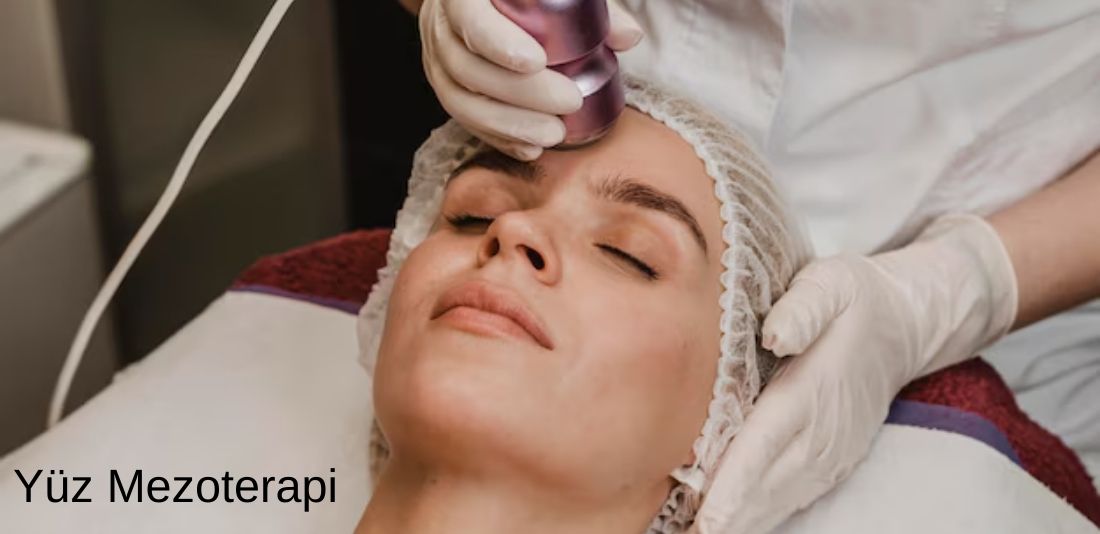
Table of Contents
- What Is Facial Mesotherapy?
- Who Is Facial Mesotherapy Suitable For?
- How Is Facial Mesotherapy Performed?
- What Are the Benefits and Limits of Facial Mesotherapy?
- What Should Be Expected After Facial Mesotherapy?
- How Does Facial Mesotherapy Differ from Other Skin Rejuvenation Procedures?
- Frequently Asked Questions
What Is Facial Mesotherapy?
Facial mesotherapy is a skin rejuvenation procedure in which small amounts of substances such as vitamins, minerals, amino acids and hyaluronic acid are injected into the skin with very fine needles. The aim is to support the skin's moisture level and overall quality and to increase the radiance of dull, tired and dry-looking skin. The content of the mixture is determined by the physician according to the person's skin type and needs.
Mesotherapy is not a treatment for wrinkles or sagging on its own; it is rather a supportive method aimed at improving skin quality. It is therefore important to keep expectations realistic and to have the procedure planned by a dermatologist.
Common components in the mixtures include hyaluronic acid, vitamins C and B, amino acids, minerals such as zinc, and antioxidants. The level of evidence is not the same for each of these; data on the effectiveness and safety of some mixtures are limited. It is therefore your right to ask the doctor for the name, content and licensing status of the product to be used.
Who Is Facial Mesotherapy Suitable For?
Facial mesotherapy is generally preferred by people whose skin looks dull, dry, dehydrated or tired, who want to support skin quality after sun and environmental effects, or who want to soften the look of fine lines. Suitability is assessed individually; saying "it is suitable for everyone" is not correct.
In some cases the procedure should be postponed or not done: pregnancy and breastfeeding, active infection or cold sores (herpes) in the treatment area, bleeding disorders or blood thinner use, known allergy to the ingredients, active autoimmune diseases and a tendency to form keloids (thick scars) are among them. A physician's examination is therefore always needed before the procedure.
Skin type also affects the plan. While moisture support comes first in dry skin, in oily and acne-prone skin injections are not done in the presence of active acne; the acne is brought under control first. In sensitive skin conditions such as rosacea, whether the procedure is suitable is evaluated separately by the dermatologist. Mesotherapy alone is not a sufficient solution for sun spots, heavy pigmentation or deep lines.
How Is Facial Mesotherapy Performed?
Before the procedure the doctor examines the skin and asks about your medications and allergies. After the skin is cleansed, a numbing cream is applied if needed. Then very small amounts of the mixture are applied to the determined areas of the face with very fine needles or a special application device. The procedure usually takes about 30-45 minutes.
The number and interval of sessions are planned individually according to the skin's condition and the goal; most often several sessions at set intervals are recommended. Results also vary from person to person, so no definite promise such as "this result in this many sessions" should be given.
When preparing for the procedure, tell your doctor about peels, retinoid use, laser or microneedling done up to a week earlier. Aspirin and blood thinner use must be mentioned because it can increase the risk of bruising. If you have a history of cold sores (herpes), this should also be discussed beforehand and precautions taken if necessary. Coming to the procedure without makeup makes cleansing the skin easier.
What Are the Benefits and Limits of Facial Mesotherapy?
With mesotherapy, the aim is for the skin to look moisturized, vibrant and smoother. Mixtures containing hyaluronic acid in particular support skin moisture and may help reduce a dull appearance. However, the effect is not permanent; it fades over time, and maintenance treatments planned by the doctor may be needed to sustain the result.
Mesotherapy does not replace botox (expression lines), fillers (volume loss) or surgical rejuvenation. Other methods may be more suitable for deep wrinkles, marked sagging or volume loss. The dermatologist determines which method suits you after the examination.
For realistic expectations, it helps to know that it is normal for the skin to feel more hydrated and vibrant after the first sessions, while the change in tissue quality becomes more evident after several sessions. Photos taken in the same light and from the same angle help track the change objectively. Because a significant part of published studies is small in scale, it cannot be said that results will be the same in everyone.
What Should Be Expected After Facial Mesotherapy?
After the procedure, redness, mild swelling, small bumps or bruising may be seen at the injection sites. These usually resolve within a few days. It is recommended to avoid makeup, sauna and steam bath, intense exercise and massage of the area for the first 24 hours, to protect against the sun in the following days, and to apply the care recommended by the doctor.
During the healing period, using a gentle cleanser, a fragrance-free moisturizer and a broad-spectrum sunscreen every day is enough. In the first days, peels, scrubs, products containing retinoids and intense active-ingredient treatments that may irritate the skin should not be used. Small scabs at the injection points should fall off on their own and not be picked.
Rarely, unwanted effects such as infection, allergic reaction or hardness (granuloma) at the injection site may develop. If there is fever, increasing pain, marked swelling, pus or spreading redness, a doctor should be consulted without delay. For safety, the procedure should be performed under sterile conditions with licensed products by an authorized physician.
How Does Facial Mesotherapy Differ from Other Skin Rejuvenation Procedures?
Facial mesotherapy works by placing product inside the skin. PRP is the application of plasma obtained from a person's own blood; dermapen (microneedling) supports renewal by stimulating the skin mechanically; a peel chemically removes the top layer of the skin. These procedures can sometimes be planned together, but each has different indications and risks.
You can ask your doctor these questions before the procedure: Which products will be used and are they licensed? What is the goal for my skin? How many sessions are recommended and at what interval? What are the possible side effects? Are there alternative methods? Getting clear and transparent answers to these questions makes it easier to make the right decision.
In the examination by Dermatologist Specialist Dr. Melda Özekinci, the skin's needs are evaluated; which procedure will be done, in what order and at what interval is determined individually.
In conclusion, facial mesotherapy is a method that can help support skin quality when applied with the right indication, the right content and by an authorized physician. However, it is not a solution to every skin problem and its effect is limited. The safest approach is to base your decision not on exaggerated promises but on examination findings and the clear information your doctor gives you.
Coming to the follow-up appointment after the procedure is important for evaluating the skin's response and planning the next session. If you encounter an unexpected situation after the procedure, do not hesitate to contact your clinic. You can consult a dermatologist to evaluate your skin's needs.
Frequently Asked Questions
Is facial mesotherapy painful?
Because the needles are very fine, most people find the procedure tolerable. Since pain threshold varies from person to person, a numbing cream is applied before the procedure if needed.
Is the effect of facial mesotherapy permanent?
No. The effect fades over time. Repeat applications at intervals planned by the doctor may be needed to maintain the result; a promise of a permanent result is not correct.
How often is facial mesotherapy done?
The frequency is determined by the doctor according to the skin's condition and the content used. Sessions may be more frequent at first and less frequent afterwards for maintenance.
At what age can it be started?
The decision depends on the skin's needs rather than age. The procedure should be planned only after a dermatologist's examination, evaluating the skin's condition and goals.
Can makeup be worn after mesotherapy?
Avoiding makeup for the first 24 hours is recommended. Afterwards, if the skin is not irritated, makeup can be worn in line with the doctor's advice.
Are facial mesotherapy and PRP the same thing?
No. In mesotherapy ready-made mixtures are applied, while in PRP plasma obtained from the person's own blood is used. The dermatologist decides which is suitable.





