 English



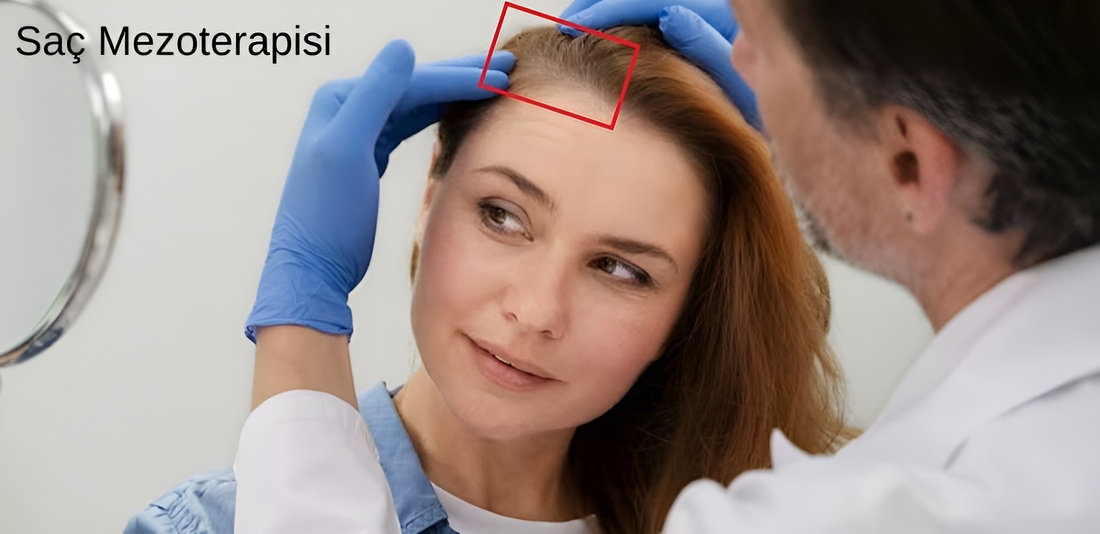
Table of Contents
- What Is Mesotherapy?
- In Which Areas Is Mesotherapy Used?
- Which Substances Are Used in Mesotherapy?
- How Is Mesotherapy Performed?
- Who Is Mesotherapy Suitable For and Who Should Not Have It?
- What Are the Possible Side Effects and Risks of Mesotherapy?
- What Results Can Be Expected from Mesotherapy?
- How Do You Choose the Right Practitioner for Mesotherapy in Antalya?
- What Should Aftercare for Mesotherapy Look Like?
- What Questions Should Be Asked of the Doctor Before Mesotherapy?
- How Does Mesotherapy Differ from Other Skin Rejuvenation Methods?
- Frequently Asked Questions
What Is Mesotherapy?
Mesotherapy is a method based on applying medications or supportive substances in very small amounts, with very fine needles, to specific layers of the skin or under the skin. The method was first used in France in the 1950s for pain treatment and over time has become widespread in dermatology and aesthetics to support skin quality, support hair loss treatment and for some regional applications.
Mesotherapy does not mean "a single procedure"; the content of the mixture, the technique and the target area vary with the treatment. It would therefore not be correct to say that procedures done under the name "mesotherapy" carry the same effect or the same risk. Before the procedure, what will be done, for what purpose and with what content must be clearly learned.
In Which Areas Is Mesotherapy Used?
In dermatology and aesthetics, mesotherapy is most often applied to the skin of the face and neck to support moisture, radiance and tissue quality. On the scalp, it is preferred in some cases to support hair loss treatment. It is also used for regional applications (for example the appearance of cellulite or fat tissue); however, the level of evidence is more limited in these areas and expectations must be realistic.
For details on facial care, the content titled "Facial Mesotherapy" gives more information, and for hair loss applications the content titled "Hair Mesotherapy" does. This article covers the general framework of mesotherapy, its safety and choosing the right practitioner.
Which Substances Are Used in Mesotherapy?
The mixtures used generally contain substances such as hyaluronic acid, vitamins C and B, amino acids, minerals and antioxidants. In some procedures, medications the doctor considers appropriate may also be part of the mixture. The content of the mixture is determined according to skin type, the goal and the person's health status.
The level of evidence is not the same for every ingredient; there are not enough large-scale studies on the effectiveness and safety of some mixtures. It is therefore important to use licensed products of known source, to learn the ingredients clearly and to be cautious about mixtures presented with phrases such as "secret formula".
How Is Mesotherapy Performed?
Before the procedure the doctor listens to your complaint, asks about your health history and medications and examines the treatment area. If considered necessary a numbing cream is applied, the area is cleansed and very small injections are made with very fine needles or an application device. The procedure time varies between about 20-45 minutes depending on the area.
The number of sessions, the interval and the need for maintenance are planned according to the person and the purpose. Promising an exact number is not correct; the response varies from person to person. Regular follow-up with the doctor during treatment is important for evaluating the result and updating the plan when needed.
Who Is Mesotherapy Suitable For and Who Should Not Have It?
People who want to support skin quality, have realistic expectations and are in generally good health may be considered. For hair loss, the cause must first be determined and basic treatments planned; mesotherapy should not be presented as a solution on its own.
Mesotherapy may not be suitable in situations such as pregnancy and breastfeeding, infection or active cold sores in the treatment area, a bleeding disorder or blood thinner use, known allergy to the content of the mixture, a tendency to keloids and uncontrolled chronic diseases. These situations must always be reported to the doctor before the procedure.
What Are the Possible Side Effects and Risks of Mesotherapy?
The most common effects are redness, mild swelling, pain, small bumps and bruising at the injection site; these usually resolve within a few days. More rarely, infection, allergic reaction, hardness or nodule (granuloma) formation at the injection site and permanent scarring may occur. This risk increases in procedures performed under unsuitable conditions.
If there is increasing pain, fever, marked swelling, pus or spreading redness after the procedure, a doctor should be consulted without delay. For safety, the procedure must be performed under sterile conditions, with single-use materials and by an authorized physician.
What Results Can Be Expected from Mesotherapy?
In facial skin, mesotherapy generally aims for skin that looks more moisturized, vibrant and smooth. The effect is temporary; repeat applications at intervals planned by the doctor may be needed to sustain it. Studies showing the effect of mesotherapy on hair loss are limited and results are not consistent; it should therefore be considered as a supportive measure together with other methods in hair loss treatment.
It is not right to expect miraculous results from mesotherapy for regional fat reduction or cellulite. Weight loss, exercise, nutrition and, when needed, other medical methods are more decisive in these areas. One should be cautious about statements that promise a definite result or claim an exact number of sessions and a permanent effect.
How Do You Choose the Right Practitioner for Mesotherapy in Antalya?
Mesotherapy is a medical procedure; it must therefore be performed by an authorized physician. Ask about the practitioner's expertise, the clinic's license, the content and license of the products used, hygiene conditions and the information given to you about possible risks. It is also important that price is not the only deciding factor and not to give in to pressure for a "discounted package".
In the examination by Dermatologist Specialist Dr. Melda Özekinci, your skin and hair complaint is evaluated; whether mesotherapy is suitable for you, and with which contents and at what frequency it can be done, is planned individually. If it is not suitable, alternative methods are recommended.
What Should Aftercare for Mesotherapy Look Like?
In the first 24 hours after the procedure it is recommended to avoid makeup, sauna, steam bath, intense exercise and massage of the treated area. The skin should be protected with a gentle cleanser and a fragrance-free moisturizer, and a broad-spectrum sunscreen should be used every day. Small scabs at the injection points should fall off on their own and not be picked.
In treatments of the scalp, dye, perm, hard brushes and intense heat should be avoided in the first days. Follow-up appointments should be attended regularly to evaluate results and notice possible side effects early.
What Questions Should Be Asked of the Doctor Before Mesotherapy?
What is the content of the mixture to be used and is it licensed? What is the intended result and is that goal realistic? How many sessions are recommended, at what interval, and is maintenance needed? What are the possible side effects and what should I do in that case? Are there alternative methods suitable for me? Getting clear answers to these questions makes it easier to make an informed decision.
Read the information form given to you before the procedure carefully and ask about anything you do not understand. A good doctor explains not only the benefits of the procedure but also its limits and risks.
How Does Mesotherapy Differ from Other Skin Rejuvenation Methods?
Mesotherapy is based on applying a mixture inside the skin. Dermapen (microneedling), on the other hand, opens superficial micro-channels in the skin to stimulate the renewal response and supports product absorption. PRP is the application of plasma obtained from a person's own blood; a peel is the chemical removal of the top layer of the skin. Laser and light-based methods target pigment, vessel or tissue renewal through different mechanisms.
Each of these methods has a different indication, risk and expected effect; sometimes they can be planned together. Which procedure will be done in what order is determined by the dermatologist according to the skin's condition and the goal. Therefore, instead of having "everything at once", a needs-based and staged plan is safer.
Frequently Asked Questions
Does mesotherapy hurt?
Because the needles are very fine, most people can tolerate the procedure. A numbing cream is used when needed. Pain threshold varies from person to person.
Is the effect of mesotherapy permanent?
Generally no. The effect fades over time; repeat applications at intervals planned by the doctor may be needed to maintain the result.
Does mesotherapy stop hair loss?
It cannot be said to stop it on its own. It can be considered as support for the basic treatments planned according to the cause of hair loss; studies on its effect are limited.
Can I return to daily life after mesotherapy?
Most people can return to daily life the same day or the next day; however, redness, swelling or bruising may last a few days. Avoiding makeup, sauna and intense exercise on the first day is recommended.
Who should perform mesotherapy?
Because mesotherapy is a medical procedure, it must be performed by an authorized physician, under sterile conditions and with licensed products.





