 English




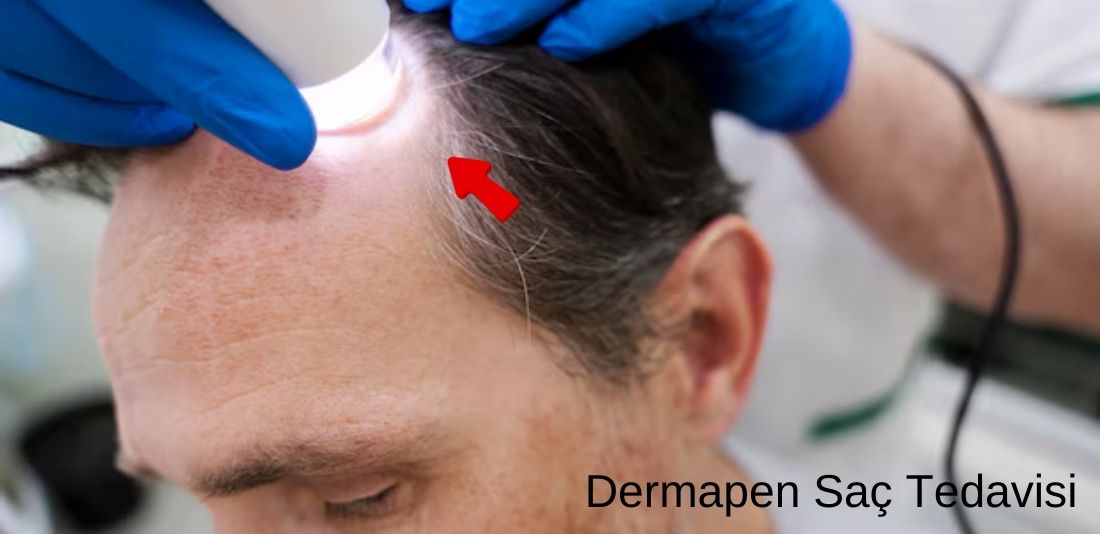
Table of Contents
- What Is Dermapen Hair Treatment?
- How Does Dermapen Work on the Scalp?
- Who Is Dermapen Hair Treatment Suitable For?
- How Is Dermapen Hair Treatment Performed?
- What Results Can Be Expected from Dermapen Hair Treatment?
- What Should Be Considered After Dermapen Hair Treatment?
- When Should a Dermatologist Be Consulted for Hair Loss?
- Frequently Asked Questions
What Is Dermapen Hair Treatment?
Dermapen hair treatment is a microneedling procedure in which controlled, superficial micro-channels are created in the scalp with very fine needle tips. The aim is to stimulate the scalp's renewal response and to help the care products used alongside it, or the treatments planned by the doctor, work better on the scalp. The procedure is considered not a stand-alone "hair-growing method" but a complementary part of hair loss treatment.
Dermapen and hair mesotherapy are often confused. Dermapen is a mechanical stimulus that creates micro-channels in the scalp; in mesotherapy, a mixture is injected directly into the skin with a needle. Although the two methods can be planned together in some patients, their indications and how they work differ. This article covers only how dermapen works, who it is suitable for and what to watch out for.
How Does Dermapen Work on the Scalp?
The micro-needles create very small controlled injuries in the scalp. This stimulates the cellular responses that start the healing process; a temporary increase in local blood flow, the release of growth factors and renewal signals in the skin tissue are described as parts of this response. The micro-channels formed may also help some products applied afterwards reach the skin more easily.
The important point is that these mechanisms do not remove the underlying cause of hair loss. For example, in hair loss due to genetic predisposition (androgenetic alopecia), the basic treatment is medication and care methods used under a doctor's supervision; dermapen is considered in addition to these treatments. Published studies report that microneedling, especially when used together with treatments such as minoxidil, may support hair count and thickness; however, most studies are small and results vary from person to person.
Who Is Dermapen Hair Treatment Suitable For?
Suitability is determined by examination. It may be considered as a supportive procedure, according to the doctor's plan, in people with early-stage hair loss due to genetic predisposition, a healthy scalp and realistic expectations. To clarify the cause of hair loss, blood tests (for example iron, ferritin, thyroid and vitamin D levels) may be requested when needed. Procedures done without this evaluation may cause the real cause to be overlooked.
The procedure should be postponed or not performed in cases such as active infection of the scalp, open wounds, active inflammatory skin disease (e.g. active seborrheic dermatitis or psoriasis), a cold sore (herpes) outbreak, pregnancy and breastfeeding, a bleeding disorder or blood thinner use, scarring hair loss and a tendency to keloids. In autoimmune hair loss such as alopecia areata, the treatment decision is made specifically by the dermatologist.
How Is Dermapen Hair Treatment Performed?
Before the procedure the doctor examines the scalp and hair structure and, if needed, performs dermoscopy (examination with magnification). After the scalp is cleansed, a numbing cream may be applied to reduce discomfort. Then the device is moved over the targeted areas of the scalp at a set depth; the depth is adjusted by the doctor according to the thickness of the area and the goal.
A session usually takes about 20-40 minutes. The number and interval of sessions are planned individually; a series of treatments at intervals of a few weeks is usually recommended, followed by maintenance if needed. Mild burning, tingling or sensitivity may be felt during the procedure; this feeling is tolerable for most people. Having a clean scalp that has not been freshly dyed on the day of the procedure increases its safety.
What Results Can Be Expected from Dermapen Hair Treatment?
Because the hair cycle is slow, results are not seen immediately. Usually a few months are needed to assess the change; during this time it is important that the scalp stays healthy and that accompanying treatments are followed regularly. The expected effect is often a slowing of hair loss and some improvement in hair quality; the complete return of lost hair follicles or a guarantee of a permanent result cannot be given.
Photo tracking and dermoscopic comparison help assess the effect of the treatment objectively. If there is no clear response after a few months, the treatment plan should be reviewed and the cause of the hair loss questioned again. Alongside the procedure, regular and balanced nutrition, adequate sleep and stress management are also factors that support hair health.
What Should Be Considered After Dermapen Hair Treatment?
After the procedure, redness, mild swelling, a burning sensation or small bleeding points may be seen on the scalp. These findings usually decrease within a day or two. In the first days it is recommended to avoid hard brushes, intensive shampooing, dye, perm and heat on the scalp; to use the gentle shampoo and care products recommended by the doctor; and to stay away from sun, pools, saunas and heavy sweating.
Rarely, infection, persistent sensitivity, scarring or an allergic reaction may develop. If there is increasing pain, purulent discharge, fever or spreading redness, a doctor should be consulted. Performing the procedure with sterile, single-use tips under an authorized doctor's supervision reduces these risks. Uncontrolled use of microneedle devices at home is not recommended because it increases the risk of infection and skin damage.
When Should a Dermatologist Be Consulted for Hair Loss?
If you notice increased daily hair loss, a receding hairline or thinning at the crown, or itching, redness, scaling or round patches of hair loss on the scalp, you should see a dermatologist. Hair loss can also be caused by childbirth, febrile illness, severe stress, iron and vitamin deficiencies, thyroid diseases, some medications and hormonal causes. Procedures done without a correct diagnosis may waste time.
In the examination by Dermatologist Specialist Dr. Melda Özekinci the type of hair loss is determined; procedures such as dermapen are planned only in suitable cases and together with other treatments. If you live in or are applying for treatment in Antalya, being able to attend regular follow-up appointments for session tracking is also taken into account in the treatment plan.
Correct habits in hair care also affect the success of treatment. Tying the hair too tightly, frequent heat styling, aggressive chemical treatments and harsh brushes can increase hair breakage. The frequency of washing should be adjusted to the scalp type, and a suitable shampoo should be chosen if there is dandruff or oiliness. Smoking, irregular nutrition and insufficient sleep can also negatively affect the hair cycle; lifestyle adjustments should therefore be treated as a complementary part of the treatment plan.
Before starting treatment, talking openly with the doctor about what you aim for, learning the limits and possible risks of the procedure, and getting written information are important both for managing expectations and for satisfaction.
Frequently Asked Questions
Is dermapen hair treatment painful?
Tingling, mild burning or sensitivity may be felt during the procedure. A numbing cream is used when needed, so most people can tolerate it.
Are dermapen and hair mesotherapy the same thing?
No. Dermapen is a mechanical stimulus that opens controlled channels with micro-needles. In mesotherapy, a mixture is injected into the skin with a needle. The two can sometimes be planned together.
Does dermapen hair treatment completely stop hair loss?
No. It may support other treatments planned according to the cause of hair loss, but it cannot be said that it completely stops hair loss or gives a permanent result on its own.
Can the hair be washed after dermapen hair treatment?
Usually it can be washed with the gentle shampoo recommended by the doctor after the first 24-48 hours. For exact timing, follow the advice of the doctor who performed the procedure.
Who should not have dermapen hair treatment?
People with an active scalp infection, open wounds or active inflammatory skin disease, pregnant women, those with bleeding disorders and those prone to keloids must consult their doctor before the procedure.
When are the results of dermapen hair treatment seen?
Because the hair cycle is slow, the change can usually be assessed within a few months. Results vary according to the person, the cause of hair loss and the accompanying treatments.





